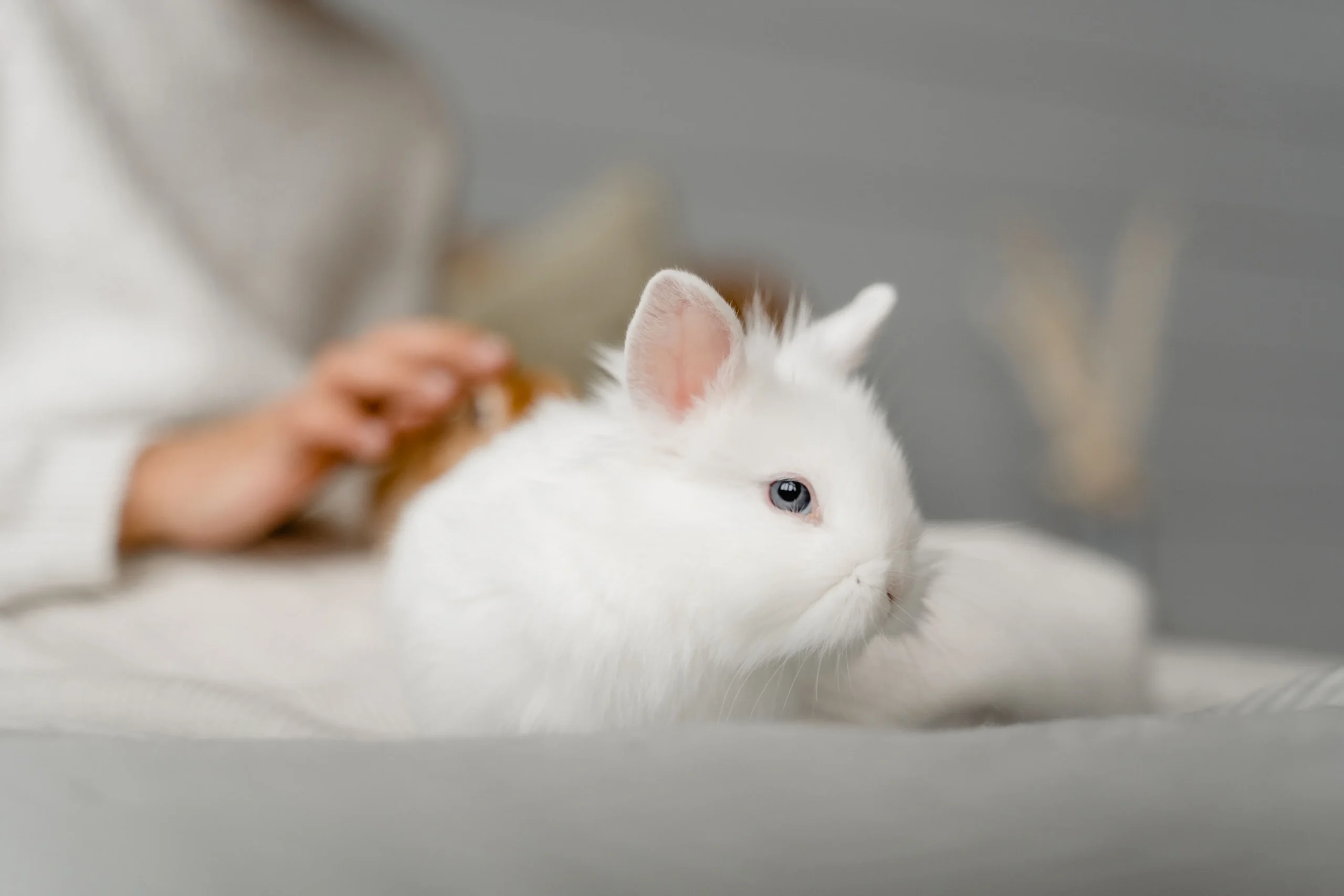
Bunnies as pets are friendly, quiet house rabbits kept for companionship. They need daily care, a safe indoor space, fresh hay, and regular vet checkups. Bunnies bond closely with their owners. They make great pets for calm homes, but they need more care than most people expect.
Key Takeaways
- Bunnies as pets need daily feeding, cleaning, and playtime, not just a cage.
- A healthy diet is mostly hay, with small amounts of veggies and pellets.
- Indoor bunnies do best. They need a safe, bunny-proofed space.
- Startup costs run $200–$500. Monthly care can cost $30–$60.
- Bunnies can live 8–12 years. They are a long-term commitment.
- Always ask a vet before giving any new food or medicine.
Introduction
More families want bunnies as pets every year. Rabbits are quiet. They are soft. They don’t need daily walks like dogs.
But bunnies are not “starter pets.” They need real care. Many new owners don’t know this until it’s too late.
This guide covers everything you need to know. You’ll learn about rabbit breeds, daily care, and true costs. You’ll also learn common mistakes to avoid.
By the end, you’ll know if a pet rabbit fits your home. You’ll also know how to keep one happy and healthy for years.
What Are Bunnies as Pets?
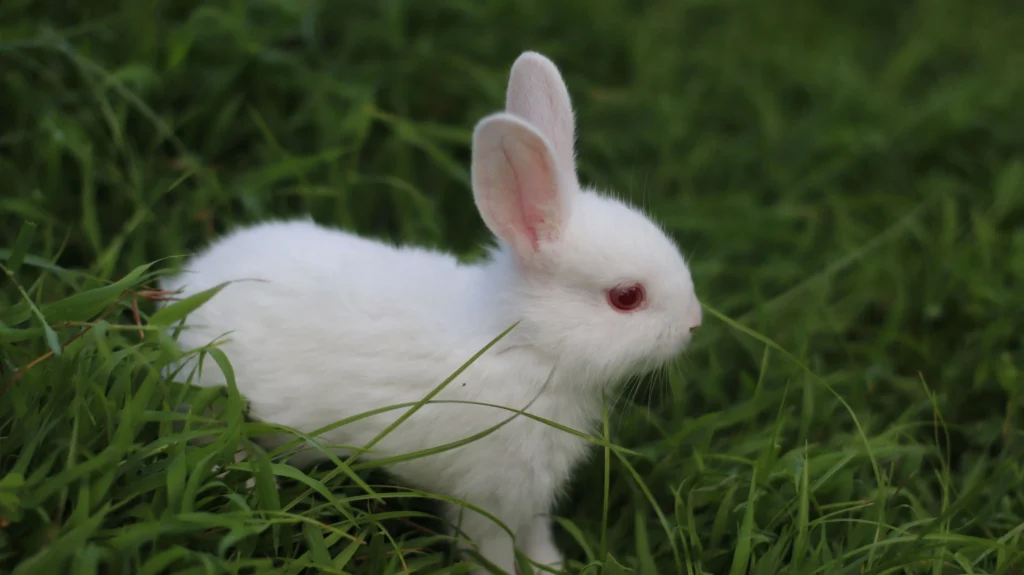
Pet bunnies are domestic rabbits raised for companionship. They live indoors or in safe outdoor hutches. They are social, curious, and often litter-trainable.
A pet rabbit is not the same as a wild rabbit. Domestic rabbits come from one species: Oryctolagus cuniculus. Breeders shaped this species into many sizes and colors over hundreds of years.
Pet rabbits show real personality. Some are cuddly. Some are independent. Many bond deeply with one person or family.
Common House Rabbit Traits
House rabbits often like routine. They enjoy quiet spaces. Loud noises can stress them out.
Rabbits also chew a lot. This is normal. Their teeth never stop growing.
Quick Facts Box
| Fact | Details |
| Scientific Name | Oryctolagus cuniculus |
| Average Lifespan | 8–12 years |
| Adult Weight Range | 2–20+ lbs, depending on breed |
| Diet | Hay, leafy greens, small amount of pellets |
| Best Living Setup | Indoors, bunny-proofed space |
| Activity Level | Moderate to high |
| Good for Beginners? | Yes, with research and commitment |
| Social Needs | High; enjoys company or a bonded pair |
Where Does the Idea of Keeping Rabbits as Pets Come From?
People have kept rabbits for centuries, first for meat and fur, later as companions. Pet rabbit-keeping grew popular in Europe in the 1800s. It later spread worldwide.
Early breeders raised rabbits mostly for farming. Over time, hobbyists began raising them just for their looks and temperament. This led to today’s many pet breeds.
This history can vary depending on the source and region, so exact dates are hard to confirm.
History and Evolution of the House Rabbit
Rabbits moved indoors as house pets more recently. This shift grew in the late 1900s.
Groups like the House Rabbit Society helped spread the idea. They taught owners that rabbits can live indoors, use litter boxes, and act like true companion animals.
Today, indoor rabbit care is the standard advice from most vets and rescues.
Key Characteristics and Care Needs
Pet rabbits need daily attention. They are not “low-maintenance” pets, even though many people think this at first.
Temperament
Most rabbits are gentle. Some are shy at first. Trust builds slowly, through calm handling and treats.
Rabbits show affection in quiet ways. They may nudge you. They may flop down near you when relaxed.
Space Needs
Rabbits need room to hop and stretch fully. A cage alone is not enough space.
Most experts recommend a large pen or a bunny-proofed room. The pen should connect to daily exercise time outside it.
Grooming
Short-haired breeds need weekly brushing. Long-haired breeds, like Angoras, need daily brushing.
Rabbits also shed heavily a few times a year. Extra brushing helps during these times.
Quick Comparison Snapshot
| Breed | Best For | Key Difference |
| Holland Lop | Beginners, families | Small size, floppy ears, calm nature |
| Netherland Dwarf | Small apartments | Very small, high energy |
| Mini Rex | First-time owners | Soft velvet-like fur |
| Flemish Giant | Experienced owners | Very large size, needs more space |
Types of Bunny Rabbits as Pets
Many rabbit breeds work well as pets. Each breed has its own size, coat, and personality traits.
Popular pet breeds include:
- Holland Lop – small, floppy ears, friendly nature
- Netherland Dwarf – tiny size, energetic
- Mini Rex – soft fur, calm temperament
- Lionhead – fluffy mane around the face
- English Angora – long wool coat, needs heavy grooming
- Dutch Rabbit – classic two-tone coat, easygoing
Mixed-breed rabbits also make wonderful pets. Many shelters and rescues have mixed-breed bunnies ready for adoption.
Sea Bunnies as Pets – A Quick Clarification
Sea bunnies are not rabbits at all. This name refers to a small sea slug, called Jorunna parva. It got the nickname “sea bunny” because of its fuzzy, bunny-like look.
Sea bunnies live in the ocean. They are not kept as household pets. They need specific marine conditions that most home aquariums can’t provide.
If you searched for “sea bunnies” hoping for a fuzzy ocean pet, this article focuses on real pet rabbits instead. The rest of this guide covers land-based bunnies as pets, not sea creatures.

Big Bunnies as Pets
Some rabbit breeds grow very large. These giant breeds can make wonderful pets too, but they need extra space and care.
The Flemish Giant is the most famous large breed. Adults can weigh over 15 pounds. Some reach over 20 pounds.
Big bunnies need larger cages, stronger fencing, and more food. They also tend to be gentle and calm, despite their size. Many owners describe them as “gentle giants.”
Large-breed rabbits may cost more to feed and house than smaller breeds. This is worth planning for before adoption.
Daily Care Routine and How to Get Started
Starting with a pet rabbit takes some planning. A little prep work makes the first weeks much smoother.
Setting Up the Space
Choose a quiet room or a large pen. Add a litter box, food bowl, water bottle or bowl, and hiding spot.
Remove any wires, toxic plants, or chewable furniture nearby. Rabbits chew almost everything they can reach.
Daily Tasks
A simple daily routine keeps rabbits healthy and happy:
- Refresh hay and water in the morning.
- Offer fresh leafy greens once a day.
- Clean the litter box daily.
- Give at least 3 hours of supervised exercise time outside the pen.
- Spend time bonding through petting or quiet play.
Diet Basics
A rabbit’s diet should be mostly hay. Hay should make up most of their daily food.
Add a small handful of fresh vegetables daily. Give a small amount of rabbit pellets too.
Always ask your vet before adding new foods. Some plants and vegetables are unsafe for rabbits.
Cost Breakdown
New owners often underestimate rabbit costs. Planning ahead helps avoid surprises.
Starting Costs
- Adoption or purchase fee: $20–$100
- Cage or pen setup: $80–$200
- Litter box, bowls, and toys: $30–$60
- Initial vet visit: $50–$150
Ongoing Monthly Costs
- Hay and food: $20–$40
- Litter supplies: $10–$15
- Toys and enrichment: $5–$15
- Vet care (averaged over the year): varies by rabbit and location
These numbers can vary depending on your location and the rabbit’s needs. Check with local pet stores and vets for current pricing.
Common Mistakes Pet Owners Make
Many new rabbit owners make the same few mistakes. Learning these early can save your bunny from stress or harm.
- Feeding too many pellets. Hay should always come first.
- Keeping rabbits in small cages full-time. They need daily exercise space.
- Skipping vet checkups. Rabbits hide illness well, so checkups matter.
- Handling them roughly. Rabbits have fragile spines and can get hurt if held wrong.
- Assuming rabbits are “easy” pets. They need daily hands-on care.
Bunnies as Pets – Pros and Cons
Every pet has tradeoffs. Bunnies as pets fit some homes better than others.
| Pros | Cons |
| Quiet, good for apartments | Needs daily cleaning and feeding |
| Litter-trainable | Chews furniture and cords if unsupervised |
| Long lifespan (8–12 years) | Long-term commitment |
| Soft, gentle companions | Fragile; needs careful handling |
| Low noise level | Vet care can be costly and harder to find |
Similar Breeds and Alternatives to Consider
If a full-size house rabbit doesn’t fit your home, a few related options may work better.
| Option | Best For |
| Guinea Pig | Owners wanting a smaller, social small pet |
| Dwarf Hamster | Small spaces, lower daily time commitment |
| Chinchilla | Owners who enjoy nighttime-active pets |
| Mini or Dwarf Rabbit Breeds | Smaller living spaces, first-time rabbit owners |
When to Consult a Vet or Professional
Rabbits hide pain and illness very well. This makes vet visits extra important.
See a vet right away if your rabbit stops eating for more than 12 hours. This can signal a serious problem.
Also call a vet if you notice unusual droppings, teeth grinding, discharge from the eyes or nose, or sudden changes in behavior. Rabbits need a vet who specializes in exotic or small animal care, not just any general vet.
Never give human medicine to a rabbit. Always ask a licensed vet before starting any treatment.
Fun Facts About Pet Rabbits
- Rabbits can jump over 3 feet high from a standing position.
- A group of rabbits is called a “colony” or “herd.”
- Rabbits can turn their ears almost 270 degrees to hear sounds.
- Their teeth grow continuously throughout their whole life.
- Rabbits show happiness through a hop-twist move called a “binky.”
- A rabbit’s whiskers help it judge tight spaces.
- Rabbits are crepuscular, meaning they’re most active at dawn and dusk.
Frequently Asked Questions
How long do bunnies live as pets?
Pet rabbits typically live 8 to 12 years. Some live longer with great care. Indoor rabbits tend to live longer than outdoor rabbits. This is because indoor life protects them from weather, predators, and disease. A good diet and regular vet checkups also help rabbits live longer, healthier lives.
Are bunnies good house pets?
Yes, bunnies can be excellent house pets for the right owner. They are quiet and can learn to use a litter box. However, they need daily care, a bunny-proofed space, and gentle handling. Bunnies do best in calm homes without loud noise or rough play. They are not the best fit for very young children without adult supervision.
What is the 3-3-3 rule for rabbits?
The 3-3-3 rule is a general guide some rabbit owners use for new pets. It suggests a rabbit may take about 3 days to decompress, 3 weeks to start settling in, and 3 months to feel fully at home. This can vary a lot between individual rabbits. Some bond faster, and some take longer. Patience during this settling period really helps build trust.
Can rabbits stay in AC?
Yes, air conditioning is actually helpful for rabbits. Rabbits handle heat poorly and can overheat easily. A cool indoor space, ideally kept below 77°F, helps prevent heat stress. Avoid placing rabbits directly in a cold air stream, though. A steady, moderate room temperature works best. Always give rabbits fresh water and shade if any time is spent outdoors.
Do rabbits like to be cuddled?
Some rabbits enjoy cuddling, but many prefer being near you rather than held. Rabbits often like sitting beside their owner or getting head scratches. Being picked up can feel scary to them, since they’re prey animals. Let your rabbit come to you when possible. Over time, most bunnies build trust and show more affection on their own terms.
Final Thoughts
Bunnies as pets can bring years of quiet companionship to the right home. They take real daily effort, though. Feeding, cleaning, and bonding time all matter.
Before bringing one home, think honestly about your schedule and space. A happy rabbit needs room to hop, fresh hay daily, and gentle care.
With the right setup, a pet rabbit can become a loving, long-term member of your family.

Olivia Bennett is a pet care writer and animal wellness researcher who has spent more than 8 years creating practical content for pet owners. Her work focuses on dog and cat care, pet nutrition, training, grooming, behavior, and preventive health.
At Pet Wise Worlds (https://petwiseworlds.com/), Olivia researches trusted sources and transforms expert knowledge into easy-to-follow guides that help pet owners give their companions healthier and happier lives.