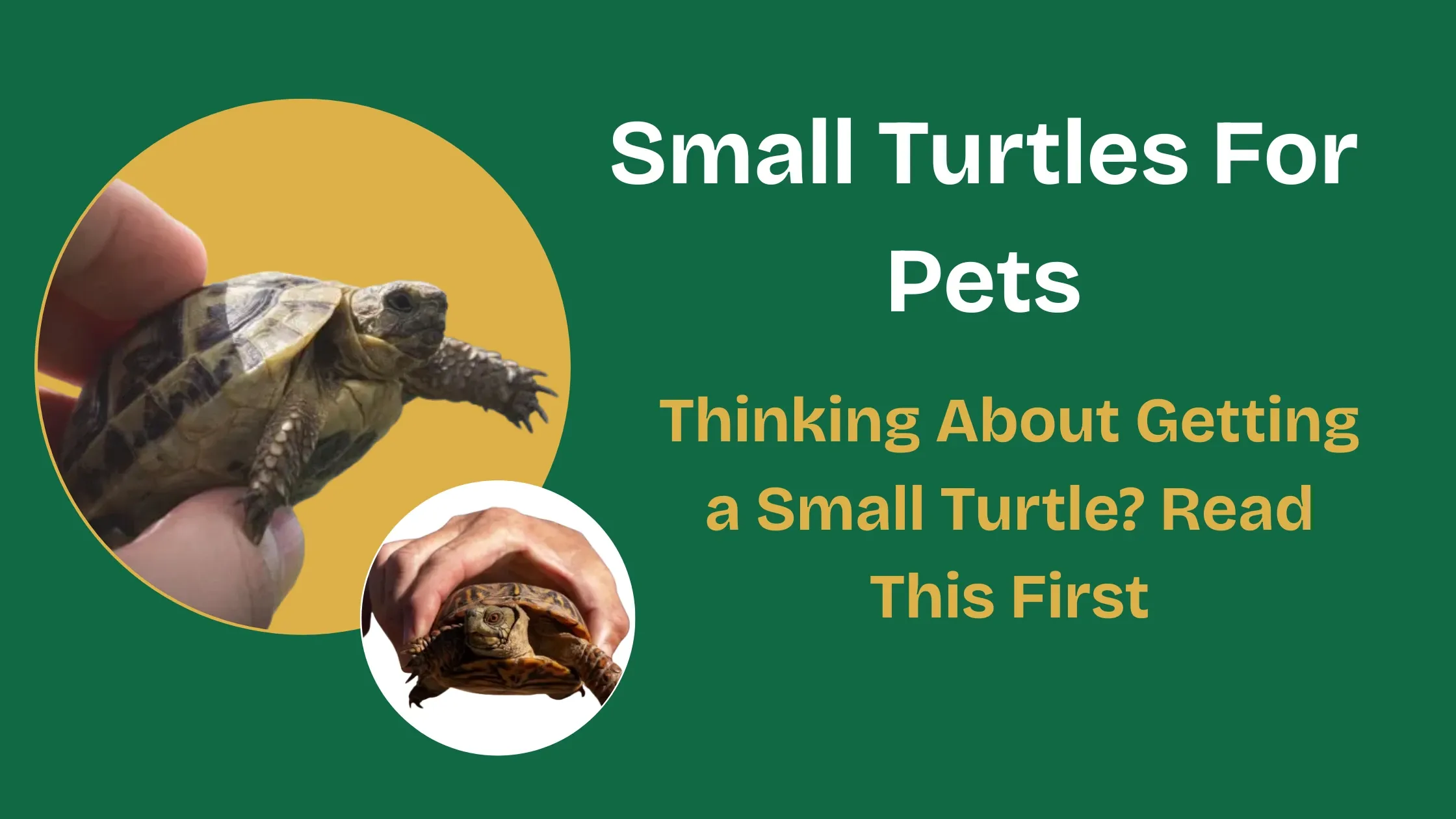
Small turtles for pets are compact turtle species kept in home aquariums or tanks. They need clean water, a basking spot, UVB light, and a steady diet of pellets, veggies, and protein. Small turtles can live for decades, making them calm, low-noise pets for owners ready for real daily care.
Key Takeaways
- A full aquatic setup is needed, not just a small bowl.
- Their diet needs pellets, leafy greens, and some protein — with more protein for hatchlings and juveniles.
- UVB light and a basking spot are must-haves, not extras.
- Startup costs run $150–$450. Monthly care can cost $20–$45, plus yearly vet costs.
- Many pet turtles live 20–40 years. This is a long commitment.
- New turtles should be quarantined before joining any existing tank.
- Always wash your hands — and never in the kitchen sink — after handling a pet turtle.
Introduction
Small turtles for pets are growing more popular with first-time reptile owners. They seem simple at first — a tank, some water, and a turtle, right?
The truth is a bit more involved. Turtles need steady care every single day, the right setup from day one, and different care depending on their age, species, and even the season. This guide covers everything about small pet turtles: types, tank setup, diet, hatchling care, quarantine, seasonal behavior, legal sourcing, and true costs — so you know exactly what you’re signing up for before bringing one home.
What Are Small Turtles for Pets?
Small pet turtles are compact turtle species that stay a manageable size as adults. Most fit well in home aquariums and are aquatic or semi-aquatic reptiles.
Popular small turtle species include musk turtles, mud turtles, painted turtles, Reeves turtles, and some slider varieties. Each species has its own care needs — small doesn’t mean low effort. These turtles still need proper heating, filtration, and lighting; their small size just means less tank space overall.
Turtles vs. Tortoises
Turtles and tortoises are not the same animal. Most turtles are aquatic or semi-aquatic, while tortoises live fully on land. This guide focuses on turtles kept in water-based setups; tortoise care needs are different and are not covered here.
Quick Facts Box
| Fact | Details |
|---|---|
| Common Small Species | Musk turtle, mud turtle, painted turtle, Reeves turtle |
| Average Lifespan | 20–40 years, depending on species |
| Adult Size Range | 3–7 inches for most small species |
| Diet | Pellets, leafy greens, occasional protein |
| Tank Size | 20–40 gallons for one adult turtle |
| Water Type | Fresh water, filtered and heated |
| Good for Beginners? | Yes, with proper research and setup |
| Handling Level | Low; turtles prefer minimal handling |
| Where to Buy | Reputable breeders, rescues, or licensed pet stores only |
Where Does the Idea of Keeping Turtles as Pets Come From?
People have kept turtles as pets for a very long time. Interest grew a lot in the mid-1900s in the United States, and pet turtles became common in pet stores during that time.
Later, health concerns about salmonella led to new rules. Many places now restrict selling very small turtles, often under 4 inches. This helps protect both turtles and owners. This history can vary by country and state, so it’s best to check local laws before buying a turtle.
Choosing Where to Get Your Turtle
Where a turtle comes from matters as much as which species you pick.
- Reputable breeders are usually the safest choice — they can tell you the turtle’s exact age, health history, and care needs.
- Rescues and rehoming groups often have adult turtles needing new homes; these turtles are typically already past the fragile hatchling stage.
- Licensed pet stores can be fine, but ask where their turtles come from and confirm they meet local size and sale regulations.
- Avoid wild-caught turtles. Taking a turtle from a pond or roadside removes it from a wild population, may be illegal in your area, and the turtle may carry parasites or diseases that put other pets at risk.
Key Characteristics and Care Needs
Small turtles need a full aquatic setup to stay healthy. Good care starts with the right habitat basics.
Temperament
Most small turtles are shy and may hide when startled. Over time, many turtles learn to recognize their owner at feeding time. Turtles are not cuddly pets — they usually don’t enjoy being held often, and frequent handling can stress them.
Tank Setup Basics
A turtle tank needs both water and a dry basking area. The basking spot lets turtles dry off and warm up. Filtration matters a lot, since turtles create a lot of waste — a strong filter keeps the water clean between changes, and filter media should be rinsed or replaced roughly every 2–4 weeks depending on tank load.
Substrate and decor: Many owners keep a bare-bottom tank for easier cleaning, since turtles are messy eaters. If you do add substrate, use large, turtle-safe river rocks too big to swallow, or a smooth sand substrate — avoid small gravel, which turtles can accidentally ingest. Add a few hiding spots, driftwood, or turtle-safe live/artificial plants so your turtle has places to retreat and feel secure.
Lighting Needs
Turtles need UVB light to process calcium properly. Without it, turtles can develop serious shell and bone problems (metabolic bone disease). A basking lamp also helps turtles regulate their body temperature — most small turtles like a basking spot around 85–95°F, with water temperature kept around 75–80°F. UVB bulbs lose effectiveness over time even if they still light up, so replace them roughly every 6–12 months per the manufacturer’s guidance.
Quick Comparison Snapshot
| Turtle | Adult Size | Best For | Key Difference |
|---|---|---|---|
| Musk Turtle | 3–5 in | Small tanks, beginners | Very small size, low swimming needs, bottom-walker rather than strong swimmer |
| Mud Turtle | 3–5 in | Low-maintenance owners | Hardy, tolerates varied water conditions |
| Painted Turtle | 4–7 in (females larger) | Owners wanting bright colors | Needs a larger tank as it grows; strong swimmer, needs more open water |
| Reeves Turtle | 4–5 in | Beginners wanting calm turtles | Small, semi-aquatic, easygoing, appreciates a shallower tank with more basking area |
Species-Specific Notes
Musk Turtle: Stays around 3–5 inches. Doesn’t need deep water or strong swimming space — water depth just slightly deeper than its shell length is fine. Can be housed in a smaller footprint tank (20 gallons) than most other species.
Mud Turtle: Similar size to musk turtles. Tolerant of a wider water quality range, making it forgiving for beginners, though this isn’t an excuse to skip regular testing.
Painted Turtle: Grows larger than musk or mud turtles (females especially) and is a much stronger swimmer, so it needs deeper water and a bigger tank — often 40+ gallons by adulthood. Best for owners willing to upgrade tank size over time.
Reeves Turtle: Semi-aquatic and prefers shallower water with a larger basking area than fully aquatic species. Known for a calm, easygoing temperament, making it a good beginner choice.
Hatchling and Juvenile Turtle Care
Baby turtles are not just small versions of adults — they have different needs:
- Diet: Hatchlings need a higher proportion of protein than adults, since they’re growing quickly. Gradually shift the diet toward more plant matter as they mature.
- Tank size: Start hatchlings in a smaller, easier-to-monitor tank (around 10–15 gallons) rather than a large adult-sized tank, where food and waste are harder to track and the turtle can struggle to find basking spots.
- Water depth: Keep water shallower for hatchlings — deep water can tire out a young turtle that isn’t a strong swimmer yet.
- Fragility: Hatchlings are more vulnerable to temperature swings and poor water quality than adults, so extra consistency in heating and cleaning matters during this stage.
- Growth monitoring: Weigh or measure young turtles periodically to confirm steady growth; stalled growth can signal a diet or husbandry problem.
Best Pet Turtles for Beginners
The best pet turtles for beginners are hardy, small, and easy to feed. Musk turtles, mud turtles, and Reeves turtles top most beginner lists. These species tolerate small setup mistakes better than more sensitive species and eat a simple, varied diet.
Painted turtles work well for beginners too, though they grow larger over time and need more swimming space. Research each species fully before choosing one.
Traits Beginner-Friendly Turtles Share
- Small adult size, usually under 7 inches
- Hardy tolerance for minor water changes
- Simple, varied diet needs
- Calm temperament around routine care
Smallest Pet Turtle Options
The musk turtle is often called one of the smallest pet turtle choices available, with adults often staying around 3 to 5 inches long. Mud turtles also stay quite small, often close in size to musk turtles. Both species fit well in smaller home tanks.
Always check that any turtle you buy meets legal size rules in your area — many places restrict turtles under 4 inches for sale due to health rules.
What Do Pet Turtles Eat?
Pet turtles eat a mix of commercial pellets, fresh vegetables, and some protein. A varied diet supports strong shell and bone health.
Most turtles do well on a diet built around a quality turtle pellet — look for pellets made specifically for aquatic turtles, formulated for your turtle’s age (juvenile vs. adult formulas differ in protein content). Add leafy greens like romaine or dark leafy vegetables a few times a week.
Protein sources can include feeder fish, turtle-safe insects, or occasional cooked lean protein. Younger turtles usually need more protein than adult turtles, whose diet should shift toward more vegetation.
Avoid feeding turtles food made for other pets, like dog or cat food, since it lacks the nutrients turtles need.
Pet Water Turtles: What Makes Them Different
Pet water turtles spend most of their time swimming in a water-based tank setup, setting them apart from land tortoises. Water turtles need strong filtration and regular water testing, since ammonia and nitrate levels can build up fast in a turtle tank.
A basking dock is still required, even for highly aquatic turtle species — turtles need dry time daily to stay healthy.
Can You Keep More Than One Turtle Together?
It’s possible, but it takes planning:
- Same species only, and ideally similar size, to avoid one turtle out-competing or injuring another.
- More space per turtle, not the same tank size — each additional turtle needs its own significant swimming and basking room, not a shared corner.
- Multiple basking spots so turtles don’t have to compete for heat and light.
- Watch for aggression, especially around feeding time; some turtles are territorial and do better housed alone.
If you’re unsure, housing turtles separately is the safer default, especially for beginners.
Quarantine for New Turtles
Any new turtle — even from a reputable source — should be quarantined before it meets other turtles in your home. Keep the new turtle in a separate tank, with separate equipment (net, siphon, etc.), for at least 30–90 days. Watch for signs of illness such as poor appetite, unusual lethargy, or shell/skin issues. This protects your existing turtles from parasites or infections the new arrival might be carrying without obvious symptoms.
Brumation: Winter Slowdown
Many small turtle species naturally slow down in cooler months, a process called brumation (similar to hibernation). A turtle in brumation may eat less, move less, and spend more time resting — this is often normal, not a sign of illness, especially if temperatures have dropped.
That said, indoor pet turtles with stable, heated tanks often don’t need to brumate at all, and unplanned or poorly managed brumation can be risky. If you notice a sudden drop in activity or appetite, first check your tank’s heating and lighting are working correctly, and consult an exotic vet before assuming it’s just seasonal behavior — especially for young or unwell turtles, which should not be allowed to brumate.
Sexing and Breeding Basics
Most small pet turtle species can be sexed once they reach a certain size or maturity, typically by differences in tail length and thickness (males often have longer, thicker tails) and, in some species, claw length. Sexing is usually unreliable in hatchlings and becomes clearer with age.
Breeding pet turtles at home is a significant undertaking — it requires specific conditions for nesting, egg incubation, and caring for hatchlings, and isn’t something to attempt casually. If you’re not planning to breed, this mainly matters for understanding your turtle’s adult size and behavior, since males and females of some species (like painted turtles) grow to different sizes.
Daily Care Routine and How to Get Started
Starting with a pet turtle takes some setup time before bringing one home. A full tank should run for a few days before adding a turtle.
Setting Up the Tank
Choose a tank with room to grow into. Add a filter, heater, basking dock, and UVB light before the turtle arrives. Test the water before adding your turtle — ammonia and pH levels should sit in a safe range.
Daily Tasks
- Check water temperature and clarity each morning.
- Feed your turtle once a day, or as your vet suggests.
- Remove uneaten food within 15–20 minutes.
- Check the basking light and heater are working.
- Watch for normal swimming, eating, and basking behavior.
Weekly Tasks
- Test water quality with an aquarium test kit.
- Do a partial water change, roughly 20–30%.
- Wipe down the basking dock and tank glass.
- Rinse filter media if needed (avoid tap water, which can kill beneficial bacteria — use removed tank water instead).
Caring for Your Turtle While You Travel
Turtles can generally go a day or two without feeding if needed, but their equipment still needs to run reliably while you’re away:
- Have a trusted person check the tank daily for short trips, mainly to confirm the filter and heater are working.
- For longer trips, arrange for someone to feed on your normal schedule and do a partial water change if you’ll be gone more than a week.
- Avoid using automatic feeders as a full substitute for a sitter — overfeeding from a malfunctioning feeder can quickly foul the water.
- Never assume a turtle can be left completely unattended for more than a couple of days.
Cost Breakdown
New turtle owners often underestimate setup costs. Planning ahead avoids surprise expenses.
Starting Costs
- Turtle (from a reputable source): $20–$100
- Tank and stand: $80–$200
- Filter and heater: $40–$100
- UVB and basking light: $30–$60
- Substrate/decor/hides: $10–$30
- Initial vet checkup: $50–$100
Ongoing Costs
- Food and pellets: $10–$20/month
- Electricity for heat and lights: varies by location
- Water test kits and supplies: $5–$10/month
- UVB bulb replacement: roughly $15–$30 every 6–12 months
- Routine vet checkups: roughly $50–$150/year, more if health issues arise
These numbers can vary depending on your area and setup choices. Check with local pet stores and exotic vets for current pricing.
Common Mistakes Pet Owners Make
- Skipping UVB light. This can cause serious shell problems over time.
- Using a tank that’s too small. Turtles need real swimming space, and this need grows as they age.
- Overfeeding. Extra food pollutes the water fast.
- Ignoring water testing. Poor water quality causes many turtle illnesses.
- Handling turtles too often. Most turtles prefer minimal handling.
- Skipping quarantine. Introducing a new turtle straight into an existing tank risks spreading illness.
- Mismatched tank mates. Housing different species or very different sizes together often leads to stress or injury.
- Forcing brumation. Letting an unwell or young turtle “hibernate” without proper guidance can be dangerous.
Pros and Cons of Small Pet Turtles
| Pros | Cons |
|---|---|
| Quiet, no barking or noise | Long lifespan of 20+ years is a major commitment |
| Doesn’t need daily walks | Tank setup can be costly upfront |
| Calm, low-drama pet | Needs consistent water maintenance |
| Fascinating to watch | Not a cuddly, hands-on pet |
| Can live a very long time | Salmonella risk if hygiene is skipped |
Similar Species and Alternatives to Consider
| Option | Best For |
|---|---|
| Box Turtle | Owners wanting a land-based turtle |
| Leopard Gecko | Owners wanting a low-maintenance reptile |
| Bearded Dragon | Owners wanting an interactive reptile pet |
| Aquatic Frog | Owners wanting a smaller water-tank pet |
Salmonella and Hygiene: What to Know
Turtles, like most reptiles, can carry salmonella naturally without appearing sick. This is a real risk, not just a footnote:
- Always wash hands thoroughly with soap after handling your turtle or anything in its tank.
- Never clean turtle equipment in the kitchen sink or anywhere food is prepared — use a separate basin or bathroom.
- Households with children under 5, pregnant individuals, or anyone immunocompromised should take extra care, and in some cases a doctor may advise against keeping a turtle at all.
- Supervise young children closely around turtles, and don’t let turtles roam freely in kitchens or eating areas.
When to Consult a Vet or Professional
Turtles can hide illness until it becomes serious. Regular vet checkups help catch problems early.
See an exotic vet if your turtle stops eating for several days, or if you notice swollen eyes, floating oddly, or a soft shell. Shell damage, discharge, or breathing sounds also need prompt vet attention. Look for a vet who treats reptiles specifically, not just cats and dogs.
Never use human medicine on a pet turtle — always ask a licensed vet before starting any treatment plan.
Fun Facts About Small Pet Turtles
- Some pet turtles can live longer than their owners.
- Turtles can sense vibrations in water very well.
- A turtle’s shell has real nerve endings and can feel touch.
- Many turtles can hold their breath for long stretches underwater.
- Turtles bask in the sun to help their body absorb calcium.
- Some species can recognize their owner over time.
- Turtle shells grow in rings, similar to tree growth patterns.
Frequently Asked Questions
How to take care of a pet turtle?
Good turtle care starts with the right tank setup: clean water, a filter, a heater, and a basking spot with UVB light. Feed a varied diet with pellets, greens, and some protein — more protein for hatchlings, less as they mature. Test the water regularly, do partial water changes each week, and watch your turtle daily for normal swimming, eating, and basking behavior. Routine vet checkups help catch health issues early.
What do pet turtles eat?
Pet turtles eat a mix of commercial turtle pellets, fresh leafy greens, and occasional protein sources. Younger turtles need more protein than adults. Good greens include romaine lettuce and other dark leafy vegetables. Avoid feeding only one food type, and never feed food made for other pets.
How long do turtles live as pets?
Many pet turtles live 20 to 40 years with good care, making them one of the longest-living common pets. Lifespan depends on species, diet, and tank conditions — turtles kept in clean, well-maintained tanks with proper lighting tend to live longer.
Can you keep more than one turtle in the same tank?
Yes, but only with careful planning — same species, similar size, extra space per turtle, and multiple basking spots. When in doubt, house turtles separately, especially as a beginner.
Do pet turtles need to hibernate?
Indoor pet turtles in stable, heated tanks often don’t need to brumate at all. If your turtle suddenly slows down, check your equipment first and consult an exotic vet before assuming it’s normal seasonal behavior.
Is it safe to keep a turtle if I have young kids at home?
It can be, but salmonella risk is real. Supervise handling closely, wash hands every time, and never clean turtle gear near food-prep areas. Talk to a doctor if you have young children, are pregnant, or are immunocompromised.
Final Thoughts
Small turtles for pets can bring decades of quiet company to the right home. They need real daily care, though — clean water, good lighting, steady feeding, proper quarantine for new arrivals, and an understanding of how their needs change from hatchling to adult and across the seasons.
Before bringing one home, think honestly about long-term commitment. A turtle you adopt today, sourced responsibly, may still be with you in 20 or 30 years. With the right setup, a small pet turtle can become a fascinating, long-term companion for your whole family.

Ethan Brooks is an animal behavior writer and pet education specialist with over 9 years of experience producing informative content for pet owners. He enjoys writing about pet behavior, nutrition, training techniques, and responsible pet ownership for dogs, cats, birds, rabbits, reptiles, and other companion animals.
Through Pet Wise Worlds (https://petwiseworlds.com/), Ethan shares well-researched articles designed to help families better understand and care for their pets using reliable, practical information.