A fox as a pet is a wild-natured animal that some people keep in captivity, usually a domesticated fox breed or a legally owned exotic fox. Fox ownership is far more complex than owning a cat or dog. Laws vary by state and country, and their care needs are much higher than most home pets.
Key Takeaways
- Foxes are not fully domesticated like dogs or cats, even captive-bred ones
- Fox ownership laws vary a lot by state, county, and country
- They need large outdoor enclosures, not a typical house pet setup
- Setup and care costs are much higher than common pets
- Always confirm local laws before considering a pet fox
- Fox health needs often require an exotic animal vet
Introduction
People search for a fox as a pet because foxes look cute online. Videos of fox owners playing with their pets get millions of views. This has made fox ownership feel more common than it really is.
The truth is more complex. Foxes are not like dogs. They keep strong wild instincts, even after generations of breeding. Many people search this topic to find out if owning one is even legal where they live.
This guide breaks down what fox ownership really involves. It covers legal rules, care needs, costs, and safety concerns. By the end, you will know if this pet fits your lifestyle and location.
Interest in exotic pets has grown steadily over the years. Fox ownership is part of that trend. Still, it remains a much bigger commitment than most people expect.
What Is a Fox as a Pet?
A fox as a pet is a fox kept in a home or private enclosure instead of the wild. Most pet foxes are either captive-bred exotic foxes or, in rare cases, domesticated fox breeds. They are not the same as a typical backyard wild fox.
The most known domesticated fox line comes from a long-running Russian breeding project. Breeders selected foxes for tame behavior over many generations. This created foxes that act friendlier toward people than wild foxes do.
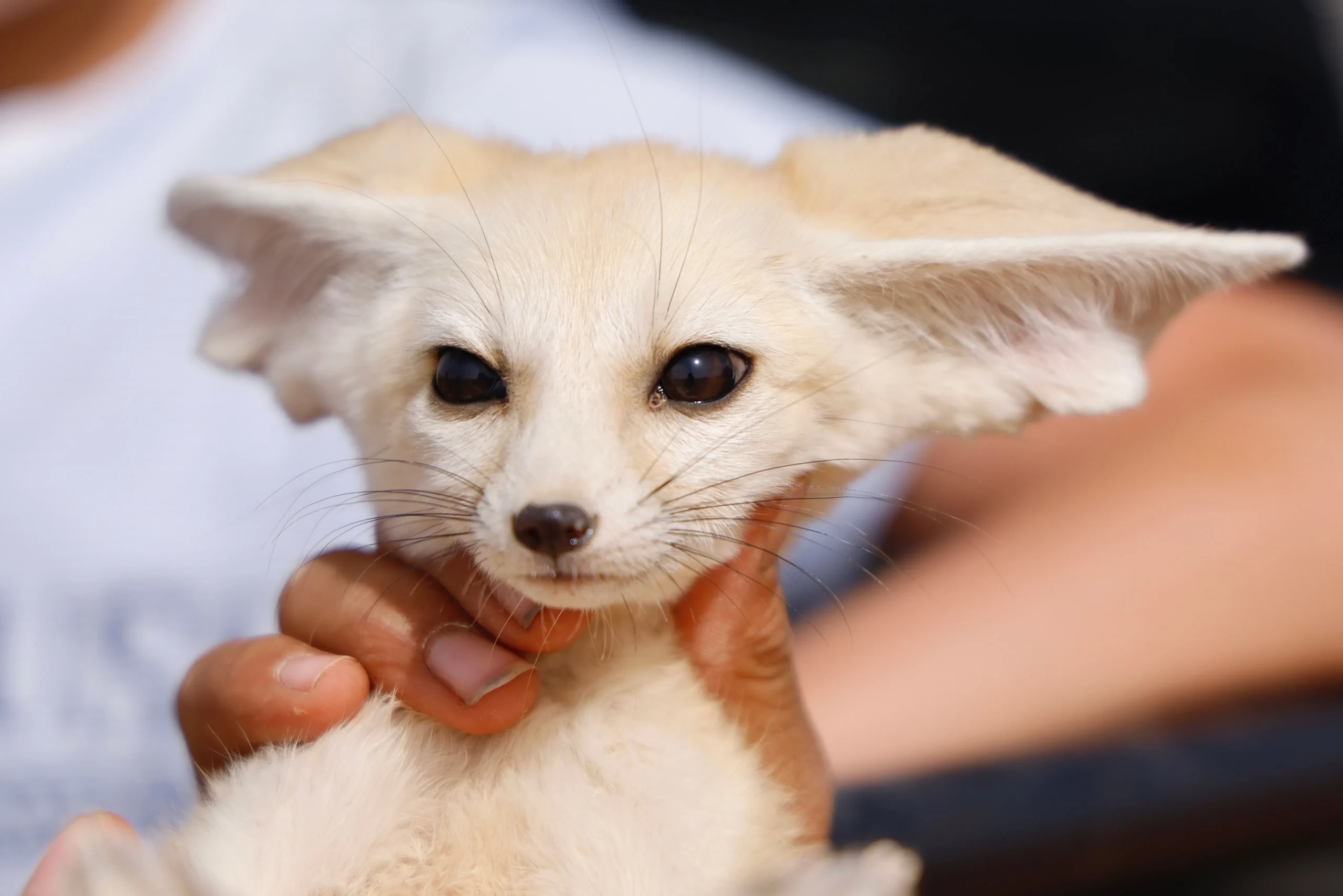
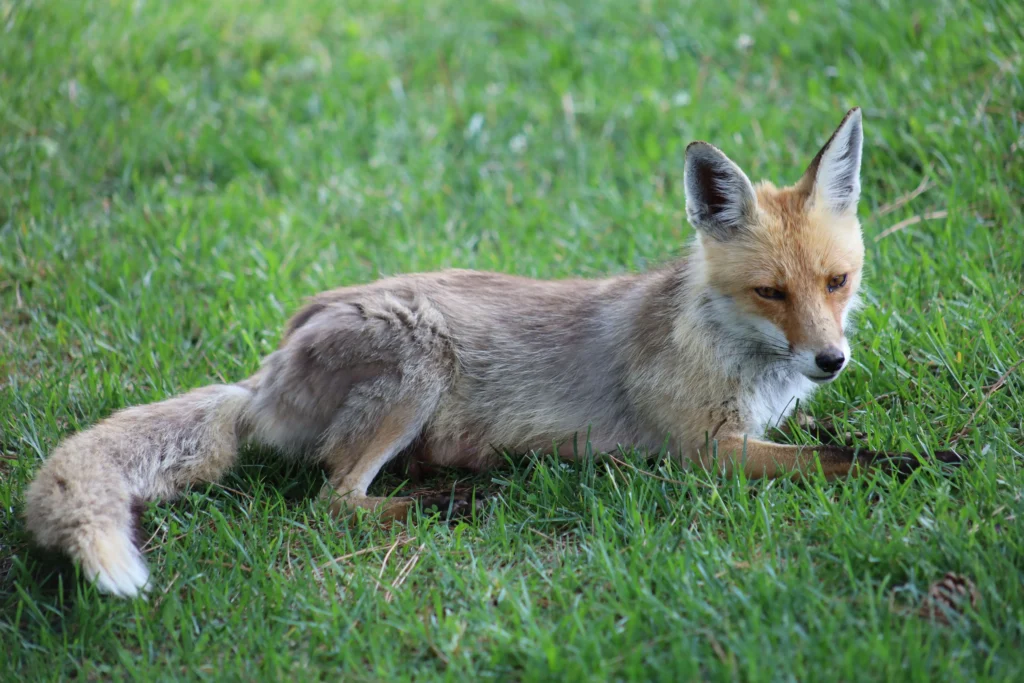
Most pet foxes in the US are red foxes, fennec foxes, or arctic foxes. Each species has different care needs. None of them behave exactly like a dog or cat, even when raised from a young age.
Foxes Are Still Mostly Wild Animals
Even friendly pet foxes keep strong wild habits. They dig, mark territory with scent, and can be very vocal. New owners often underestimate how different this is from typical pet behavior.
Quick Facts Box
| Fact | Details |
| Common Pet Species | Red fox, fennec fox, arctic fox |
| Domestication Level | Mostly wild-natured, except select bred lines |
| Average Lifespan | 10–14 years in captivity |
| Adult Size | Varies by species, roughly 3–15 pounds for fennec foxes, larger for red foxes |
| Legal Status | Varies widely by state and country |
| Enclosure Needs | Large secure outdoor space, not a typical house setup |
| Diet | Omnivore: meat, fruit, and vegetables |
Where Does the Pet Fox Trend Come From?
The idea of foxes as pets is not new, but it grew a lot with internet culture. Videos and photos of tame foxes spread quickly online. This gave many people the impression that fox ownership is simple and common.
In reality, most pet foxes trace back to fur farms or specialized breeders. Some breeders focused on temperament instead of fur quality over time. This slowly created calmer, more people-friendly fox lines.
This can vary depending on the breeder and country, so it’s best to research any specific fox’s background before buying one.
History and Evolution of Pet Foxes
Foxes have lived near humans for a long time, often as wild animals near farms and towns. True pet fox breeding is much newer. Selective breeding programs for tame foxes began in the mid-1900s.
One well-known program bred silver foxes for calm behavior over many decades. Researchers found that selecting for tameness also changed physical traits over generations. This work remains a reference point for anyone studying fox domestication.
Pet fox ownership has grown more visible in recent years. Online communities now share care tips and rescue information. This has helped some owners, but it has also increased impulse interest from people unprepared for the commitment.
Key Characteristics and Care Needs
Foxes need much more space and enrichment than typical house pets. They are active, curious, and prone to digging and chewing. Care needs are closer to a high-energy exotic animal than a lap pet.
Temperament
Fox temperament varies a lot by individual and breeding line. Some are curious and playful. Others stay shy or defensive, even with regular handling.
Space and Enclosure Needs
Foxes need secure outdoor enclosures with digging-proof barriers. Indoor-only setups rarely work well long term. Many owners build large fenced yards with dig guards along the fence line.
Scent Marking and Behavior
Foxes mark territory with a strong scent, especially unneutered males. This can vary depending on the individual fox, so it’s smart to ask breeders about this before committing.
Quick Comparison Snapshot
| Option | Best For | Key Difference |
| Fox (where legal) | Experienced exotic pet owners with outdoor space | High care needs, limited legality |
| Dog | Most households wanting a loyal companion | Fully domesticated, far easier daily care |
| Ferret | Owners wanting a smaller, playful exotic pet | Legal in more places, smaller space needs |
| Domesticated Silver Fox (bred line) | Owners seeking a calmer, tamer fox temperament | Selectively bred for tame behavior, still exotic care needs |
Domestic Foxes as Pets: How They Differ From Wild Foxes
Domestic foxes as pets come from breeding lines selected for calmer behavior. They are not the same as wild foxes caught from nature. Still, “domestic” does not mean “fully tame” in the way a dog is tame.
These foxes often bond more easily with their owners. They may tolerate handling better than wild-type foxes. Even so, they usually keep strong digging, marking, and vocal habits.
Buyers should always confirm a fox’s breeding background. This helps set realistic expectations before bringing one home. It’s best to ask breeders directly about temperament history for any specific fox.
Fox Animal as Pet: What Daily Life Looks Like
A fox animal as pet lives very differently from a typical house pet. Most of their day involves outdoor time, digging, and exploring their enclosure. Indoor time is usually limited and closely supervised.
Owners often describe fox care as closer to caring for a mix of a dog and a wild animal. They need mental stimulation daily. Boredom can lead to destructive digging or chewing.
Feeding also differs from typical pet food. Many owners use a mix of raw meat, commercial exotic diets, and fresh produce. This can vary depending on the species, so it’s best to confirm a diet plan with an exotic vet.

Fox as a Pet for Sale: A Quick Note on Buying
This section is included because it was part of the provided keyword list. It leans toward a buying/selling search, so it’s kept short and separate from general care advice.
Searches for “fox as a pet for sale” often lead to breeder websites or classified ads. Buyers should always confirm legal status in their state before purchasing. Buying from an unlicensed source can carry legal and welfare risks.
A reputable breeder should be transparent about the fox’s health history and legal paperwork. Never buy a fox without confirming your state and local laws first. This step matters more for foxes than almost any other pet on this list.
Daily Care Routine: How to Get Started
Fox ownership needs daily commitment from day one. Their routine differs a lot from a cat or dog schedule. Here is a general outline most owners follow.
- Check enclosure security each morning for dig-outs or damage
- Offer a balanced diet of meat, produce, and species-appropriate food
- Provide enrichment items like digging boxes or puzzle feeders
- Clean bedding and enclosure areas daily
- Monitor for scent marking or stress behaviors
- Schedule regular exotic vet checkups
Before You Get Started
Research local laws first. Then find a licensed, reputable breeder or rescue. This order matters, since laws can make ownership impossible in many areas regardless of preparation.
Cost Breakdown
Fox ownership costs are much higher than most common pets. Initial setup alone can rival a small home renovation. Ongoing costs stay high due to specialized diet and vet needs.
| Item | Estimated Cost |
| Fox (from licensed breeder) | $1,000–$3,500+ |
| Enclosure and fencing setup | $1,000–$5,000+ |
| Monthly food costs | $50–$150 |
| Exotic vet checkups | $75–$200 per visit |
| Permits or licensing fees (where required) | Varies by state |
This can vary a lot depending on species, location, and breeder, so it’s smart to get exact quotes before committing.
Common Mistakes Pet Owners Make
Many new fox owners underestimate what this pet needs. A few mistakes come up again and again. Knowing them ahead of time can prevent serious problems.
- Buying a fox before confirming it’s legal in their state
- Assuming a pet fox will behave like a tame dog
- Using an indoor-only setup without secure outdoor space
- Skipping neutering, which can increase marking and roaming behavior
- Underestimating digging and escape risks in the enclosure
Pros and Cons
| Pros | Cons |
| Unique, engaging personality for experienced owners | Illegal or restricted in many states and countries |
| Some bred lines show calmer temperaments | High setup and ongoing care costs |
| Long lifespan compared to many small pets | Strong wild instincts, even in tame lines |
| Growing community of experienced fox owners online | Requires large outdoor space and vet access |
Similar Options to Consider
| Option | Best For |
| Ferret | Owners wanting a smaller, legal-in-most-states exotic pet with playful energy |
| Domesticated silver fox line | Owners specifically seeking a calmer, selectively bred fox temperament |
| Dog (fox-like breeds, such as Shiba Inu) | Owners wanting a fox-like look with full domestication |
| Wildlife sanctuary sponsorship | Owners who love foxes but want to avoid full ownership responsibility |
When to Consult a Vet or Professional
Always work with a licensed exotic animal vet before getting a fox. Not all vets treat foxes, so confirming availability first matters. This step should happen before you bring a fox home, not after.
Contact a vet right away if your fox shows sudden appetite loss, limping, or unusual aggression. These signs need professional evaluation. Never try to diagnose or treat a sick fox at home.
It’s also wise to consult a wildlife or exotic pet attorney in complex legal states. Some areas require permits or have unclear rules. This can vary depending on your specific city and state, so it’s best to confirm directly with local wildlife agencies.
Fun Facts y
- Foxes communicate using a wide range of vocal sounds, more than most canines
- A group of foxes is sometimes called a “skulk” or a “leash”
- Fennec foxes have unusually large ears that help release body heat
- Some fox breeding programs have studied tameness and physical trait changes together
- Foxes often store extra food by burying it, a behavior called caching
- Arctic foxes change coat color between seasons for camouflage
- Foxes are part of the Canidae family, related to dogs and wolves
Frequently Asked Questions
Can you have a fox as a pet?
In some places, yes, but it depends entirely on local law. Many US states ban fox ownership outright. Others allow it only with a special permit or license.
Even where legal, ownership often comes with strict enclosure and care rules. It’s best to contact your state wildlife agency directly. Rules can change, so always confirm current regulations before making any plans.
How can you get a fox as a pet?
The safest path starts with confirming your state’s laws first. After that, buyers usually work with a licensed exotic animal breeder. Some rescues also rehome foxes from previous owners or fur farms.
Avoid unlicensed sellers or unclear online ads. A reputable source should provide health records and legal documentation. Skipping this step can lead to legal trouble or an unhealthy animal.
Is it legal to have a fox as a pet?
Legality depends completely on where you live. Some states allow certain fox species with a permit. Others ban all pet fox ownership, regardless of species or breeding history.
Local city or county rules can add another layer of restriction, even in states that technically allow it. Always check state wildlife department websites directly. Never assume legality based on what you see online.
Is it illegal to have a fox as a pet?
In many US states, yes, pet foxes are illegal without special permits. Some states ban them completely, with no permit option available. This makes foxes far more legally restricted than dogs or cats.
Laws can also change over time, so older information online may be outdated. Always confirm current rules with your state’s wildlife or agriculture department. This protects both you and the animal from legal risk.
Final Thoughts
A fox as a pet is not a simple or common choice. It takes real research, space, and financial commitment. Legal rules alone can make or break whether this pet is even possible for you.
For the right person in the right location, a pet fox can be a rewarding, unique companion. Success depends on preparation, not just love for the animal. Confirming local laws should always come before falling in love with the idea.
If a fox does not fit your situation, other pets can offer similar charm with fewer restrictions. Whatever you choose, thorough research protects both you and the animal. That is the foundation of responsible pet ownership.

Olivia Bennett is a pet care writer and animal wellness researcher who has spent more than 8 years creating practical content for pet owners. Her work focuses on dog and cat care, pet nutrition, training, grooming, behavior, and preventive health.
At Pet Wise Worlds (https://petwiseworlds.com/), Olivia researches trusted sources and transforms expert knowledge into easy-to-follow guides that help pet owners give their companions healthier and happier lives.