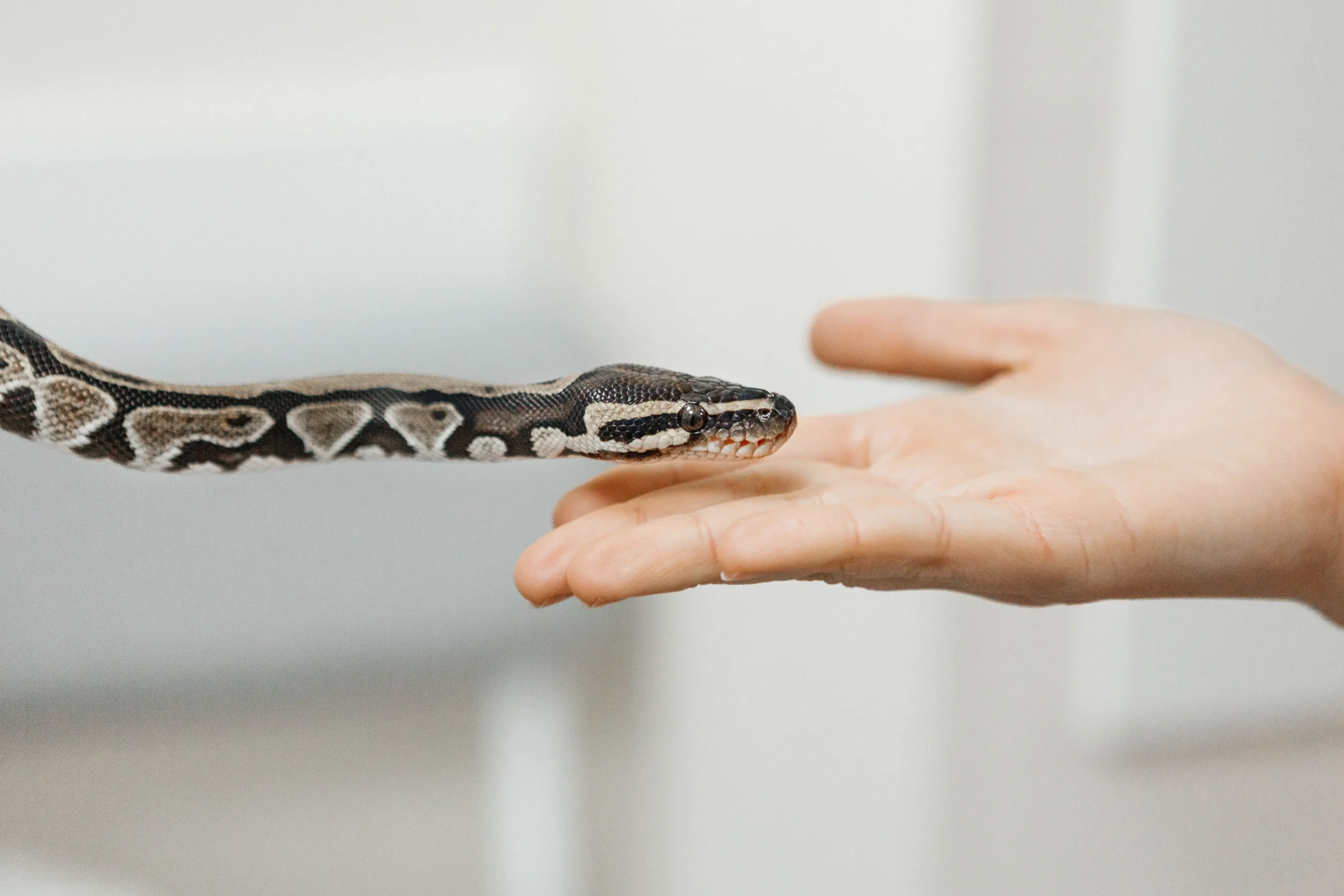
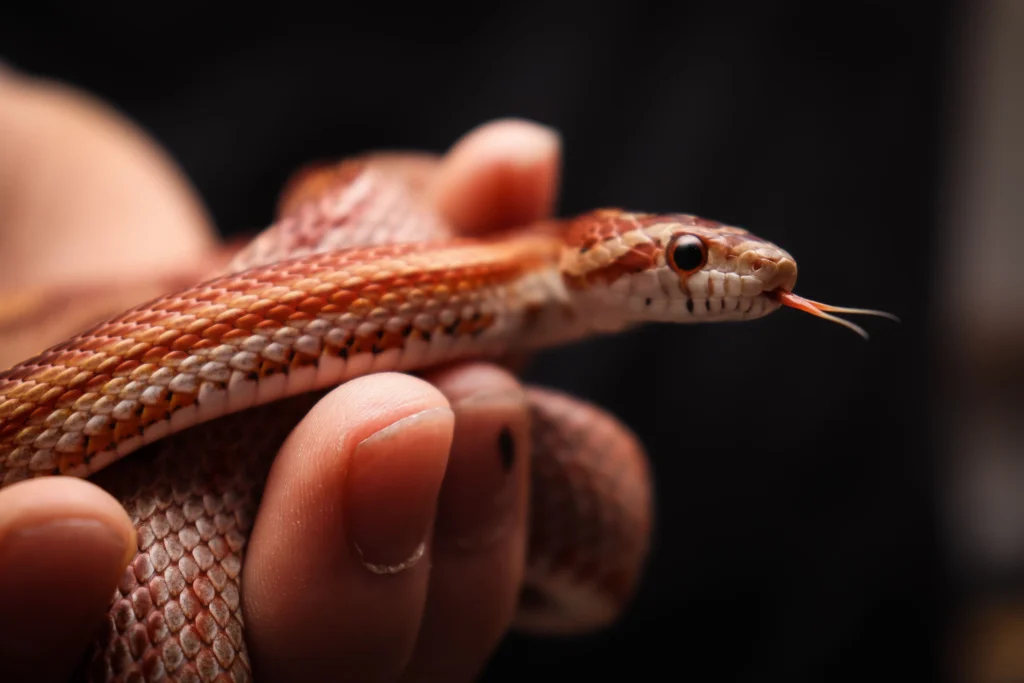
A corn snake as a pet is a small, calm snake known for its gentle nature. It stays a manageable size and eats a simple diet of mice. Many experts call it one of the best snakes for first-time reptile owners. It needs a warm, dry tank and a steady feeding routine.
Key Takeaways
- A corn snake as a pet is calm, easy to handle, and beginner friendly.
- It needs a warm tank, with a basking side near 85°F.
- A single adult corn snake needs at least a 20-gallon tank.
- Setup costs more upfront than the snake itself.
- It eats frozen-thawed mice, not live prey, for safety.
- Always confirm your local exotic pet rules before buying one.
Introduction
Corn snakes are one of the most searched pet snakes online. New reptile owners often start their search with a corn snake as a pet in mind. Their calm nature and simple care make them a common first choice.
Unlike bigger constrictors, corn snakes stay a manageable size. They also handle well once they settle into a new home. This makes them popular with families and first-time snake owners alike.
Interest in pet snakes has grown steadily on social media. Reptile keeping communities on Reddit and YouTube often recommend corn snakes to beginners. This guide covers everything you need before bringing one home.
You will learn about their tank setup, diet, and true cost. You will also learn common mistakes new owners make. By the end, you will know if this snake fits your home and lifestyle.
What Is a Corn Snake?
A corn snake is a non-venomous snake native to North America. It belongs to the constrictor family, though it stays much smaller than pythons or boas. Most adults reach 3 to 5 feet long.
Corn snakes come in many colors and patterns. Breeders call these patterns “morphs.” Common morphs include amelanistic, snow, and classic wild type coloring.
They get their name from the corn-like pattern on their belly scales. Some say the name also comes from their habit of living near corn stores on old farms. Either origin story is widely repeated, though the exact history isn’t fully confirmed.
A Snake Built for Handling
Corn snakes rarely bite once they settle in. They move in a slow, steady way. This calm behavior is a big reason vets and breeders recommend them to new snake owners.
Quick Facts Box
| Fact | Details |
| Scientific name | Pantherophis guttatus |
| Adult size | 3–5 feet long |
| Lifespan | 15–20 years with good care |
| Tank type | Warm, dry, with a hide and basking spot |
| Diet | Frozen-thawed mice |
| Temperament | Calm, easy to handle |
| Legal status | Legal in most states; always confirm locally |
| Activity level | Mostly active at dusk and night |
Where Does the Corn Snake Come From?
Corn snakes come from the southeastern United States. They live in fields, forests, and old farmland in the wild. States like Florida, Georgia, and the Carolinas have strong wild populations.
Wild corn snakes hunt rodents around barns and fields. This habit likely helped their reputation as a farmer-friendly snake. Most pet corn snakes today come from captive breeding, not the wild.
Captive breeding has made corn snakes very common in the pet trade. This means buying one rarely affects wild populations. It also means many colors and patterns are easy to find from reputable breeders.
Key Characteristics and Care Needs
Corn snakes need warmth, a secure tank, and a set feeding schedule. They are not high-maintenance pets once their tank is dialed in. Most daily care takes just a few minutes.
They are shy by nature. A tank with hiding spots helps them feel safe. Stress from an exposed tank can lead to poor eating and hiding behavior.
Handling and Temperament
Corn snakes tolerate gentle handling well. Short handling sessions, a few times a week, work best. Avoid handling right after feeding, since this can cause regurgitation.
Size and Growth
Hatchling corn snakes start out very small, often under a foot long. They grow steadily over their first two to three years. Most reach full adult size by around age three.
Quick Comparison Snapshot
| Option | Best For | Key Difference |
| Corn snake | First-time snake owners | Small size, very calm temperament |
| Ball python | Owners wanting a classic pet snake | Bigger appetite pause periods, thicker body |
| Kingsnake | Owners wanting bold patterns | More food variety, slightly bolder attitude |
| Leopard gecko | Owners who want a non-snake reptile | Land-based lizard, no feeding of whole prey |
All About Corn Snakes as Pets
Corn snakes make a strong case as a starter reptile for many households. They stay calm, feed on a predictable schedule, and fit in a modest tank. This combination is rare among pet snakes.
They also live a long time compared to many small pets. A well-cared-for corn snake can be a 15 to 20 year commitment. This is worth thinking about before you bring one home.
Why They Suit Long-Term Owners
A long lifespan means a corn snake as a pet fits owners looking for a stable, long-term companion. It is not a short-term pet decision. Many owners keep the same corn snake well into adulthood.
Ball Python vs Corn Snake as Pet
Corn snakes and ball pythons are the two most common beginner pet snakes. Corn snakes tend to be more active and easier to handle. Ball pythons often go through picky eating phases that corn snakes rarely show.
Ball pythons also grow heavier and thicker than corn snakes. Corn snakes stay slim and light even as full adults. This makes corn snakes easier for kids or nervous first-time handlers to manage.
Feeding Differences
Corn snakes usually eat consistently once established. Ball pythons are famous for going weeks without eating, especially during breeding season or stress. This can worry new owners unfamiliar with normal python behavior.
Which One Should You Choose?
Choose a corn snake if you want a lighter, more predictable eater. Choose a ball python if you prefer a heavier-bodied snake and don’t mind occasional feeding pauses. Both are considered safe, beginner-friendly choices by most reptile keepers.
Daily Care Routine and Getting Started
A corn snake needs a simple but consistent routine. Most tasks happen weekly, not daily. This makes them a good fit for busy households.
Daily Tasks
- Check the tank temperature
- Check the water bowl is full and clean
- Look for signs of stress like glass surfing or hiding nonstop
Weekly Tasks
- Feed an appropriately sized frozen-thawed mouse
- Spot-clean waste from the substrate
- Check humidity levels, especially before shedding
Feeding Basics
Corn snakes eat frozen-thawed mice, never live prey. Live prey can injure your snake during feeding. Always feed prey no wider than the snake’s thickest body point.
Cost Breakdown
The corn snake itself is often affordable compared to the full setup. Most of your budget goes toward the tank and equipment. Ongoing costs stay low after the first purchase.
| Item | Estimated Cost |
| Corn snake | $30–$100 |
| 20-gallon tank or enclosure | $60–$150 |
| Heat lamp and thermostat | $40–$80 |
| Substrate | $10–$25 |
| Hides and décor | $15–$30 |
| Food, per month | $10–$15 |
| Water dish and thermometer | $10–$20 |
This can vary depending on your location and where you shop. Buying used equipment can lower these costs for many new owners.
Common Mistakes Pet Owners Make
Most corn snake problems trace back to a handful of setup mistakes. Knowing them early can save your snake’s health. It can also save you money on fixes later.
Skipping a Secure Lid
Corn snakes are strong escape artists. A loose or unsecured lid is one of the top reasons pet snakes escape. Always use a tank with a locking or clipped lid.
Feeding Prey That’s Too Big
Oversized prey can cause regurgitation or digestive stress. Always match prey size to the snake’s body width. When unsure, size down rather than up.
Handling Too Soon After Feeding
Handling right after a meal can stress your snake’s digestion. This sometimes leads to regurgitating the meal. Wait at least 48 hours after feeding before handling.
Wrong Tank Temperature
A tank that runs too cold slows digestion and activity. A tank that runs too hot can cause stress or burns. Use a reliable thermostat to keep temperatures steady.
Pros and Cons
| Pros | Cons |
| Calm, easy to handle | Needs a secure, escape-proof lid |
| Simple, predictable diet | Requires live or frozen rodents as food |
| Long lifespan for a small pet | Long-term commitment, up to 20 years |
| Low daily maintenance | Setup cost can add up at first |
| Many colors and patterns available | Not everyone is comfortable with snakes |
Similar Options and Alternatives
| Option | Best For |
| Kingsnake | Owners wanting a bold, patterned beginner snake |
| Rosy boa | Owners wanting an even smaller, slow-moving snake |
| Leopard gecko | Owners who prefer a lizard over a snake |
| Bearded dragon | Owners wanting a more interactive reptile pet |
When to Consult a Vet or Professional
Not every vet treats reptiles. Look for an exotic or reptile vet before you need one. Having a vet contact ready saves valuable time in an emergency.
Contact a vet if your corn snake refuses food for several weeks. Also reach out if you notice mouth sores, unusual swelling, or trouble shedding. This can vary depending on the individual pet, so it’s best to confirm any symptom with your vet rather than guess.
Fun Facts
- Corn snakes get their name from the corn-like pattern on their belly.
- They are strong climbers despite spending lots of time on the ground.
- Corn snakes shed their skin in one full piece when healthy.
- Wild corn snakes help control rodent populations near farmland.
- Breeders have created over 800 known color and pattern morphs.
- Corn snakes are not venomous and pose no danger through their bite.
- Some corn snakes can live past 20 years in captivity with strong care.
Frequently Asked Questions
Can you keep a corn snake as a pet?
Yes, corn snakes are legal to keep as pets in most US states. A few cities and states do have extra permit rules for reptiles. Always check your local exotic pet laws before buying one, since rules can change. Corn snakes are widely bred in captivity, so you rarely need a wild-caught animal. This makes ownership straightforward for most people. Checking local rules first avoids problems down the road.
Can you have a corn snake as a pet?
Yes, corn snakes are one of the most commonly kept pet snakes in the US. They fit well in apartments and houses alike, since they need only a modest tank. Their calm nature also makes them a good fit for households with older kids. Unlike larger constrictors, they don’t need a huge enclosure or heavy lifting equipment. Most owners find them easy to fit into a normal home routine.
Are corn snakes good to have as pets?
Corn snakes are considered one of the best beginner pet snakes by many reptile keepers. Their calm temperament makes handling low-stress for new owners. They also have a predictable feeding routine, unlike some pickier reptile species. Their manageable adult size means tank upgrades stay simple over time. For someone new to reptile care, a corn snake offers a gentle learning curve.
What do corn snakes eat as pets?
Pet corn snakes eat frozen-thawed mice, sized to match their body width. Hatchlings eat pinky mice, while adults move up to larger mouse sizes over time. Feeding schedules usually run every 5 to 7 days for adults. Never feed live prey, since it can injure your snake during a strike. Always thaw and warm frozen mice properly before offering them.
Do corn snakes need a heat lamp?
Yes, most corn snake tanks need a heat source. A heat lamp or heat mat creates a warm basking side near 85°F. The cooler side of the tank should stay closer to room temperature. This temperature gradient lets your snake regulate its body heat naturally.
Final Thoughts
A corn snake as a pet offers a calm, manageable entry into reptile keeping. It rewards a steady routine with a long, healthy life. For many first-time owners, it strikes a great balance between simple care and genuine personality.
Success comes down to a secure tank, steady temperatures, and a safe feeding routine. Skipping these basics is where most new owners run into trouble. Take time to set things up properly before bringing one home.
If you want a low-noise, hands-on pet without the demands of a dog or cat, a corn snake may suit your life well. Research your local laws, build a secure tank, and enjoy watching this calm reptile settle into its new home.

Olivia Bennett is a pet care writer and animal wellness researcher who has spent more than 8 years creating practical content for pet owners. Her work focuses on dog and cat care, pet nutrition, training, grooming, behavior, and preventive health.
At Pet Wise Worlds (https://petwiseworlds.com/), Olivia researches trusted sources and transforms expert knowledge into easy-to-follow guides that help pet owners give their companions healthier and happier lives.