Axolotls as pets are small water salamanders that stay in the water their whole life. They are quiet, low-noise pets that live in a home tank. New owners like them for their calm nature. But they need steady, cool water and a specific tank setup to stay healthy.
Key Takeaways
- Axolotls as pets are fully aquatic. They never leave the water.
- They need cool water, ideally between 60–68°F.
- A single axolotl needs at least a 20-gallon long tank.
- Setup costs add up fast, even if the animal itself is cheap.
- They should never live with fish or other tank mates.
- Check your local laws first. Some states ban pet axolotls.
Introduction
Axolotls have taken over pet forums and social media. Their smiling face and pink gills make them easy to love. Many new pet owners search for axolotls as pets because they want something calm and different from a cat or dog.
But axolotls are not like normal fish. They need cold, clean water and need the right tank size. They need a quiet home with no other pets sharing their space.
This guide walks you through everything. You will learn about their history, their needs, and their true cost. You will also learn the mistakes that trip up most new owners. By the end, you will know if this quiet water pet is right for your home.
What Is an Axolotl?
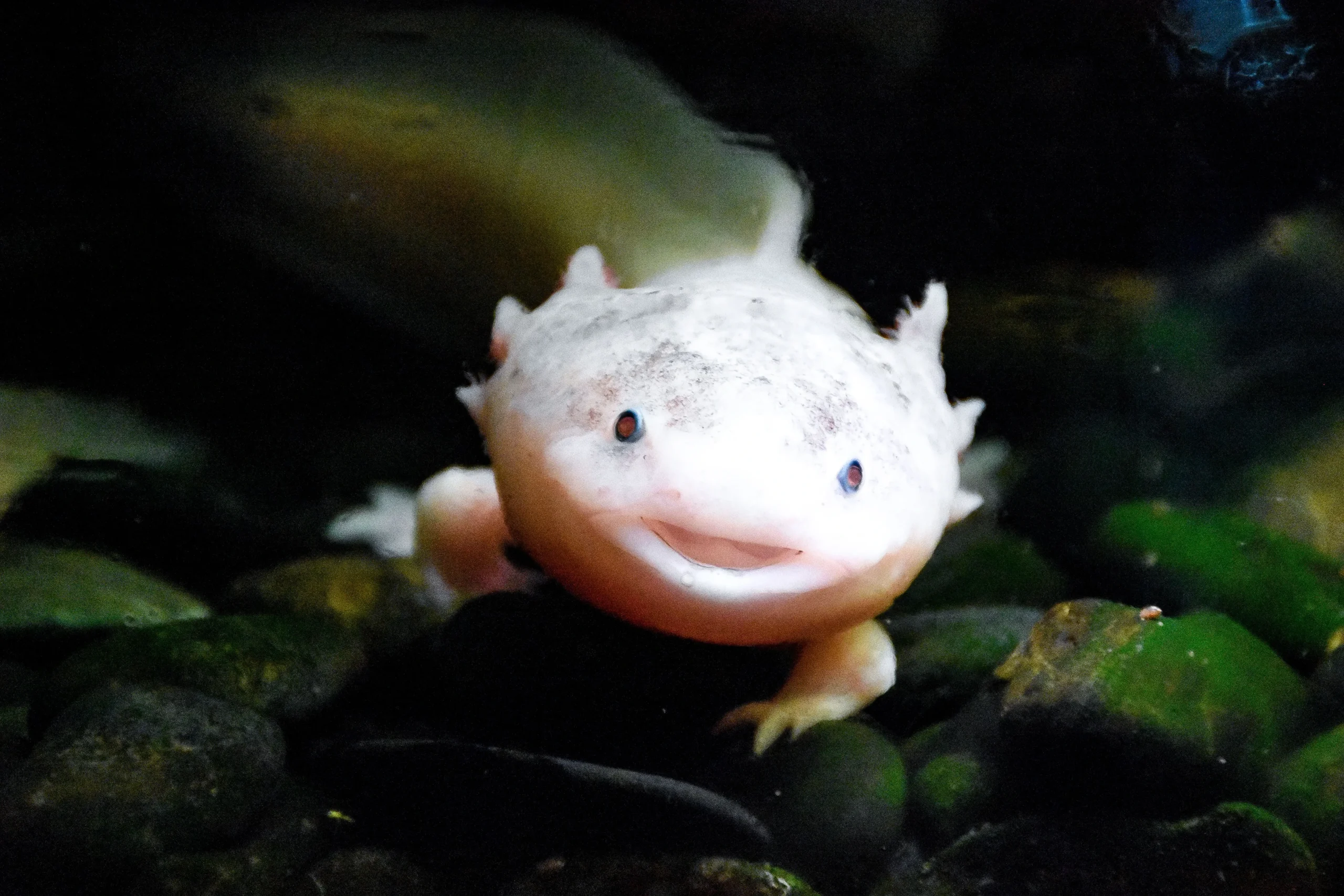
An axolotl is a type of salamander that lives in water its whole life. Unlike most amphibians, it never grows lungs to walk on land. It keeps its gills and stays fully aquatic as an adult.
Axolotls come in many colours. Some are pink or white with red gills. Others are black, gray, or gold. Each colour has its own name among pet owners, like leucistic, wild type, or melanoid.
They grow to about 9 to 12 inches long. That is bigger than most people expect. A fully grown axolotl looks more like a small eel with legs than a tiny lizard.
A Body That Never Stops Growing Up
Axolotls stay in a young form their whole life. Scientists call this trait neoteny. This is why they keep their gills instead of losing them like other salamanders.
This same trait gives axolotls a famous skill. They can regrow lost limbs, tails, and even parts of their spine. This makes them a popular animal in science labs, not just home tanks.
Quick Facts Box
| Fact | Details |
| Scientific name | Ambystoma mexicanum |
| Adult size | 9–12 inches long |
| Lifespan | 10–15 years with good care |
| Tank type | Fully aquatic, cool water |
| Diet | Meat-based, no plant food |
| Tank mates | None recommended |
| Legal status | Varies by state; check local rules |
| Activity level | Mostly still, active at night |
Where Does the Axolotl Come From?
Axolotls come from Mexico. Wild axolotls live only in a small lake system near Mexico City called Lake Xochimilco. Sadly, wild axolotls are now critically endangered in their home habitat.
Pollution and habitat loss have hurt wild populations badly. Most pet axolotls today do not come from the wild at all. They come from home breeders and aquarium farms instead.
This matters for new owners. Buying a pet axolotl from a responsible breeder does not harm the wild population. The pet trade and the wild population are almost fully separate today.
History and Evolution
Axolotls have a long history with Aztec culture in Mexico. Some old stories link the axolotl to an Aztec god. The name axolotl itself comes from the Nahuatl language.
Scientists have studied axolotls for over 150 years. Their limb regrowth ability made them famous in biology research labs worldwide. This research use helped keep captive breeding programs strong.
In recent years, axolotls became a viral pet trend online. Their odd smiling face fits well with meme culture and short video platforms. This helped push demand for axolotls as pets much higher than before.
Key Characteristics and Care Needs
Axolotls are calm, slow-moving pets. They do not need daily attention like a dog. But they do need very specific water conditions to stay healthy.
They are sensitive to heat. Warm water can stress them and even kill them over time. They also get hurt easily by sharp gravel or rough tank decorations.
Temperament and Handling
Axolotls are not cuddly pets. Experts recommend limiting handling as much as possible. Their skin is thin and easy to damage with human hands.
Most owners enjoy simply watching their axolotl. Feeding time is often the only close interaction they have. This makes axolotls a better “watch and admire” pet than a “hold and pet” one.
Sensitivity to Water Quality
Axolotls breathe partly through their skin and gills. Dirty water hurts them fast compared to many fish. A good filter and regular water testing are not optional extras.
Quick Comparison Snapshot
| Option | Best For | Key Difference |
| Axolotl | Quiet, hands-off water pet lovers | Fully aquatic, needs cool water |
| Betta fish | First-time beginners on a budget | Warmer water, smaller tank |
| Leopard gecko | Owners who want gentle handling | Lives on land, not in water |
| Red-eared slider turtle | Owners who want an active pet | Needs land and water space |
Axolotl as a Pet for Beginners
Axolotls can work well for beginners, but only with the right prep. They are not a “set it and forget it” pet like people often assume. Success depends on getting the water and tank right from day one.
New owners should research water chemistry before buying an axolotl. This is not a pet you can figure out later. A rushed setup often leads to a sick or stressed animal within weeks.
What Makes Them Beginner-Friendly
Axolotls do not need daily walks or training. They do not bark, scratch, or need a litter box. For a quiet apartment pet, that simplicity appeals to many first-time owners.
What Makes Them Tricky for Beginners
Water temperature control trips up many new owners. Most homes run warmer than an axolotl likes. This often means adding a chiller, which raises the total setup cost.
Is an Axolotl the Right Pet for You?
An axolotl fits owners who want a calm, visual pet rather than an interactive one. It does not fit owners hoping for a pet they can hold often. Your home’s temperature also matters a lot here.
If your home stays cool naturally, tank setup gets easier. If you live somewhere hot, you will likely need a water chiller. That single item can be one of the pricier parts of axolotl ownership.
Axolotl Tank Setup for Beginners
A proper axolotl tank setup starts with size and safety. You need a long, low tank with a secure lid. Axolotls can jump more than people expect, so a loose lid is risky.
Bare-bottom tanks are common and safe for beginners. Fine sand also works if you want a natural look. Gravel is risky because axolotls may swallow small pieces while feeding.
Setup Checklist
- 20-gallon long tank or bigger
- Secure, tight-fitting lid
- Sponge filter or gentle filter with low flow
- Fine sand or bare bottom substrate
- Hiding spots like caves or tubes
- Water thermometer
- Water conditioner for tap water
Filtration and Water Flow
Axolotls dislike strong water currents. A powerful filter can stress them out over time. Sponge filters work well because they clean water gently without much flow.
Best Tank Size for a Pet Axolotl
A single adult axolotl needs at least a 20-gallon long tank. Bigger is always better for water stability. A larger tank also makes it easier to keep temperature and cleanliness steady.
If you plan to keep two axolotls, most guides suggest at least 40 gallons total. Axolotls can be aggressive toward each other, especially during feeding. More space lowers the risk of injury between tank mates.
Length Matters More Than Height
Axolotls are bottom dwellers. A long, wide tank matters more than a tall one. Tall, narrow tanks waste space that your axolotl will never really use.
Axolotl Water Temperature Requirements
Axolotls need cool water between 60 and 68°F. Water above 70°F can stress them and weaken their immune system. Water that stays too warm for too long can become deadly.
A water chiller is often needed in warm climates or during summer. Some owners use frozen water bottles as a low-cost backup method. This method is a short-term fix, not a full replacement for a chiller.
Signs Your Water Is Too Warm
- Your axolotl stops eating
- Gills look shriveled or curled
- Your axolotl stays unusually still or hides more
- White fuzzy patches appear on the skin
If you see these signs, cool the water right away. Then talk to an exotic vet if symptoms continue.
Daily Care Routine and Getting Started
A simple daily routine keeps your axolotl healthy. Most of the real work happens in weekly water checks, not daily tasks. This makes axolotls fairly low effort once the tank is stable.
Daily Tasks
- Check the water temperature
- Look at your axolotl for signs of stress or illness
- Feed every 1–2 days, depending on age
Weekly Tasks
- Test water for ammonia, nitrite, and nitrate
- Do a partial water change, about 20–25%
- Wipe down tank glass and remove uneaten food
Feeding Basics
Axolotls eat meat, not plants or flakes. Common foods include earthworms, bloodworms, and sinking pellets made for axolotls. Always feed food sized for their mouth to avoid choking risks.
Cost Breakdown
The axolotl itself is often the cheapest part of ownership. Most of your budget goes into tank setup and equipment. Ongoing costs stay fairly low after that first purchase.
| Item | Estimated Cost |
| Axolotl | $20–$75 |
| 20-gallon long tank | $60–$150 |
| Filter (sponge type) | $10–$25 |
| Water chiller (if needed) | $100–$250 |
| Substrate (sand) | $10–$20 |
| Food, per month | $10–$20 |
| Water conditioner and test kit | $20–$30 |
This can vary depending on your location and where you shop. Prices also shift based on the color and rarity of the axolotl.
Common Pet Axolotl Mistakes
Most axolotl problems come from a few repeated mistakes. Knowing them ahead of time can save your pet’s health. It can also save you money on emergency fixes later.
Using Warm Tap Water Without Testing
Many new owners skip water testing at first. Warm, untreated tap water can shock or poison an axolotl fast. Always test and treat water before adding your axolotl.
Adding Fish or Other Tank Mates
Fish often nip at axolotl gills, causing injury. Some fish also carry parasites that harm axolotls. It is safest to keep axolotls alone in their tank.
Using Gravel Substrate
Axolotls often swallow small stones while hunting for food. This can block their gut and become a medical emergency. Sand or bare-bottom tanks are much safer choices.
Overhandling the Axolotl
Frequent handling can damage their sensitive skin. It can also cause serious stress over time. Limit handling to only when truly needed, like during a tank clean.
Pet Axolotl Pros and Cons
| Pros | Cons |
| Quiet, low-noise pet | Needs cool water year-round |
| No daily walks needed | Setup cost can be high upfront |
| Long lifespan for a small pet | Sensitive to poor water quality |
| Unique, calm personality | Not legal to own in every state |
| Great for apartment living | Not a pet you can cuddle often |
Similar Options and Alternatives
| Option | Best For |
| Betta fish | Owners wanting a colorful, low-cost starter pet |
| Dwarf African frog | Owners wanting a small, active water pet |
| Leopard gecko | Owners who want gentle, land-based handling |
| Mystery snail | Owners wanting a very low-maintenance tank pet |
When to Consult a Vet or Professional
Not every vet treats axolotls. Look for an exotic or aquatic vet before you need one. Having a vet contact ready before an emergency saves valuable time.
Contact a vet if your axolotl stops eating for several days. Also reach out if you notice open sores, swelling, or floating problems. This can vary depending on the individual pet, so it’s best to confirm any symptom with your vet rather than guess.
Fun Facts
- Axolotls can regrow lost legs, tails, and even parts of their heart.
- Wild axolotls are critically endangered in Mexico.
- The name axolotl comes from the Nahuatl language.
- Axolotls almost never leave the larval, water-based body stage.
- Some axolotls can live past 15 years with strong care.
- Axolotls have four short legs but rarely walk on land.
- Their smiling mouth shape is just natural face structure, not an emotion.
Frequently Asked Questions
Can you have an axolotl as a pet?
Yes, in many places you can. But axolotl ownership is banned or restricted in a few US states. Always check your state and city rules before buying one. Rules can change, so confirm current laws with your local wildlife or fish and game department. Owning one where it’s banned can lead to fines or the animal being taken away. This step matters more than most new owners realize.
How do you take care of a pet axolotl?
Good axolotl care starts with cool, clean water and a proper tank. Keep water between 60–68°F using a thermometer and chiller if needed. Feed meat-based food every 1–2 days. Test water weekly and change part of it to control waste. Avoid gravel, fish tank mates, and frequent handling. Following these steps helps prevent most common health problems in pet axolotls.
How long do axolotls live as pets?
Pet axolotls often live 10 to 15 years with proper care. Some owners report axolotls living even longer in ideal conditions. Lifespan depends heavily on water quality, temperature, and diet. Poor water conditions can shorten their life significantly. Consistent care matters more for lifespan than any single factor alone. This is one reason vets stress stable water over flashy tank decor.
How much does a pet axolotl cost?
The axolotl itself usually costs $20 to $75, depending on color and rarity. Full tank setup costs much more, often $150 to $400 total. This includes the tank, filter, substrate, and possibly a chiller. Monthly costs after setup stay low, mainly food and water supplies. Total first-year cost is a better number to budget for than just the pet’s price alone.
Are axolotls hard to take care of?
Axolotls are not hard once their tank is set up correctly. The challenge is mostly in the setup stage, not daily care. Getting water temperature and quality right takes some learning at first. After that, weekly maintenance is fairly simple and quick.
Final Thoughts
Axolotls make a calm, quiet pet for the right kind of owner. They reward patience with a long lifespan and a truly unique look. But they are not a casual, low-effort purchase.
Success comes down to water quality and tank setup done right from day one. Skipping this step is where most new owners run into trouble. Take time to prepare before bringing one home.
If you want a pet you can watch and enjoy rather than walk and cuddle, an axolotl may fit your life well. Do your research, check your local laws, and build a proper tank first. Your future axolotl will thank you for it.

Ethan Brooks is an animal behavior writer and pet education specialist with over 9 years of experience producing informative content for pet owners. He enjoys writing about pet behavior, nutrition, training techniques, and responsible pet ownership for dogs, cats, birds, rabbits, reptiles, and other companion animals.
Through Pet Wise Worlds (https://petwiseworlds.com/), Ethan shares well-researched articles designed to help families better understand and care for their pets using reliable, practical information.