A low maintenance pet is any animal that needs less daily time, grooming, training or supervision than most common pets. This includes animals like fish, geckos, corn snakes and some cat breeds. These pets fit busy owners, first-time pet parents, small homes or families who still want a pet without a big daily time commitment.
Key Takeaways
- A low maintenance pet needs less daily care, grooming, and supervision than most dogs or high-energy pets.
- Great options include fish, geckos, corn snakes, axolotls, and some calm cat breeds.
- Many low maintenance pets also work well for kids, as long as an adult helps with setup and safety checks.
- Costs vary a lot by pet type. Tank-based pets often cost less month to month than dogs or cats.
- Some low maintenance pets still need a vet check now and then, even if they don’t need daily walks.
- A few low maintenance pets, like certain cats, still enjoy cuddling and attention.
Introduction
Not everyone has hours a day for pet care. Some people work long shifts and Some live in small apartments. Some just want a pet that fits a simpler routine.
That’s why so many people search for a low maintenance pet. They want a companion animal. They don’t want a full-time job on top of it.
This search has grown along with more people living alone or in smaller homes. Apartment living often limits space for big, active pets. A low maintenance pet can solve that problem.
Low maintenance doesn’t mean no care at all. Every pet needs food, a clean space, and attention to its health. It just means the daily time and effort stay smaller.
This guide walks through the best low maintenance pets. It covers care needs, real costs, and common mistakes. It also answers the questions people ask most about easy-care pets.
What Is a Low Maintenance Pet?
A low maintenance pet is an animal that needs less hands-on care each day. It usually needs less grooming, less exercise time, and less training than a typical dog.
Some pets fit this label naturally. Fish stay in a tank. Geckos and corn snakes need feeding just a few times a week. Some cat breeds groom themselves and nap most of the day.
Low maintenance does not mean the pet needs zero care. Every pet still needs:
- Clean water or a clean tank
- The right food
- A safe living space
- Basic health checks over time
The difference is in daily time. A low maintenance pet might need 10 to 20 minutes of care a day. A high-maintenance pet, like some working dog breeds, can need hours of exercise and attention.
Examples of Low Maintenance Pets
Common examples include betta fish, leopard geckos, corn snakes, axolotls, and hamsters. Some birds and calm cat breeds also fit this category well.
Each of these animals has its own care routine. Some need a heat lamp. Some need a filtered tank. The rest of this guide breaks down what each one actually needs.
Quick Facts Box
| Fact | Details |
| Best For | Busy owners, apartment dwellers, first-time pet owners, kids with adult help |
| Common Types | Fish, geckos, corn snakes, axolotls, hamsters, calm cat breeds |
| Daily Care Time | Roughly 10–30 minutes for most tank or cage pets |
| Lifespan Range | Varies widely, from 2–3 years (hamsters) to 15–20+ years (some geckos and tortoises) |
| Space Needed | Small to medium, often just a tank, cage, or small room |
| Vet Visits | Less frequent than dogs or cats, but still needed for health checks |
Key Characteristics and Care Needs
Low maintenance pets share a few traits. They tend to need less physical space, less daily exercise, and simpler food routines than dogs.
Most low maintenance pets also handle time alone well. A betta fish doesn’t need company. A corn snake doesn’t need daily play sessions. This makes them a good fit for owners who work long hours.
Temperament Varies by Species
Temperament is not the same across all low maintenance pets. Some, like certain geckos, prefer to be watched rather than handled. Others, like some cats, still want affection and lap time.
This is why it helps to match the pet to your lifestyle. A reptile suits someone who enjoys quiet observation. A calm cat breed suits someone who wants a cuddly companion with less upkeep than a dog.
Housing and Habitat Needs
Tank-based and cage-based pets need the right setup from day one. This includes proper temperature, lighting and substrate for reptiles. Fish need a filtered, cycled tank before they move in.
Getting the habitat right up front actually reduces daily work later. A well-set-up tank often needs less fuss than a poorly set-up one.
Quick Comparison Snapshot
| Option | Best For | Key Difference |
| Betta Fish | Small spaces, first-time owners | No walks or handling needed, just tank care |
| Leopard Gecko | Owners who enjoy reptiles | Needs a heat source and occasional feeding |
| Corn Snake | Owners wanting a calm, low-fuss reptile | Eats once every 5–7 days as an adult |
| Calm Cat Breed | Owners who want cuddling with less upkeep | Grooms itself, but still needs daily attention |
Best Low Maintenance Pets
The best low maintenance pets tend to be tank-based animals or calm, independent species. This includes betta fish, corn snakes, leopard geckos, and axolotls.
These pets share a few traits. They don’t need daily walks. They don’t need constant supervision. Most stay content in a well-set-up tank or cage.
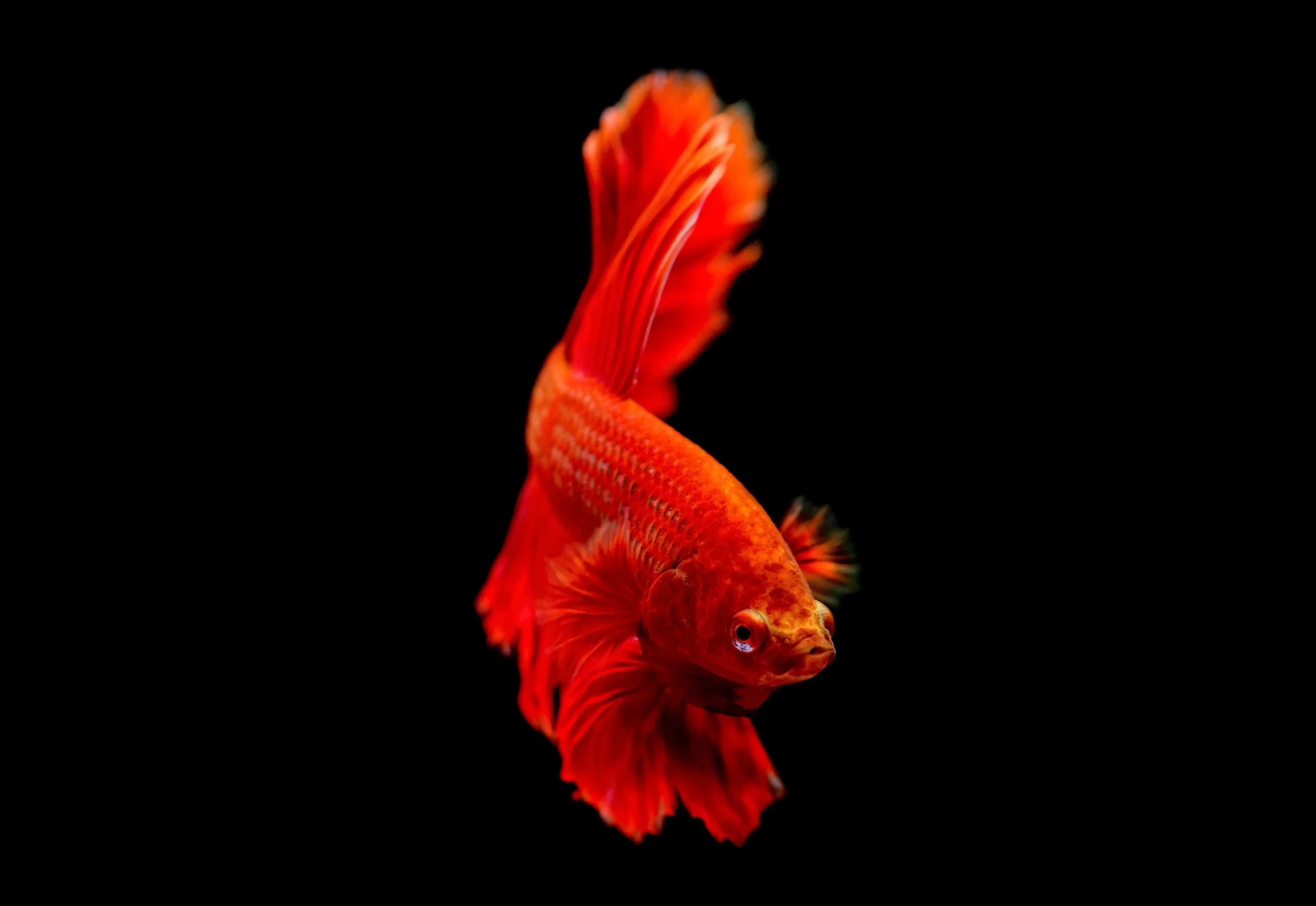
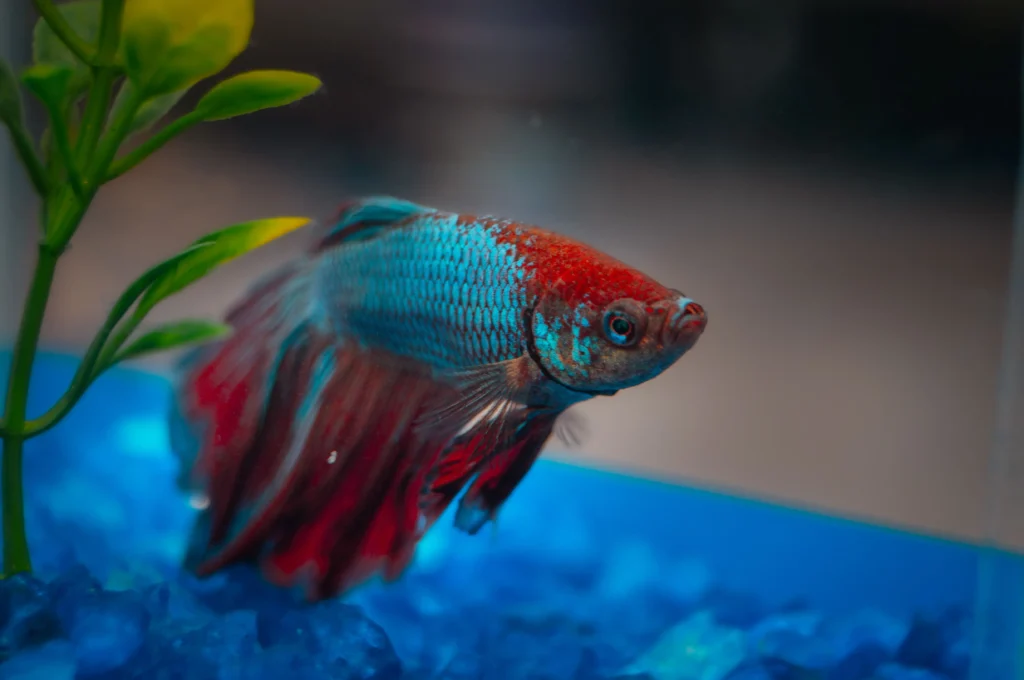
Betta fish are a common starting point. A betta fish needs a filtered tank, stable water temperature, and feeding once a day. It doesn’t need a companion fish and often does better alone.
Corn snakes also rank high on this list. A corn snake as a pet stays a manageable size and eats far less often than a dog or cat needs to.
Geckos round out the list well. needs a heat lamp, a warm hide, and food a few times a week. Many geckos live over 15 years with steady, simple care.
Low Maintenance Pets for Kids
Low maintenance pets can work well for kids, as long as an adult stays involved in setup and safety. Fish, hamsters, and some reptiles often fit family life best.
Kids can help with small daily tasks. This might include feeding, checking water levels, or watching the pet’s behavior. This builds responsibility without overwhelming a child.
Safety Comes First With Kids
Some low maintenance pets are not a good match for young children. Reptiles can carry salmonella. Hand washing after handling matters a lot.
An adult should always supervise handling time. Small pets like hamsters can also be fragile, so gentle handling rules matter from day one.
Good Starter Pets for Families
Fish tanks are often the easiest starting point for kids. They offer daily viewing enjoyment without any handling risk at all.
Hamsters and guinea pigs also work for many families. This can vary depending on the child’s age and the household’s routine, so it’s worth talking through expectations before bringing a pet home.
Low Maintenance Pets That Don’t Need Much Attention
Pets that need little attention tend to be solitary by nature. Fish, snakes, and some geckos fall into this group. They don’t crave daily play or physical touch.
This doesn’t mean they get ignored. It means their care routine centers on habitat upkeep instead of interaction time.
Why Some Pets Need Less Interaction
Reptiles and fish are not social in the way dogs are. A corn snake won’t miss playtime if you skip a day. It still needs a stable tank, correct temperature and regular feeding on schedule.
This makes these pets a strong fit for people with unpredictable schedules. Shift workers and frequent travelrs often do well with this type of pet.
Still Check In Daily
Even a pet that needs little attention still needs a quick daily check. This means confirming the tank temperature is right. It also means checking that water and food supplies look normal.
Skipping daily checks for too long can lead to bigger problems. A heat lamp failure or a cracked tank can turn into an emergency fast.
Low Maintenance Pets That Like to Cuddle
Some low maintenance pets still enjoy affection and closeness. Certain calm cat breeds fit this best. They combine low grooming needs with real cuddle time.
This group works well for people who want connection with their pet. They just don’t want the higher daily demands of an active dog breed.
Cat Breeds Known for Being Calm
Some cat breeds are known for a relaxed, affectionate temperament. This can vary a lot between individual cats, even within the same breed. It’s worth spending time with a cat before adopting, when possible.
Cats also groom themselves daily. This cuts down on the bathing and brushing many dog breeds need.
What Cuddly Pets Still Need
A cuddly low maintenance pet still needs daily food, clean litter and some playtime. It also needs regular vet checkups, just like any other pet.
The lower workload comes from less grooming and less need for outdoor walks. It doesn’t mean skipping care basics.
Daily Care Routine and How to Get Started
Starting with a low maintenance pet means setting up the right space first. A proper habitat before adoption day makes daily care much easier.
Here’s a simple starting routine most low maintenance pets follow:
- Set up the tank, cage, or living space before bringing the pet home.
- Check temperature and water quality daily for tank-based pets.
- Feed on the correct schedule for that species.
- Spot-clean the habitat a few times a week.
- Do a full habitat clean on a set schedule.
- Watch for changes in behavior, appetite, or appearance.
Getting the First Week Right
The first week matters most. This is when a new pet adjusts to its space. Keep handling to a minimum for reptiles and fish during this settling-in time.
Cats and small mammals may also need a quiet adjustment period. Give them space to explore at their own pace.
Cost Breakdown
Costs for a low maintenance pet vary a lot by type. Tank-based pets often cost less each month than dogs or cats, but setup costs can add up early on.
A basic breakdown looks something like this:
- Betta fish: Low setup cost for a small tank, filter and heater. Monthly costs stay low after that.
- Leopard gecko: Moderate setup cost for a tank, heat lamp, and hide. Feeding costs stay low.
- Corn snake: Similar setup to a gecko, with slightly higher enclosure costs as the snake grows.
- Calm cat breed: Higher ongoing costs for food, litter, and regular vet visits.
Exact prices vary by location and by the specific supplies chosen. It’s best to research current prices in your area before budgeting.
Common Mistakes Pet Owners Make
Many people assume “low maintenance” means “no maintenance.” This mistake leads to skipped tank cleanings or missed vet checkups.
Skipping Habitat Setup Research
Some owners buy a tank or cage without researching the right temperature or lighting first. This can hurt the pet’s health fast, especially for reptiles.
Always research the exact species’ needs before bringing the pet home. Needs can vary even between similar species.
Underestimating Long Lifespans
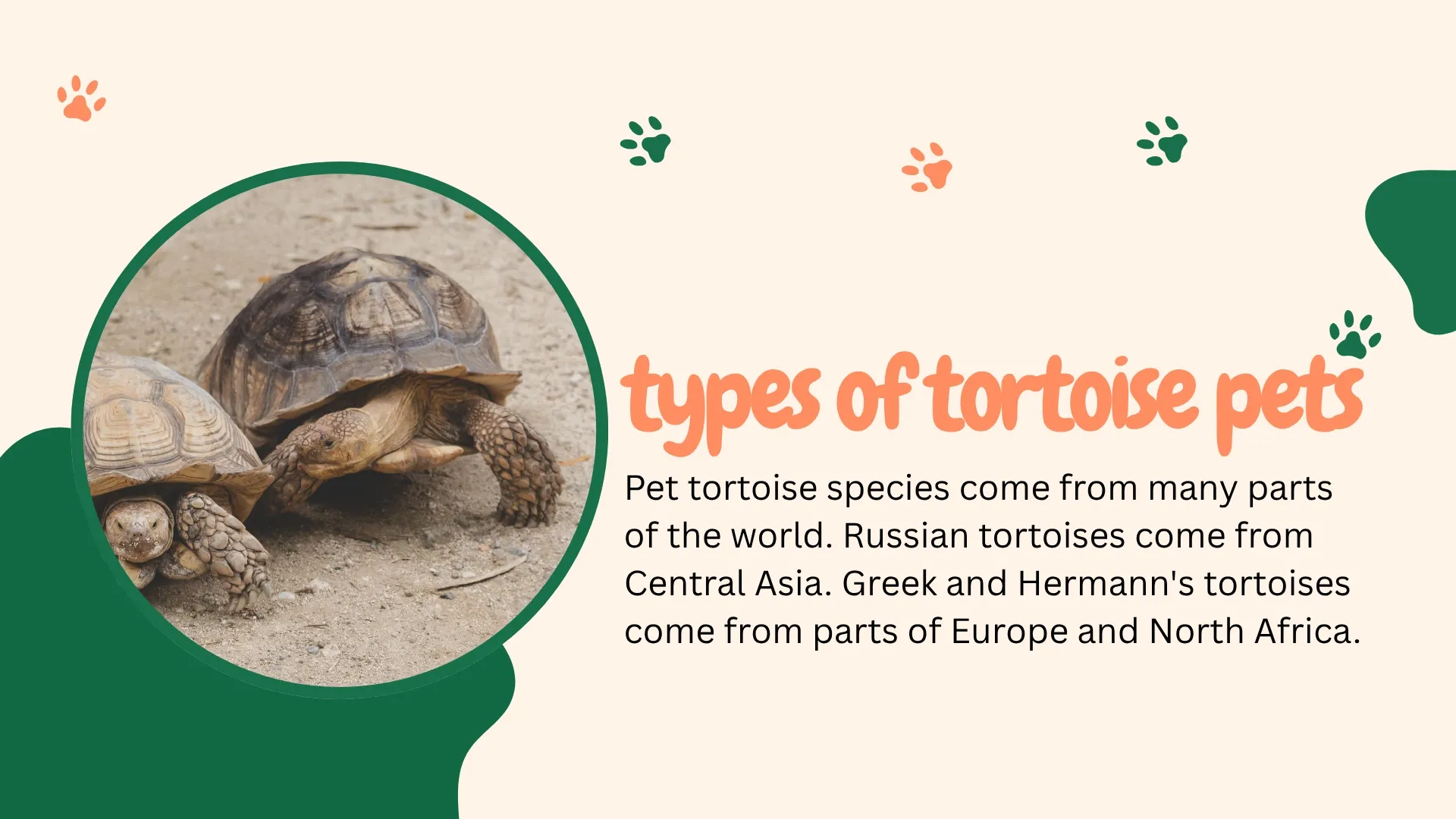
Some low maintenance pets, like certain geckos and tortoises, live for decades. Owners sometimes don’t plan for a pet that could outlive a decade or more of their life.
Think about the full lifespan before adopting, not just the current daily care level.
Ignoring Small Behaviour Changes
A quiet pet can still show signs of illness. Missed food, unusual hiding, or skin changes all matter. Catching these early makes a real difference.
Pros and Cons
| Pros | Cons |
| Less daily time needed | Some species still need specific temperature or lighting setups |
| Often lower monthly costs | Setup costs can be high upfront for reptiles and fish |
| Good fit for small homes | Limited bonding or handling with some species |
| Many species live a long time | Long lifespans mean a long-term commitment |
| Simple feeding schedules | Health issues can be harder to spot in quiet pets |
Similar Options and Alternatives
Beyond the pets covered above, a few other animals also fit a low maintenance lifestyle. Each one comes with its own care details worth knowing before adopting.
| Option | Best For |
| Axolotl | Owners wanting a unique aquatic pet with a simple diet |
| Hamster | Owners wanting a small mammal with a short daily care routine |
| Parakeet | Owners wanting a low maintenance bird with some interaction |
| Guinea Pig | Families wanting a social small pet that’s gentle with kids |
An stays fully aquatic and needs cool, clean water rather than a heated tank. This makes daily care fairly simple once the tank is set up right.
When to Consult a Vet or Professional
Even a low maintenance pet needs professional care at times. Reptiles, fish, and small mammals can all get sick, just like dogs and cats.
Contact a vet who treats exotic or small pets if you notice any of these signs:
- Not eating for several days
- Unusual lumps, swelling, or skin changes
- Trouble breathing or moving
- Sudden changes in energy or behavior
Not every vet treats reptiles or small pets. Look for a vet with exotic animal experience before an emergency happens. Regular checkups also help catch problems early, even in a pet that seems totally fine.
Fun Facts
- Betta fish can recognize their owner’s face over time.
- Some leopard geckos can live 15 to 20 years with good care.
- Axolotls can regrow lost limbs, a trait few other animals share.
- Corn snakes get their name from the corn-like pattern on their belly scales.
- Cats spend a large part of their day sleeping, often more than half.
- Hamsters are naturally solo animals and usually do best living alone.
- Guinea pigs often “popcorn,” a small jump they make when happy.
Frequently Asked Questions
Which pet requires the least amount of care?
Fish, especially betta fish, usually need the least daily care. They live in a tank and need feeding once a day, plus regular water checks. They don’t need walks, training, or physical handling at all.
That said, “least care” still means real care. A betta needs a properly cycled tank and stable water temperature. Skipping tank maintenance can quickly harm the fish, even though the daily routine stays short.
What are the best low maintenance pets for apartments?
Fish, geckos, and corn snakes work well in apartments because they live in a tank rather than needing floor space or a yard. Calm cat breeds also fit apartment life, since they don’t need outdoor exercise.
Noise matters too. Reptiles and fish stay silent, which helps in shared buildings. Always check your lease for any pet restrictions before bringing a new pet home, since some buildings limit certain species.
What are the easiest indoor pets to take care of?
Indoor pets that stay in a tank or cage tend to be the easiest overall. This includes fish, hamsters, and geckos, since their whole world stays inside one contained space.
Ease also depends on your comfort level. Someone confident with reptile care may find a gecko easier than a hamster, and the opposite can be true for someone new to pet ownership. Pick a pet that matches your own experience level, not just its care difficulty on paper.
Which low maintenance pets live the longest?
Reptiles often live the longest among low maintenance pets. Leopard geckos can live 15 to 20 years. Some tortoises live even longer, often decades beyond that.
This matters for planning ahead. A long-lived pet is a long-term promise, not a short trial. Think about where you’ll be in 15 or 20 years before choosing a pet with this kind of lifespan.
Do low maintenance pets still need regular vet visits?
Yes, most low maintenance pets still benefit from occasional vet visits, even if less often than dogs need. Reptiles and fish can develop health issues that are hard to spot without a trained eye.
An exotic-pet vet can check things like weight, skin condition, and overall behavior. This helps catch small issues before they turn into bigger ones.
Final Thoughts
Choosing a low maintenance pet comes down to matching the right animal to your lifestyle. Some people want a quiet tank to watch. Others want a cuddly companion with a simpler care routine than a dog.
Every pet on this list still needs real care. The difference is in daily time, not in importance. A well-cared-for gecko or fish can thrive for years with a steady, simple routine.
Take time to research the exact species before bringing one home. Setup matters more than most people expect. Getting the habitat right from day one makes daily care so much easier later on.
Whatever you choose, a low maintenance pet can still bring a lot of joy. It just fits into a busier life a little more easily.

Olivia Bennett is a pet care writer and animal wellness researcher who has spent more than 8 years creating practical content for pet owners. Her work focuses on dog and cat care, pet nutrition, training, grooming, behavior, and preventive health.
At Pet Wise Worlds (https://petwiseworlds.com/), Olivia researches trusted sources and transforms expert knowledge into easy-to-follow guides that help pet owners give their companions healthier and happier lives.