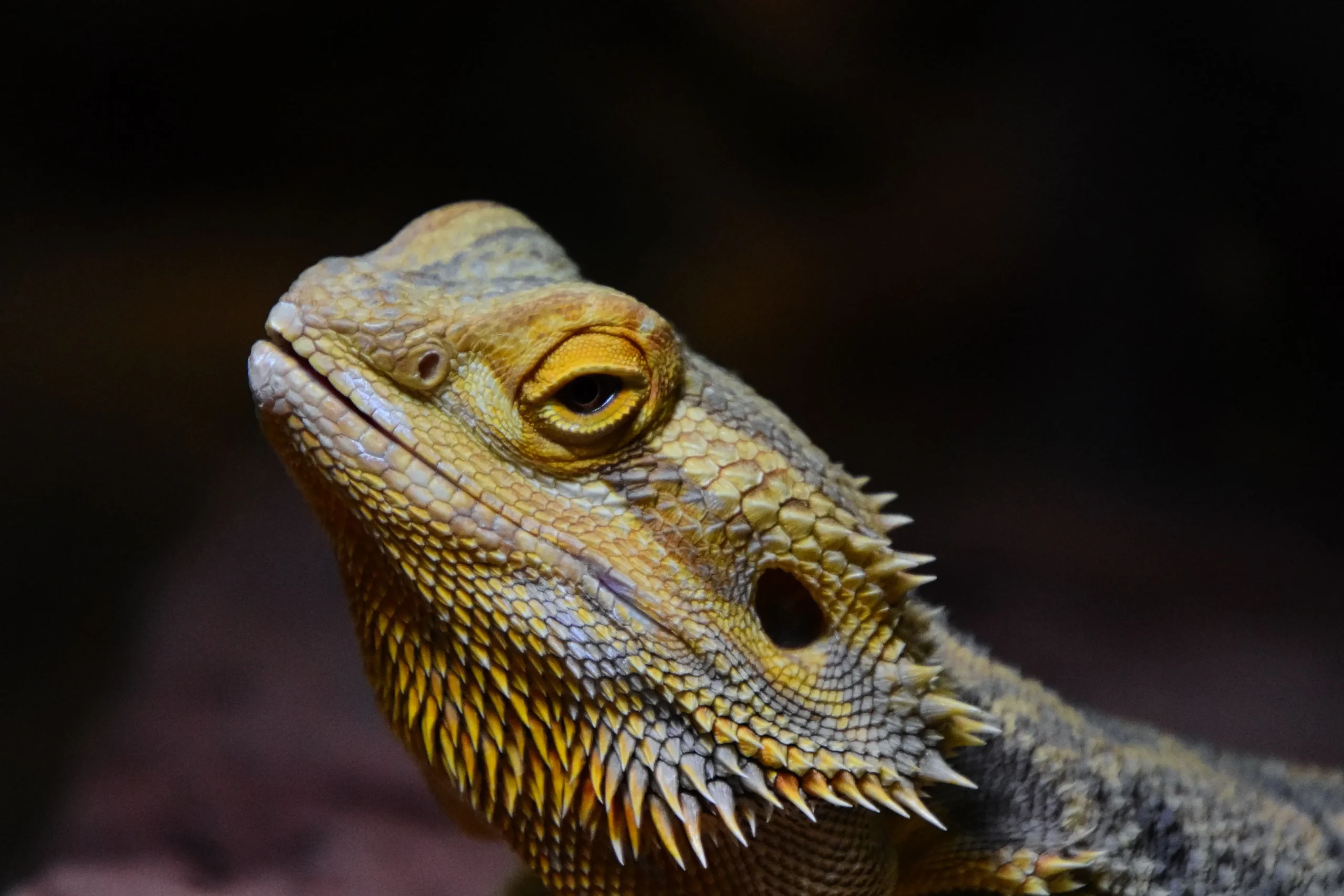
A bearded dragon as a pet is a friendly desert lizard from Australia known for its calm nature and easy handling. Bearded dragons make great pets for beginners because they are gentle, low-maintenance compared to other reptiles, and can live 8 to 12 years or more with proper care.
Key Takeaways
- Bearded dragons are gentle, docile lizards that tolerate handling well
- They need a 40-gallon or larger tank with proper heat and UVB lighting
- Their diet is a mix of live insects and fresh vegetables
- Starter costs range from $200 to $500, plus ongoing food and electric costs
- With good care, they can live 8 to 12 years, sometimes longer
- Always research setup needs before bringing one home
Introduction
Lots of people search for a bearded dragon as a pet every year. These lizards have a calm face and a friendly nature. That makes them stand out from other reptiles.
Many first-time reptile owners want a pet that will not bite or run away in fear. Bearded dragons often fit that need. They tend to sit still for handling and even seem to enjoy being near people.
This guide covers everything a new owner needs to know. You will learn about their care, cost, diet, and health needs. By the end, you will know if this pet fits your home and lifestyle.
Bearded dragons have grown in popularity over the last two decades. Reptile keeping as a hobby has grown too. Many owners say these lizards have real personality, which keeps them a favorite choice for exotic pet lovers.
What Is a Bearded Dragon as a Pet?
A bearded dragon as a pet is a captive-bred lizard kept in a home terrarium. It is not a wild animal you catch outside. Most pet bearded dragons come from breeders or pet stores.
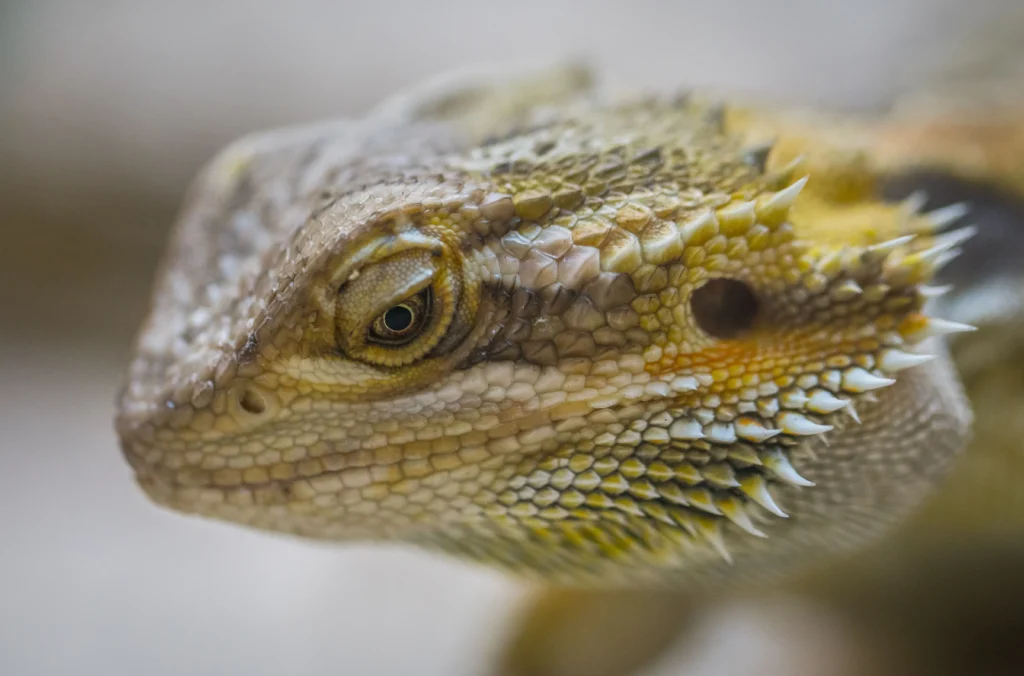
They get their name from the spiky “beard” under their chin. This beard puffs out and turns dark when the lizard feels threatened or excited. It is not dangerous. It is just a form of lizard body language.
Bearded dragons belong to the genus Pogona. The most common pet species is the Central Bearded Dragon, or Pogona vitticeps. Breeders have also created many color and pattern variations, called morphs.
Common Traits Pet Owners Notice
New owners often notice a few things right away. Bearded dragons like to bask under heat lamps. They also enjoy exploring outside their tank under close supervision.
Many owners describe them as curious. They will often watch you from across the room. This behavior is part of why they feel more interactive than many other reptiles.
Quick Facts Box
| Fact | Details |
| Scientific Name | Pogona vitticeps (most common pet species) |
| Origin | Australia |
| Average Lifespan | 8–12 years, sometimes longer with good care |
| Adult Size | 16–24 inches, including tail |
| Diet | Omnivore: insects and vegetables |
| Tank Size | 40-gallon minimum for an adult |
| Temperament | Calm, docile, handles well |
| Activity | Diurnal (active during the day) |
Where Does the Bearded Dragon Come From?
Bearded dragons come from the dry woodlands and deserts of Australia. They evolved to handle hot days and cooler nights. This is why pet setups need a heat gradient inside the tank.
Australia banned the export of its native wildlife decades ago. Because of this, nearly all pet bearded dragons today come from captive breeding programs outside Australia. This makes them a sustainable pet choice, since no wild dragons are removed from their native habitat.
History and Evolution as a Pet
Bearded dragons entered the pet trade in the late 20th century. Breeders in the United States and Europe began raising them for their calm temperament. Word spread quickly among reptile keepers.
Their popularity grew because they were easier to care for than many other lizards. They also tolerated handling better than most reptiles. This made them a common recommendation for reptile beginners.
Today, bearded dragons remain one of the most popular pet lizards in the world. Online reptile communities and care forums continue to share tips, which has helped new owners succeed with this pet.
Key Characteristics and Care Needs
Bearded dragons need a warm, dry enclosure with a basking spot and a cooler side. They also need UVB lighting to stay healthy. Without it, they can develop serious bone problems.
Temperament
Bearded dragons are known for being calm. They rarely bite unless startled or mishandled. Many will sit calmly on a shoulder or in a lap once they trust their owner.
Size and Growth
Adult bearded dragons reach 16 to 24 inches long, including the tail. They reach full size around 12 to 18 months old. Growth speed can vary by individual and diet.
Housing Needs
A single adult dragon needs at least a 40-gallon tank. Bigger is always better for their comfort. The tank needs a basking light, a UVB light, and safe hiding spots.
Quick Comparison Snapshot
| Option | Best For | Key Difference |
| Bearded Dragon | Reptile beginners who want a calm, handleable pet | Docile temperament, easy to tame |
| Leopard Gecko | Owners who want a smaller, low-light reptile | No UVB light required, smaller tank |
| Crested Gecko | Owners with less time for feeding live insects | Mostly fruit-based diet, no UVB needed |
| Blue-Tongued Skink | Owners who want a larger, food-motivated lizard | Bigger size, stronger personality |
Bearded Dragons as Pets: Why They Are So Popular
Bearded dragons as pets are popular because they combine an easy-going nature with low daily upkeep. Compared to mammals, they do not need daily walks or constant attention. This fits busy households well.
Their calm nature also makes them great for families with older kids. Kids can watch feeding time and even help with care, always under adult supervision. This hands-on quality is part of the appeal.
Social media has also helped their popularity grow. Videos of bearded dragons “arm waving” or head-bobbing get shared often, which introduces new people to the species.
Care for a Bearded Dragon as Pets: The Full Breakdown
Care for a bearded dragon as pets centres on three main pillars. These are heat, light, and diet. Getting all three right keeps your dragon healthy long term.
Heat and Temperature
Bearded dragons need a basking spot around 95–110°F. The cool side of the tank should stay around 75–85°F. This can vary depending on the individual pet, so it’s best to confirm exact ranges with your vet or an exotic pet specialist.
Lighting Needs
UVB lighting is not optional. It helps your dragon absorb calcium properly. Bulbs need replacing every 6 to 12 months, even if they still light up.
Diet and Feeding
Young dragons eat more insects than adults. Adults eat more vegetables than insects. A mix of leafy greens, squash, and gut-loaded insects makes a balanced diet.
Facts About Bearded Dragons as Pets
Facts about bearded dragons as pets can help new owners set realistic expectations. These lizards are not “low commitment” pets, even though they are easier than many reptiles. They still need daily care and monitoring.
One key fact is that bearded dragons brumate. This is a reptile version of hibernation. It can last weeks and is normal, though it’s best to confirm any unusual behavior with your vet.
Another fact is that they can recognize their owners over time. Many owners report their dragon becoming calmer and more responsive the longer they live together.
Daily Care Routine: How to Get Started
A simple daily routine keeps your bearded dragon thriving. Consistency matters more than perfection. Here is a basic routine most owners follow.
- Check tank temperatures each morning
- Offer fresh vegetables daily
- Offer insects based on age (more for juveniles, less for adults)
- Mist or offer a shallow water dish
- Spot-clean the tank daily
- Handle gently for bonding time, a few times a week
Setting Up the Tank
Before bringing your dragon home, set up the tank first. Let it run for a few days. This helps you confirm the temperatures are stable before your pet arrives.
Cost Breakdown
Bearded dragons cost more upfront than many people expect. The lizard itself is often the cheapest part. Setup and ongoing costs add up quickly.
| Item | Estimated Cost |
| Bearded dragon (from breeder or store) | $30–$150 |
| Tank and setup (lights, decor, substrate) | $150–$350 |
| Monthly food costs | $20–$40 |
| Electric costs for lighting/heating | $10–$20/month |
| Vet checkups | $40–$100 per visit |
This can vary depending on your location and where you buy supplies, so it’s smart to research local pricing first.
Common Mistakes Pet Owners Make
New owners often make a few avoidable mistakes. Knowing these ahead of time can save your pet from health problems.
- Skipping UVB lighting or forgetting to replace old bulbs
- Feeding too many insects and not enough vegetables
- Using a tank that is too small for an adult dragon
- Ignoring signs of illness, like appetite loss or lethargy
- Handling too roughly or too soon after bringing them home
Pros and Cons
| Pros | Cons |
| Calm, easy-to-handle temperament | Needs specific heat and UVB setup |
| Long lifespan compared to many small pets | Higher upfront setup cost |
| Interactive and recognizable personality | Needs daily feeding and monitoring |
| Good for reptile beginners | Not ideal for very young children alone |
Similar Breeds and Alternatives
| Option | Best For |
| Leopard Gecko | Owners wanting a smaller reptile with simpler lighting needs |
| Crested Gecko | Owners who prefer a mostly fruit-based diet and no UVB requirement |
| Blue-Tongued Skink | Owners wanting a bigger, food-motivated lizard companion |
| Ball Python | Owners open to snakes instead of lizards, with lower feeding frequency |
When to Consult a Vet or Professional
Always contact an exotic pet vet if your dragon stops eating for several days. Sudden weight loss is also a warning sign. These issues need a professional check, not a guess at home.
Watch for signs like swollen limbs, dark coloring that does not go away, or trouble moving. These can point to serious issues like metabolic bone disease. Never try to diagnose or treat this at home.
Regular vet checkups help catch problems early. It’s best to confirm a checkup schedule with a licensed exotic vet, since needs can vary by individual pet.
Fun Facts
- Bearded dragons can change their beard color when stressed or excited
- They are one of the few lizards known to nod their heads as a social signal
- Male dragons often wave their arms to signal to females or other dragons
- Bearded dragons can recognize different people over time
- Their tails do not regrow if lost, unlike some other lizard species
- Some bearded dragons enjoy gentle chin scratches from their owners
- They are considered diurnal, meaning they are most active during the day
Frequently Asked Questions
How long do bearded dragons live as a pet?
Most pet bearded dragons live 8 to 12 years with good care. Some have lived even longer with strong diet and habitat management. Lifespan depends on diet, tank setup, and how quickly health issues get treated.
Genetics also plays a role. This can vary depending on the individual pet, so it’s best to confirm any health concerns with your vet as your dragon ages.
Do bearded dragons count as pets in apartments?
Yes, bearded dragons work well in apartments. They stay in a tank, so they do not need outdoor space like a yard. This makes them a popular reptile choice for renters and small living spaces.
Some apartments and rental agreements have pet policies that include reptiles, so it’s smart to check your lease first. Noise is never an issue, since bearded dragons are silent pets.
How are bearded dragons as pets?
Bearded dragons make calm, low-drama pets for most owners. They rarely act aggressive and often tolerate gentle handling well. Many owners say they show real personality over time.
They are not a hands-off pet, though. They still need daily feeding, tank cleaning, and temperature checks. Owners who enjoy a bit of daily routine tend to do best with this pet.
How long does a bearded dragon live as a pet?
With consistent care, a bearded dragon can live over a decade. Poor diet or incorrect tank temperatures can shorten this. Investing in proper lighting and food early on supports a longer life.
Routine vet visits also help extend lifespan. Catching health issues early gives your dragon the best chance at a long, healthy life.
Final Thoughts
A bearded dragon as a pet offers a rare mix of calm temperament and interactive personality. They fit well into many types of homes, from apartments to houses with kids. Their needs are specific, but manageable once you learn the basics.
Success with this pet comes down to preparation. Set up the tank correctly before bringing your dragon home. Stay consistent with diet, lighting, and cleaning.
With the right setup, a bearded dragon can become a long-term companion for a decade or more. They reward patient, consistent owners with real personality and trust. For many reptile lovers, that makes all the setup effort worth it.

Ethan Brooks is an animal behavior writer and pet education specialist with over 9 years of experience producing informative content for pet owners. He enjoys writing about pet behavior, nutrition, training techniques, and responsible pet ownership for dogs, cats, birds, rabbits, reptiles, and other companion animals.
Through Pet Wise Worlds (https://petwiseworlds.com/), Ethan shares well-researched articles designed to help families better understand and care for their pets using reliable, practical information.