A best pet bird is a bird species that suits home life well. It should be friendly, easy to care for, and safe around people. Popular choices include budgies, cockatiels, and parakeets. The right pick depends on your space, time, and experience level.
Key Takeaways
- The best pet bird depends on your home, budget, and experience level.
- Budgies and cockatiels are great starter birds for beginners.
- Some birds, like African Greys, can learn to talk.
- Bird costs include food, a cage, toys, and vet visits.
- Birds need regular vet checkups to stay healthy.
- Many pet birds live for years, so this is a long-term choice.
Introduction
Many people want a pet that is small, smart, and full of personality. Birds fit that need well. They can bond with you. They can learn tricks. Some can even talk.
Picking the best pet bird is not always easy. There are many species to choose from. Each one has its own needs and quirks.
This guide will help you understand what makes a great pet bird. You will learn about care, cost, and common mistakes. You will also learn which birds tend to make the best companions for beginners and experienced owners alike.
What Is the Best Pet Bird?
The best pet bird is one that matches your lifestyle. It should be calm enough for your home. It should also be a species known for adapting well to life indoors.
There is no single “best” bird for everyone. A busy apartment owner may want a quiet budgie. A hands-on bird lover may want a larger, more social parrot.
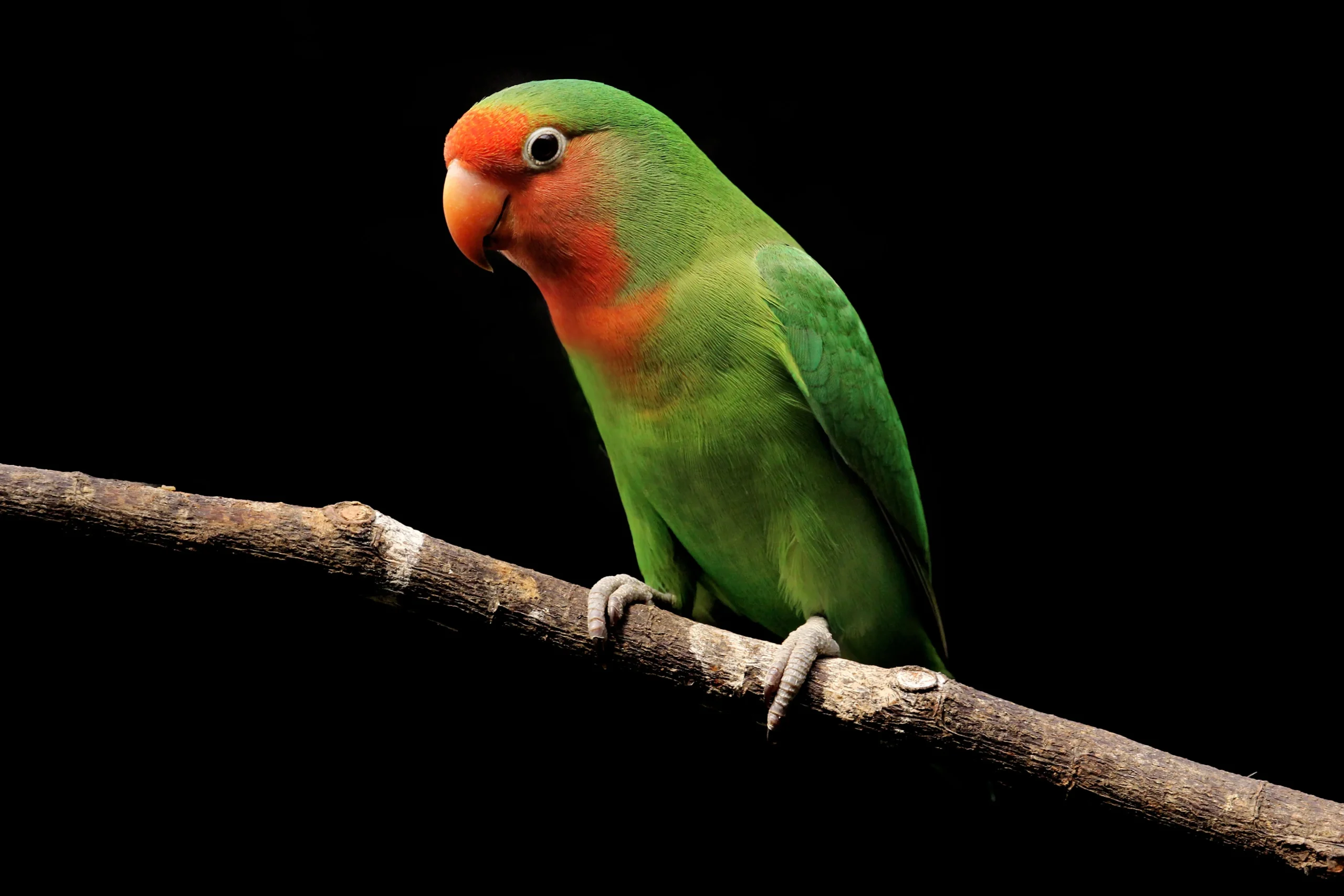
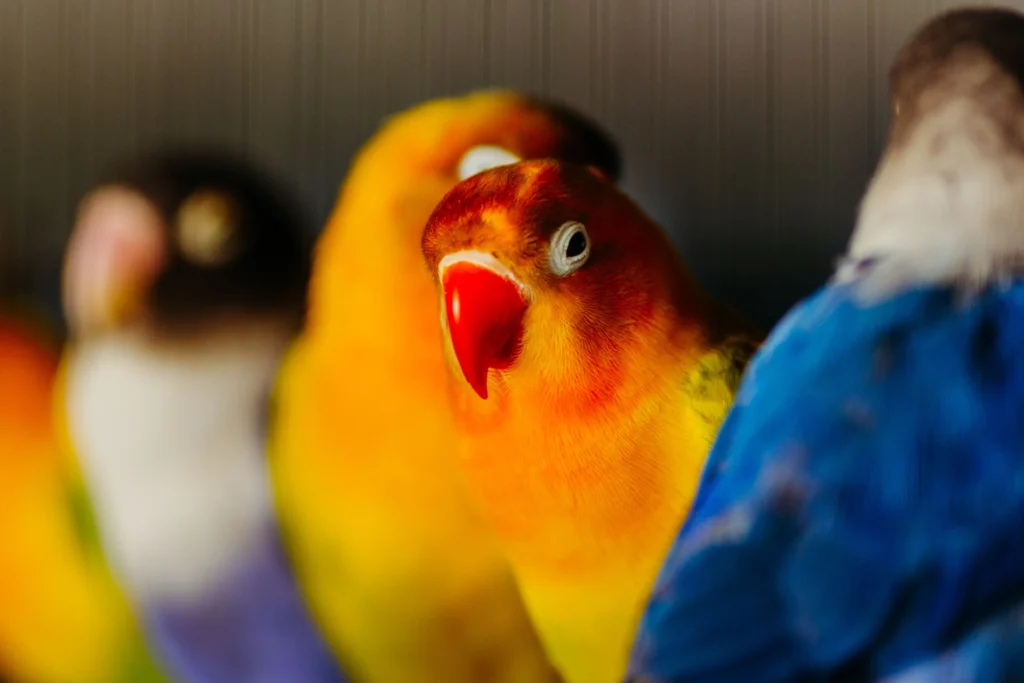
Popular pet bird choices include budgerigars (budgies), cockatiels, lovebirds, canaries, and larger parrots like African Greys. Each species has its own size, sound level, and care needs.
Why People Choose Pet Birds
Birds offer companionship without needing daily walks. They can be very affectionate. Many owners say their bird feels like a small, feathered family member.
Some birds also learn words and sounds. This makes them fun and interactive pets. Others are quieter and simply enjoy being near their owner.
Quick Facts Box
| Fact | Details |
| Common pet bird species | Budgies, cockatiels, lovebirds, canaries, African Greys |
| Average lifespan | Varies by species, often 5 to 20+ years |
| Space needed | A cage plus daily out-of-cage time |
| Noise level | Varies from quiet (canaries) to loud (larger parrots) |
| Best for | Both beginners and experienced bird owners, depending on species |
| Diet | Seeds, pellets, fresh fruit, and vegetables |
Key Characteristics and Care Needs
Most pet birds share a few basic needs. They need a safe cage and they need fresh food and water every day. They also need mental stimulation.
Birds are social animals. Many species do not do well left alone for long hours. They often want interaction with their owner every day.
Temperament Varies by Species
Some birds are calm and easygoing. Budgies and canaries tend to be gentle and quiet. Other birds, like some parrots, can be loud and demanding of attention.
Temperament can also depend on the individual bird. Two birds of the same species may act very differently. This can vary depending on the individual pet, so it’s best to observe and ask a breeder or rescue about a specific bird’s personality.
Space and Cage Setup
A bird’s cage should be large enough for it to stretch its wings. Bigger birds need bigger cages. The cage should also have perches and safe toys.
Cage placement matters too. Birds do best away from drafts and direct kitchen fumes. A calm corner of a living room often works well.
Quick Comparison Snapshot
| Option | Best For | Key Difference |
| Budgie | First-time owners | Small, quiet, easy to care for |
| Cockatiel | Families | Friendly and gentle, moderate size |
| Lovebird | Owners who want a bonded pair | Very social, can be nippy if lonely |
| African Grey | Experienced owners | Highly intelligent, needs lots of attention |
Birds That Make Good Pets
Birds that make good pets share a few traits. They tend to be calm around people. They also adjust well to life in a home.
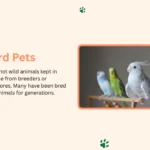
Budgies are often called the best starter bird. They are small, friendly, and easy to handle. They also do not need a huge amount of space.
Cockatiels are another great choice. They are gentle and enjoy being near their owners. Many cockatiels learn to whistle simple tunes.
Birds for Experienced Owners
Larger parrots, like African Greys and Amazon parrots, can also make wonderful pets. But they need more time, space, and training. These birds often do best with owners who have some bird experience already.
Canaries and finches are good for people who want a bird to watch and hear, rather than handle daily. They are lower-maintenance in terms of interaction needs.
Types of Birds for Pets
There are many types of birds for pets, each with its own personality. Knowing the main types helps you choose the right one for your home.
Small birds
include budgies, canaries, and finches. They are usually quiet and take up less space. They are a solid choice for apartments.
Medium birds
include cockatiels, lovebirds, and conures. They tend to be more interactive. Many enjoy time outside their cage with their owner.
Large birds
include African Greys, Amazon parrots, and cockatoos. These birds are very smart. They often need more toys, more space, and more daily attention.
Choosing by Household Type
Households with young kids may do better with a calm, small bird. Loud or large birds can be startled by noise, and their bites can be more painful.
Owners with more time at home may enjoy a bigger, more social bird. These birds often crave interaction throughout the day.
Pet Birds That Talk
Some pet birds can learn to say words and phrases. This is one of the most loved traits in a pet bird. Not every bird will talk, though.
African Grey parrots are well known for their talking ability. Many owners report their African Grey has a large vocabulary. Amazon parrots and budgies can also learn to talk.
Not Every Bird Will Talk
Talking ability can vary a lot between individual birds. Some birds in a “talking” species never speak a word. Others may only whistle or mimic sounds instead of words.
If talking is important to you, ask a breeder or rescue about a bird’s current sounds. But keep in mind, this can vary depending on the individual pet.
Pet Bird Food
Pet bird food should be balanced and fresh. Most vets recommend a diet based on high-quality pellets. Pellets often give birds more complete nutrition than seeds alone.
Fresh fruits and vegetables should also be part of the diet. Leafy greens, carrots, and small pieces of apple are common favorites. Always research which foods are safe, since some human foods are toxic to birds.
Foods to Avoid
Some foods are dangerous for birds. These include chocolate, avocado, caffeine, and alcohol. Never feed these to your bird.
Always check with your vet if you are unsure about a food. This helps keep your bird safe and healthy.
Daily Care Routine and How to Get Started
A good daily routine keeps your bird happy and healthy. Most birds need fresh food and water every day. They also need time outside the cage for exercise.
Here is a simple daily care checklist:
- Give fresh food and clean water each morning.
- Check the cage for cleanliness.
- Offer toys or puzzles for mental stimulation.
- Spend time talking to or handling your bird.
- Give at least one hour of supervised out-of-cage time.
Getting Started with a New Bird
Start with a species that matches your experience level. Set up the cage before bringing your bird home. Add safe perches, toys, and food dishes.
Give your new bird time to settle in. Birds can feel stressed by a new environment. Move slowly and let your bird come to you.
Cost Breakdown
Owning a bird comes with several costs. These include the bird itself, the cage, food, and toys. Vet visits are also part of ongoing costs.
Smaller birds like budgies tend to cost less overall. Larger parrots often cost more for food, cages, and vet care. Prices can vary a lot by location and species, so check with local breeders, rescues, or vets for current pricing.
Typical ongoing costs include:
- Food and treats
- Cage cleaning supplies
- Toys and perches
- Routine vet checkups
- Occasional vet care for illness or injury
Common Mistakes Pet Owners Make
Many new bird owners make the same few mistakes. Knowing them ahead of time can help you avoid them.
Choosing a bird based on looks alone. A bird’s personality and noise level matter more than its color for daily life.
Buying too small a cage. Birds need room to move, climb, and stretch their wings.
Skipping vet checkups. Birds are good at hiding illness. Regular checkups catch problems early.
Leaving a social bird alone too much. Many pet birds need daily interaction to stay happy.
Pros and Cons of Owning a Pet Bird
| Pros | Cons |
| Birds can be affectionate and bond closely | Some species can be loud |
| Many birds are small and don’t need a yard | Cages and supplies can be costly upfront |
| Some birds learn to talk or mimic sounds | Birds may need daily out-of-cage time |
| Birds can live a long time with good care | Some species need an experienced owner |
Similar Options and Alternatives
If a pet bird is not the right fit, there are other small pets to consider. Each one has different care needs.
| Option | Best For |
| Hamster | Owners who want a small, low-maintenance pet |
| Guinea pig | Families who want a gentle, social small pet |
| Rabbit | Owners with more space and time for daily care |
| Fish | Owners who want a calm, low-interaction pet |
When to Consult a Vet or Professional
Always talk to a licensed veterinarian before bringing a bird home. A vet can help you choose a healthy bird and set up proper care. They can also guide you on diet and cage setup.
Contact your vet right away if your bird stops eating, seems very quiet, or has ruffled feathers for a long time. These can be signs of illness in birds. Birds often hide sickness until it becomes serious, so early vet care matters.
Never try to diagnose or treat a sick bird on your own. Always rely on a licensed vet for any health or medication questions about your pet bird.
Fun Facts About Pet Birds
- Budgies are originally native to Australia.
- Some parrots can live for several decades with good care.
- African Greys are known for strong problem-solving skills.
- Many pet birds enjoy bathing in shallow water.
- Birds can recognize their owner’s voice and face.
- Cockatiels often whistle tunes they hear often at home.
- Some birds bond closely with just one person in the home.
- Bird toys help prevent boredom and stress.
Frequently Asked Questions
How to keep pet birds healthy and active?
Keep your bird’s cage clean and give fresh food daily. Offer toys that encourage movement and problem-solving. Give your bird time outside the cage each day for exercise. Regular vet checkups also help catch health problems early. A varied diet with pellets, fruits, and vegetables supports good health. Talking to your vet about your specific bird’s needs is the best way to build a healthy routine.
What are the best birds for pets?
The best birds for pets are usually calm, social, and easy to care for. Budgies and cockatiels are top picks for beginners. They are small, friendly, and don’t need too much space. Larger birds like African Greys can also make great pets, but they need more time and experience. The right choice depends on your home, schedule, and comfort level with bird care.
How to train a pet bird?
Start training with short, calm sessions. Use treats to reward good behavior, like stepping onto your hand. Keep sessions short so your bird does not get bored or stressed. Consistency matters more than speed. Some birds learn tricks or words over weeks or months. Every bird learns at its own pace, so patience is key. Avoid punishment, since it can damage trust with your bird.
How long do pet birds live?
Lifespan varies a lot by species. Small birds like budgies often live several years with good care. Larger parrots, like African Greys, can live for decades in some cases. This can vary depending on the individual bird, its diet, and its overall care. A vet can give you a better idea of expected lifespan for your specific bird.
Final Thoughts
Finding the best pet bird comes down to matching a species to your life. Think about your space, your schedule, and how much interaction you can offer. A small, quiet bird may suit a busy apartment. A larger, social bird may fit a home with more time to give.
Whatever bird you choose, focus on its health and happiness first. Give it good food, a safe cage, and daily attention. Talk to a licensed vet before bringing your bird home.
With the right care, a pet bird can become a loyal, loving part of your family for years to come.

Olivia Bennett is a pet care writer and animal wellness researcher who has spent more than 8 years creating practical content for pet owners. Her work focuses on dog and cat care, pet nutrition, training, grooming, behavior, and preventive health.
At Pet Wise Worlds (https://petwiseworlds.com/), Olivia researches trusted sources and transforms expert knowledge into easy-to-follow guides that help pet owners give their companions healthier and happier lives.