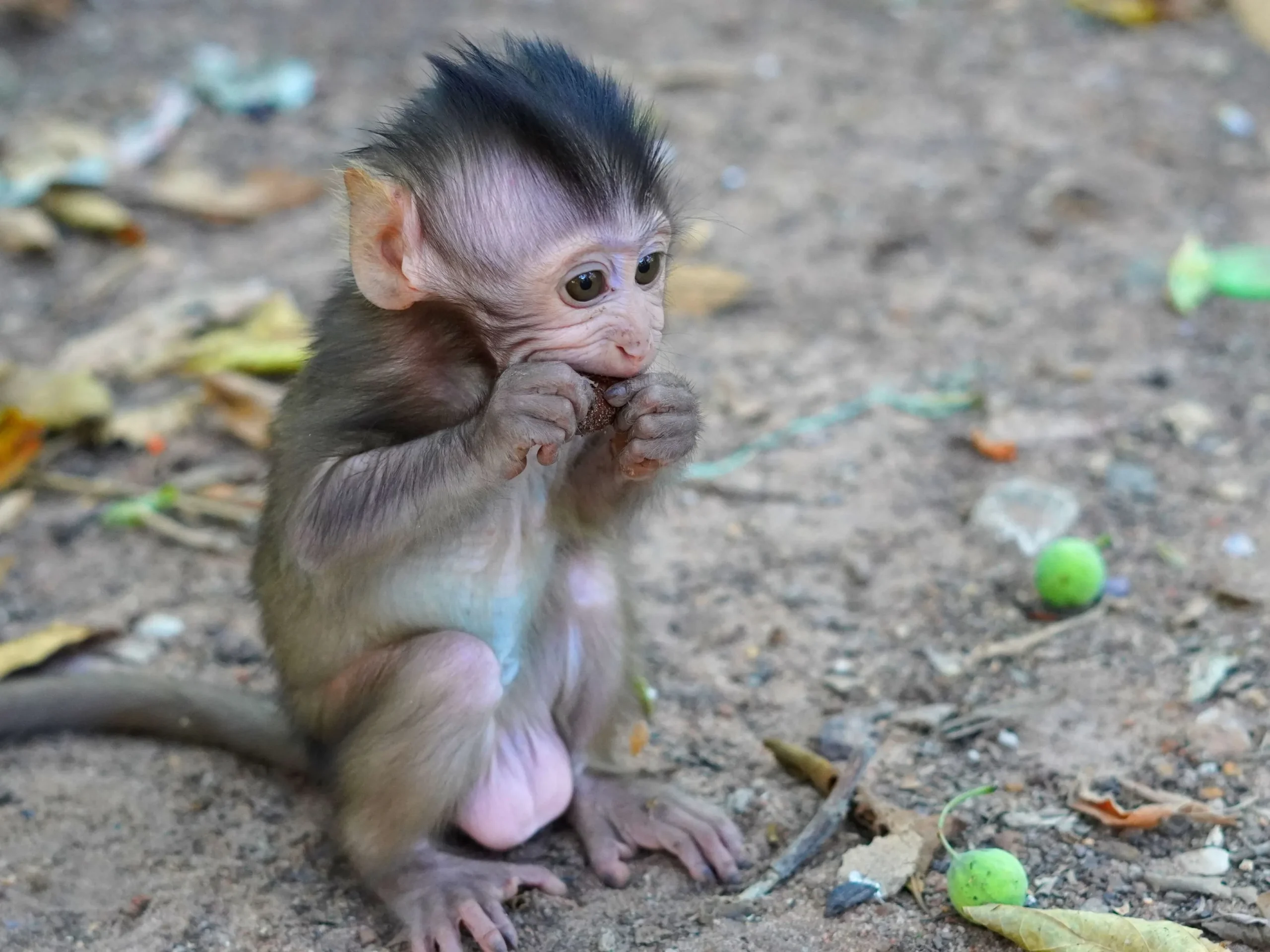
A pet small monkey is a primate, like a marmoset or capuchin, kept in a home instead of the wild. Small monkeys are not domesticated animals. They need specialized care, strict legal permits in most US states, and a lifelong commitment that can span decades. Most vets and welfare groups discourage keeping one without expert guidance.
Key Takeaways
- A pet small monkey is not a domesticated animal, even if it looks calm or friendly.
- Laws vary a lot by state. Many states ban private monkey ownership completely.
- Costs run high. Some species can cost thousands of dollars, plus ongoing care.
- Small monkeys can live 15 to 30 years or more, depending on species.
- Monkeys can carry diseases that spread to people, so hygiene and vet care matter a lot.
- Most animal welfare groups and exotic vets discourage private primate ownership for beginners.
Introduction
Many people search for a pet small monkey after seeing cute videos online. Small monkeys like marmosets look tiny and playful. This makes them seem like an easy, fun pet to own.
The reality is more complex. A pet small monkey is still a wild animal at heart. It doesn’t behave like a dog or cat, even after years in a home.
Interest in exotic pets has grown through social media trends. Some videos make monkey ownership look simple and joyful. These videos rarely show the full picture, though.
This guide covers the truth about owning a pet small monkey. That includes legal rules, daily care, cost, and safety concerns. It also covers why many experts advise against this kind of pet ownership for most people.
By the end, you’ll understand what a pet small monkey really needs. You’ll also know why this decision deserves serious thought before moving forward.
What Is a Pet Small Monkey?
A pet small monkey is a primate species kept as a companion animal in a private home. Common examples include marmosets, tamarins, and capuchins. These are not the same as domesticated pets like dogs or cats.
Small monkeys stay wild in behaviour, even when raised from birth in a home. They keep natural instincts like biting, climbing, and marking territory. Training can shape some behaviours, but it can’t remove these instincts.
Most small pet monkeys weigh under 10 pounds. Marmosets are among the smallest, often under a pound. Capuchins run larger, though still small compared to great apes.
Owning a pet small monkey is a serious, long-term responsibility. It’s very different from owning a typical household pet. Most exotic vets and animal welfare groups strongly caution against it for casual or first-time owners.
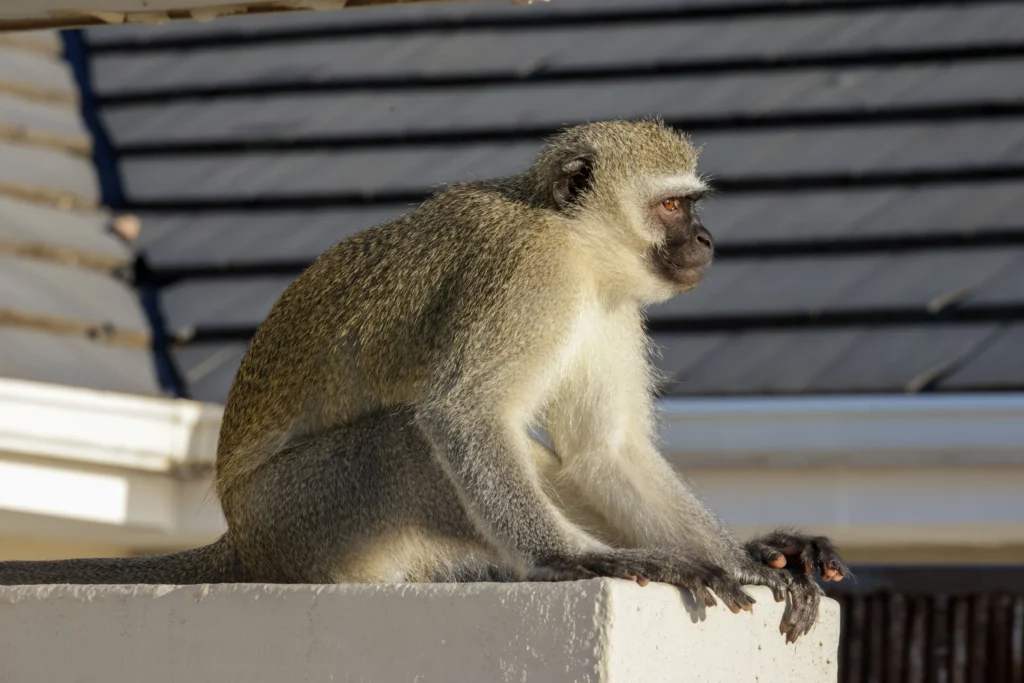
Quick Facts Box
| Fact | Details |
| Common Pet Species | Marmoset, tamarin, capuchin, squirrel monkey |
| Average Size | Under 1 pound (marmoset) to 8 pounds (capuchin) |
| Average Lifespan | 15 to 30+ years, depending on species |
| Diet | Fruit, insects, tree sap, and specialized primate diets |
| Legal Status | Varies widely by state; many states restrict or ban ownership |
| Estimated Cost | $1,500 to $7,000+ depending on species |
| Beginner Friendly | No, most experts advise against it for beginners |
| Zoonotic Risk | Yes, some species can carry diseases spread to humans |
Where Does Pet Monkey Ownership Come From?
People have kept primates as companions for a very long time. Wealthy households in ancient civilizations sometimes kept small monkeys as status symbols. This tradition continued in different forms across many cultures.
Modern primate ownership in the US grew through the exotic pet trade. Breeders began raising species like marmosets and capuchins for private homes. Over time, more research showed the health and safety risks involved.
This shift in understanding led many states to add new rules. Some states banned ownership entirely. Others created permit systems to track and regulate primate owners more closely.
Key Characteristics and Care Needs
Small pet monkeys need far more than food and a cage. They need social interaction, mental stimulation, and specialized housing. Without this, monkeys can develop serious behavior problems.
Social and Emotional Needs
Monkeys are social animals in the wild. They live in groups and rely on constant interaction. A monkey kept alone can become stressed, anxious, or aggressive over time.
Physical Space Requirements
Small monkeys need large, secure enclosures with room to climb and move. A basic cage isn’t enough for long-term wellbeing. Many owners build outdoor enclosures in addition to indoor space.
Diet Complexity
Most small monkeys need a varied diet. This often includes fruit, vegetables, insects, and specialized primate pellets. Getting this balance wrong can lead to serious health problems over time.
Quick Comparison Snapshot
| Option | Best For | Key Difference |
| Marmoset | Experienced exotic owners with permits | Smallest size, but very social and needs a companion |
| Capuchin | Highly experienced, licensed keepers | Longer lifespan, strong grip, needs large space |
| Squirrel Monkey | Sanctuary or licensed facility settings | Very active, needs a big social group to thrive |
| Tamarin | Experienced primate keepers only | Similar needs to marmosets, sensitive to stress |
Small Monkey as a Pet
Keeping a small monkey as a pet means taking on a wild animal’s full needs for its entire life. This isn’t a casual decision like adopting a hamster or a fish. It affects your home, your schedule, and your legal standing for decades.
A small monkey as a pet needs daily social time. It also needs a controlled diet, a large enclosure, and regular vet visits with an exotic specialist. Skipping any of these can harm the animal’s health.
Many people underestimate this commitment early on. A young monkey may seem easy to manage. As it matures, natural wild behaviours often become much harder to handle safely.
This can vary depending on the individual animal and species, so it’s smart to speak with an exotic vet and a licensed primate breeder before deciding.
Types of Small Monkeys for Pets
A few small monkey species show up most often in the US pet trade. Each one comes with its own size, needs, and legal restrictions.
Marmosets
Marmosets are among the smallest monkeys kept as pets. They’re social, vocal, and bond closely with a group. They need a companion marmoset in most cases, since solitary life causes them stress.
Capuchins
Capuchins are known for their intelligence and strong grip. They live a long time, often 25 to 30 years or more. Their strength and problem-solving skills require careful, experienced handling.
Tamarins
Tamarins are close relatives of marmosets. They’re small, active and need a similar diet and social setup. Like marmosets, tamarins do best with a companion of their own kind.
Squirrel Monkeys
Squirrel monkeys are very active and need a lot of space. In the wild, they live in large groups. This makes solo life in a typical home especially hard on them.
Small Monkey Species as Pets – Care Differences
Even among small monkeys, care needs vary a lot by species. Size, diet, and social structure all shift depending on the type of monkey. Picking the wrong species for your setup can lead to serious welfare problems.
Marmosets and tamarins tend to need less physical space than capuchins. They still need a companion animal, though, which adds cost and complexity. Capuchins need more space but can sometimes tolerate more solo time, though this isn’t ideal either.
Diet also shifts by species. Marmosets rely more on tree sap and insects in the wild. Capuchins eat a broader mix of fruit, nuts, and small prey. Getting this wrong at home can lead to nutrition problems over time.
This can vary depending on the individual monkey’s background and health, so a specialized primate vet should always guide the diet and housing plan.
Small Monkey Pets – What Daily Life Really Looks Like
Owning small monkey pets involves far more daily work than most people expect. Mornings often start with feeding, cleaning, and social interaction time. Evenings may need more of the same routine.
Many monkeys form very strong bonds with one person. This can create jealousy or stress around other family members or visitors. Some owners report their monkey becoming harder to manage after reaching sexual maturity.
Because of these challenges, many primates end up in sanctuaries later in life. Rescue groups often report owners underestimating the long-term behavior changes that come with maturity. This is one reason many exotic vets recommend visiting a sanctuary first, before deciding to bring one home.
Daily Care Routine and How to Get Started
Getting started with a pet small monkey takes far more planning than most pets. Legal steps come first, followed by housing, then a long adjustment period. Rushing any step can put the animal at risk.
Legal Steps First
Check your state, county, and city laws before anything else. Some states require a USDA license or exotic animal permit. Homeowners associations may also have their own rules.
Setting Up the Enclosure
Build a large, secure enclosure with climbing structures. Include both indoor and outdoor access if your climate allows. Work with an exotic animal specialist to plan the space correctly.
Building a Feeding and Care Routine
Set a consistent daily schedule for feeding, cleaning, and interaction. Monkeys do best with routine and predictability. Sudden changes can cause stress and behavior issues.
Finding the Right Vet
Locate an exotic or primate vet before bringing a monkey home. Not all vets treat primates, so this step matters early. Regular checkups help catch health problems before they get serious.
Cost Breakdown
A pet small monkey costs far more than most household pets. The upfront price is only part of the picture.
| Item | Estimated Cost |
| Marmoset or tamarin (from licensed breeder) | $1,500–$4,000 |
| Capuchin monkey | $5,000–$7,000+ |
| Enclosure and housing setup | $1,000–$5,000+ |
| Permits and licensing fees | Varies by state |
| Specialized diet (monthly) | $100–$300+ |
| Exotic vet visits | Often higher than standard vet costs |
This can vary a lot depending on the species, your state’s permit fees, and local breeder pricing. It’s smart to research exact current costs in your area before moving forward.
Common Mistakes Pet Owners Make
People considering a pet small monkey often make the same avoidable mistakes. Knowing them early can prevent serious harm to the animal.
- Skipping the legal research: Buying a monkey before checking state and local laws can lead to the animal being seized.
- Underestimating adult behavior: A calm baby monkey can become much harder to manage as an adult.
- Keeping a monkey alone: Many species need a companion of their own kind to stay mentally healthy.
- Using an undersized enclosure: A small cage doesn’t meet a monkey’s need for space and climbing.
- Skipping specialized vet care: Regular vets often aren’t trained to treat primates properly.
Pros and Cons
| Pros | Cons |
| Highly intelligent, engaging animal | Illegal or restricted in most US states |
| Strong social bond with dedicated owners | High cost for purchase, housing, and care |
| Unique, rare pet-ownership experience | Long lifespan means decades of commitment |
| Can thrive with expert-level care | Zoonotic disease risk to humans |
| — | Adult behavior can become unpredictable |
Similar Breeds and Alternatives
| Option | Best For |
| Sugar Glider | Owners who want a small, social exotic mammal with lower legal restrictions |
| Ferret | Owners who want a playful, curious pet with easier legal access |
| Chinchilla | Owners who want a low-noise, small exotic mammal |
| Parrot | Owners who want a highly social, intelligent pet with a long lifespan |
When to Consult a Vet or Professional
Always work with a licensed exotic or primate vet before bringing a small monkey into your home. They can review your setup, diet plan, and local legal requirements. This step should happen before, not after, you bring a monkey home.
Contact a vet right away if a monkey shows sudden aggression, refuses food, or seems unusually withdrawn. These signs can point to stress, illness, or an unmet care need. Primates can also hide illness well, so regular checkups matter even without obvious symptoms.
Never attempt to treat, sedate, or handle a health issue on your own. Primate medicine is highly specialized. A licensed exotic vet is the only safe source for diagnosis and treatment.
Fun Facts About Small Pet Monkeys
- Marmosets often give birth to twins, which is common for the species.
- Capuchins are known for using simple tools, like rocks to crack nuts, in the wild.
- Squirrel monkeys are named for their small size and quick, squirrel-like movements.
- Some monkey species communicate using dozens of distinct vocal calls.
- Tamarins often groom each other as a way to build social bonds.
- Many small monkey species are most active during the day, unlike some other exotic pets.
- The Convention on International Trade in Endangered Species (CITES) regulates international trade of many primate species.
Frequently Asked Questions
Is it legal to own a pet monkey?
There’s no single answer, since laws vary a lot by state. Some states allow private monkey ownership with a permit. Others ban it completely, including popular states like California and New York.
Local city, county, and homeowners association rules can add more restrictions on top of state law. Even in states where it’s allowed, the process often needs a formal exotic animal license. Always check current state, county, and city laws directly before considering ownership, since rules can change.
What is the best small monkey to have as a pet?
There’s no single “best” choice, since every small monkey species comes with serious care needs. Marmosets are among the smaller, more commonly kept species by experienced, licensed owners. Even so, most exotic vets don’t recommend any monkey species for casual ownership.
The right fit depends on your experience level, available space, and local laws. A licensed breeder or exotic vet can help match care ability to a specific species. This decision should never be made based on size or appearance alone.
Are small monkeys good pets for beginners?
Most exotic vets and animal welfare groups say no. Small monkeys need expert-level care, even the smaller species. Their social, dietary, and behavioral needs are complex compared to typical pets.
Beginners often underestimate how much daily time and space a monkey needs. Adult behavior can also shift in ways that surprise new owners. Many experts recommend years of exotic animal experience, ideally with mentorship, before considering primate ownership at all.
How long do pet monkeys live?
Lifespan depends heavily on the species. Marmosets often live 10 to 15 years, while capuchins can live 25 to 30 years or longer with good care. This is a much longer commitment than most household pets.
A long lifespan means a monkey may outlive some owners’ living situations or life stages. This can vary depending on the individual animal’s health and care quality. Anyone considering a pet small monkey should plan for decades of consistent care, not just the first few years.
Are pet monkeys dangerous to humans?
Small monkeys can bite, scratch, and become unpredictable as they mature. Some species can also carry diseases that spread to people through bites or close contact. This risk is one major reason many states restrict or ban private ownership.
Proper hygiene, vet care, and safe handling practices help lower these risks. Even with careful management, though, monkeys remain wild animals with natural defensive instincts. A licensed exotic vet can offer guidance specific to your situation.
Final Thoughts
A pet small monkey might look charming online, but real ownership involves far more responsibility than most people expect. Legal restrictions, high costs, and complex daily care make this one of the most demanding pet choices out there.
Small monkeys stay wild animals at heart, even after years in a home. Their needs for space, social contact, and specialized diets don’t disappear with age. This is why so many experts recommend research, mentorship, and honest self-reflection before moving forward.
If you’re drawn to primates, consider starting with visits to accredited sanctuaries or licensed facilities. This lets you learn from experienced keepers first. Whatever you decide, the animal’s wellbeing should always come first.

Ethan Brooks is an animal behavior writer and pet education specialist with over 9 years of experience producing informative content for pet owners. He enjoys writing about pet behavior, nutrition, training techniques, and responsible pet ownership for dogs, cats, birds, rabbits, reptiles, and other companion animals.
Through Pet Wise Worlds (https://petwiseworlds.com/), Ethan shares well-researched articles designed to help families better understand and care for their pets using reliable, practical information.