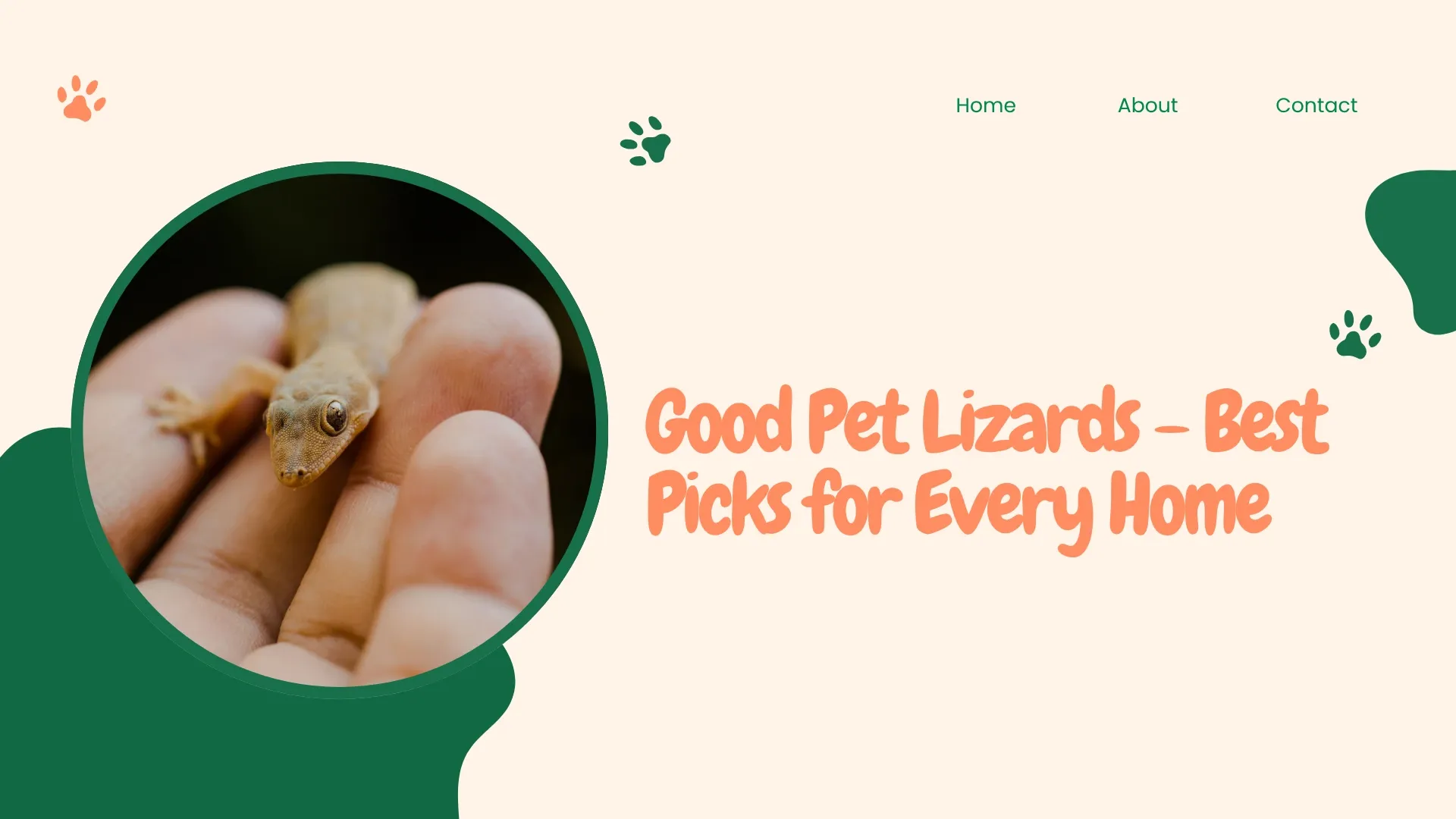
Good pet lizards are species that stay calm around people, need simple care, and thrive in a home tank. Leopard geckos, bearded dragons and crested geckos top most beginner lists. They eat easy diets and don’t need huge space. With the right setup, they make gentle, low-noise pets for new and experienced owners alike.
Key Takeaways
- Good pet lizards include leopard geckos, bearded dragons, and crested geckos.
- Most beginner lizards do well in a 20 to 40 gallon tank.
- Diets range from insects to fruit, veggies, and pellets.
- Starter setups often cost $200 to $500 before ongoing food costs.
- A reptile vet checkup helps catch health issues early.
- Some pet lizards can live 10 to 20 years, so this is a long commitment.
Introduction
Many new pet owners search for good pet lizards because dogs and cats need more time and space. Lizards can fit small apartments. They don’t bark or need daily walks.
Some people want a pet that feels a bit exotic. Others just want something quiet and easy to feed. Reptile ownership has grown steadily as more first-time owners look past cats and dogs.
Picking the right lizard matters a lot. Some species stay calm and easy to handle. Others need expert-level care and don’t like being touched.
This guide walks through the best lizard choices for pet owners. It covers care needs, costs, and common mistakes. By the end, you’ll know which lizard fits your home and daily routine.
What Are Good Pet Lizards?
Good pet lizards are species bred for calm temperaments and simple care routines. They tolerate gentle handling. They eat predictable diets and don’t need constant expert attention.
Popular examples include the leopard gecko, bearded dragon, and crested gecko. These three show up on almost every beginner list. Each one has a different look and personality, but all three stay manageable for new owners.
Blue-tongue skinks and Ackie monitors also make the list for slightly more experienced keepers. They need a bit more space and handling know-how. Still, both species can become friendly, food-motivated pets over time.
Not every lizard fits this description. Green iguanas and large monitor lizards grow fast and need advanced care. They aren’t a good match for a first-time reptile owner.
Quick Facts Box
| Fact | Details |
| Common beginner species | Leopard gecko, bearded dragon, crested gecko |
| Average tank size | 20 to 40 gallons for most beginner species |
| Typical lifespan | 10 to 20 years, depending on species |
| Diet type | Insects, greens, fruit, or commercial pellets |
| Starter cost | Around $200 to $500 |
| Handling level | Low to moderate, depending on species |
| Housing type | Glass or PVC terrarium with heat and light |
Key Characteristics and Care Needs
Good pet lizards share a few key traits. They tolerate a stable indoor tank and eat a set diet without much fuss. They also stay calm enough for gentle daily handling.
Most beginner lizards need a heat lamp and a cool side of the tank. This lets them move between warm and cool spots. It’s called a temperature gradient, and it helps the lizard control its body heat.
Temperament Differences
Leopard geckos tend to be shy but gentle. Bearded dragons often enjoy handling and can seem almost dog-like in their curiosity. Crested geckos can be a bit jumpy, so slow movements work best.
Space and Setup Needs
Most beginner species do fine in a single tank their whole life. Bearded dragons need more floor space as adults. A 40-gallon tank often works well for a full-grown bearded dragon.
Quick Comparison Snapshot
| Option | Best For | Key Difference |
| Leopard Gecko | First-time owners | Low handling needs, no UVB light required |
| Bearded Dragon | Owners who want interaction | Enjoys handling, needs UVB lighting |
| Crested Gecko | Small apartments | Doesn’t need heat lamps in most homes |
| Blue-Tongue Skink | Owners wanting a bigger lizard | Larger size, very food-motivated |
Lizards Good for Pets – What Makes Them Beginner-Friendly
Lizards good for pets share a few traits that make daily care simple. They eat predictable food and tolerate a set routine but don’t need constant supervision like some other exotic pets.
These species also handle small variations in temperature or feeding time without getting sick right away. This gives new owners some room to learn. Still, consistent care always works best for a healthy lizard.

Great Pet Lizards for First-Time Owners
Great pet lizards for beginners include the leopard gecko and crested gecko. Both species stay small. Neither one needs a giant enclosure or complex lighting setup.
Leopard geckos don’t need UVB lighting in most basic setups, though many keepers add it for extra health benefits. Crested geckos eat a simple fruit-based diet sold at most pet stores. This makes daily feeding fast and easy.
Cool Pet Lizards With Unique Looks
Some lizards stand out because of how they look. Crested geckos come in bright colors and patterns. Their fringed eyelashes give them a unique face.
Bearded dragons get their name from the spiky “beard” under their chin. It puffs up when they feel threatened or excited. Blue-tongue skinks show off a bright blue tongue when they open their mouth, which makes them memorable pets.
Best Lizard for Pet Owners With Limited Space
The crested gecko often works best for small apartments. It stays under eight inches long as an adult. A 20-gallon tall tank gives it plenty of room to climb.
Leopard geckos also fit tight spaces well. They stay on the ground instead of climbing, so a wide, low tank works better than a tall one.
Best Lizards to Have as Pets for Families With Kids
Bearded dragons often work well for families. They tend to stay calm during handling. Kids can watch them eat, bask, and explore their tank.
Adults should always supervise young kids during handling time. Lizards can move fast or feel startled by sudden movement. Gentle, slow handling keeps both the lizard and the child safe.
Daily Care Routine and How to Get Started
A good daily routine keeps a pet lizard healthy and calm. Most species need a quick check each morning and evening. This helps owners spot problems early.
Morning Checklist
- Check the tank temperature on both the warm and cool sides.
- Refill the water dish with clean water.
- Look for signs of shedding or skin issues.
Evening Checklist
- Offer food based on the species’ diet needs.
- Turn off basking lights if the species needs a dark night cycle.
- Spot-clean any waste in the tank.
Getting Started as a New Owner
Before bringing a lizard home, set up the full tank first. Let the temperature settle for a day or two. This makes the move less stressful for the lizard.
Buy from a reputable breeder or store when possible. Ask about the lizard’s age, diet, and any health history. This gives a stronger start for both the pet and the new owner.
Cost Breakdown
Starting costs vary by species and setup size. A basic tank, heat lamp, and hides can run $150 to $300. Add substrate, food dishes, and a thermometer, and total startup costs often land between $200 and $500.
Monthly costs stay fairly low for most species. Feeder insects, greens, or pellets often cost $15 to $40 a month. Electricity for heat lamps adds a small amount to monthly bills too.
Vet visits add to yearly costs. A reptile-experienced vet checkup can range widely by location. This can vary depending on the individual pet, so it’s best to confirm exact pricing with a local reptile vet.
Common Mistakes Pet Owners Make
New owners often make a few avoidable mistakes. These mistakes can hurt a lizard’s health over time. Learning them early helps prevent stress for both pet and owner.
- Skipping a proper temperature gradient. A tank that’s too hot or too cold can stress a lizard’s body.
- Feeding the wrong diet. Some species need live insects, while others need mostly greens or fruit.
- Handling too soon. New lizards often need a few days to settle before regular handling starts.
- Ignoring UVB needs. Some species need UVB lighting for healthy bone growth.
- Choosing too small a tank. Adult lizards often outgrow starter tanks and need an upgrade.
Pros and Cons
| Pros | Cons |
| Low noise, no barking or meowing | Needs specific heat and light setup |
| Fits small living spaces | Some species live 15+ years |
| Simple, predictable diets | Startup costs can add up |
| Doesn’t need daily walks | Requires consistent temperature control |
| Great for allergy-sensitive homes | Not all species enjoy handling |
Similar Breeds and Alternatives
| Option | Best For |
| Ball Python | Owners who prefer snakes over lizards |
| Corn Snake | Beginners wanting a calm, easy-care snake |
| Musk Turtle | Owners who want an aquatic pet |
| Ackie Monitor | Experienced keepers wanting an active lizard |
| Gargoyle Gecko | Owners who like crested gecko-style care |
When to Consult a Vet or Professional
A reptile vet visit helps catch problems before they get serious. New owners should schedule a checkup soon after bringing a lizard home. This gives a healthy baseline for future visits.
Watch for warning signs between checkups. Loss of appetite, unusual lethargy, or trouble shedding can signal a health issue. Sunken eyes or swelling near the joints also need quick attention.
Always talk to a licensed veterinarian for diagnosis or treatment. Never guess at medication or dosage for a reptile. A vet trained in exotic pets gives the safest, most accurate care plan for your lizard.
Fun Facts
- Leopard geckos can drop their tail if they feel threatened, then slowly regrow it over time.
- Bearded dragons can change their skin color slightly based on temperature and mood.
- Crested geckos were once thought extinct until they were rediscovered in the wild in the 1990s.
- Some lizard species can go without food for several days without harm.
- Blue-tongue skinks flash their tongue as a defense move to startle predators.
- Many pet lizards shed their skin in patches instead of all at once.
- Geckos can walk on smooth surfaces like glass thanks to tiny hair-like structures on their toes.
Frequently Asked Questions
Which Pet Lizards Are Easy to Care For?
Leopard geckos, crested geckos, and bearded dragons rank among the easiest pet lizards. They eat predictable diets and tolerate a simple tank setup. None of them need constant handling to stay healthy.
Their care routines stay fairly consistent day to day. This makes them a good fit for owners with busy schedules. Still, every lizard needs regular tank checks and a set feeding routine to stay healthy long term.
What Are the Easiest Lizards to Keep as Pets?
The leopard gecko often ranks as the single easiest lizard to keep. It doesn’t need UVB lighting in most basic setups and eats a simple insect diet. Its calm, ground-dwelling nature also makes daily care simple.
Crested geckos come in close behind. They eat a fruit-based powder diet mixed with water, which removes the need to manage live insects at every meal.
Which Small Lizards Make the Best Pets?
Small lizards work well for owners with limited space or a first-time reptile setup. Crested geckos and leopard geckos both stay under 10 inches long as adults. Both fit comfortably in a 20-gallon tank.
Anole lizards also stay small, though they can be more skittish and less handling-friendly. This can vary depending on the individual lizard, so patience matters during the first few weeks.
How Do You Choose the Right Pet Lizard for Your Home?
Start by thinking about space, time, and handling preference. A busy household may prefer a low-maintenance species like a leopard gecko. A family that wants daily interaction may lean toward a bearded dragon.
Also consider your climate and home setup. Some species need more precise heat control than others. Talking to a reptile-savvy pet store or breeder can help match a species to your specific home.
Do Pet Lizards Need Special Lighting?
Many species need UVB lighting to process calcium correctly. Bearded dragons need strong UVB exposure daily. Leopard geckos and crested geckos often need less, but many keepers still provide low-level UVB for extra safety.
Always check species-specific lighting needs before setup. A reptile vet or reputable care guide can confirm the right lighting for your specific lizard.
Final Thoughts
Good pet lizards can bring a calm, low-noise companion into almost any home. Leopard geckos, bearded dragons, and crested geckos remain the top picks for new owners. Each one offers a different mix of personality, size, and care needs.
Success comes down to setup and consistency. A stable tank, the right diet, and regular vet checkups keep a pet lizard healthy for years. Take time to research each species before bringing one home.
With the right prep, a pet lizard can become a rewarding, long-term companion. Slow and steady care wins here. Your future lizard will thank you for it.

Ethan Brooks is an animal behavior writer and pet education specialist with over 9 years of experience producing informative content for pet owners. He enjoys writing about pet behavior, nutrition, training techniques, and responsible pet ownership for dogs, cats, birds, rabbits, reptiles, and other companion animals.
Through Pet Wise Worlds (https://petwiseworlds.com/), Ethan shares well-researched articles designed to help families better understand and care for their pets using reliable, practical information.