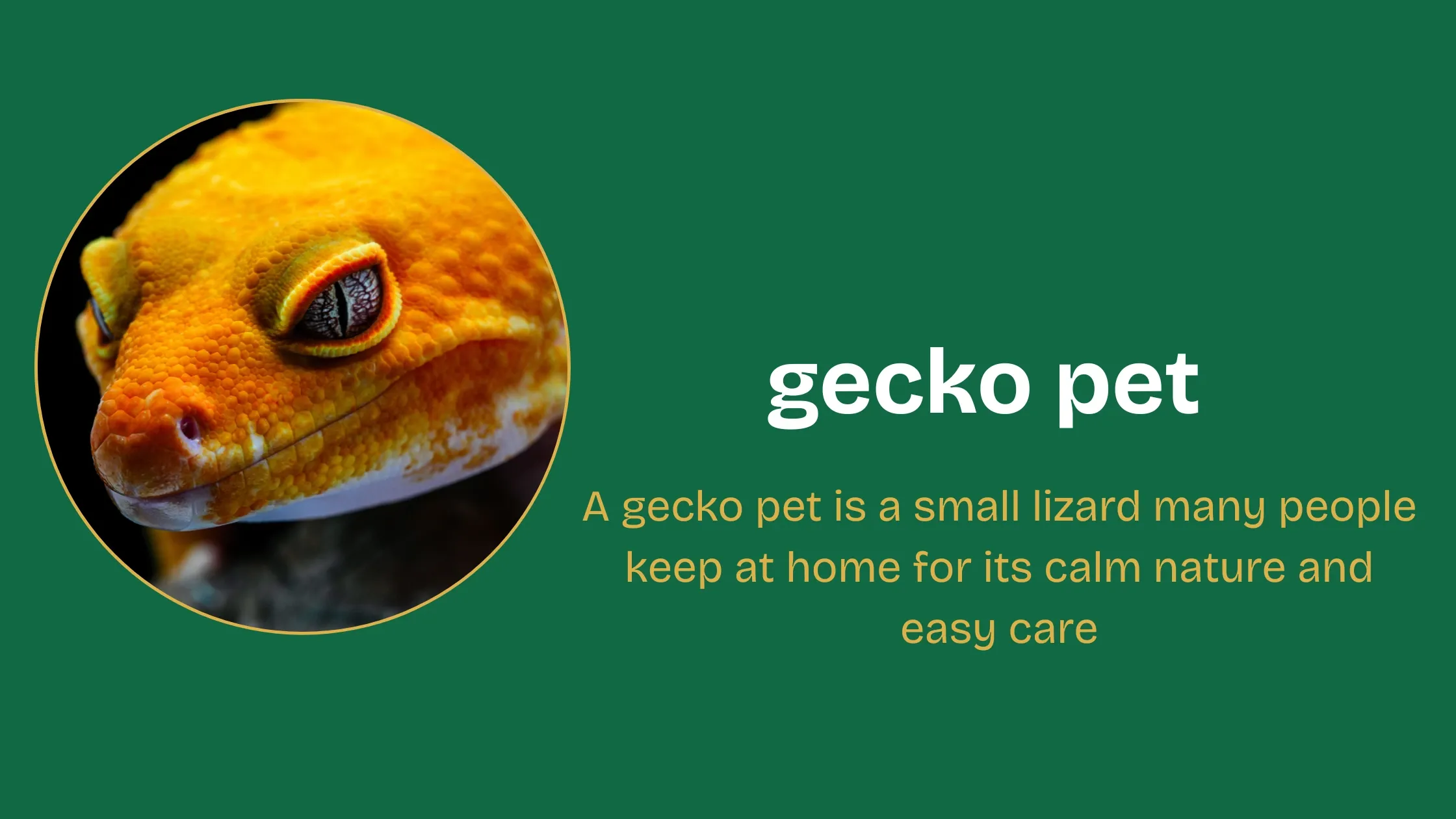
A gecko pet is a small lizard many people keep at home for its calm nature and easy care. Most pet geckos, like leopard geckos and crested geckos, do well in a simple tank setup. They need low upkeep compared to dogs or cats. This makes a gecko pet a popular choice for first-time reptile owners.
Key Takeaways
- A gecko pet is a small, low-maintenance lizard that suits beginners and busy pet owners.
- Most geckos live happily in a 10 to 20-gallon tank with the right heat and humidity.
- Geckos eat live insects like crickets and mealworms, not fruits or vegetables.
- Many pet geckos live 10 to 20 years with good care.
- Starting costs run higher than food costs, mostly due to tank setup and lighting.
- Always check with an exotic vet if your gecko stops eating or looks sick.
Introduction
Many people search for a gecko pet because they want an easy, quiet animal to care for. Geckos don’t bark. They don’t need daily walks. They also don’t take up much space in a home.
Interest in pet reptiles has grown a lot in recent years. Reptile forums and pet care communities often mention geckos as a top pick for beginners. Part of the appeal is how calm and low-stress geckos can be once they settle into their tank.
Still, a gecko pet is not a “no effort” pet. It needs the right heat, the right food, and the right tank setup to thrive. Skipping these steps can hurt the gecko’s health.
This guide walks through everything a new owner needs to know. That includes types of geckos, daily care, cost, common mistakes, and safety tips. By the end, you’ll know if a gecko pet is the right fit for your home.
What Is a Gecko Pet?
A gecko pet is a small lizard kept in a home tank as a companion animal. Geckos belong to a large family of lizards found around the world. Many species adapt well to life in captivity.
Pet geckos come in many colors and patterns. Some have soft, smooth skin. Others have small bumps or crests. Most pet geckos are gentle and rarely bite.
Popular pet geckos include the leopard gecko, the crested gecko, and the gargoyle gecko. Each type has its own look and care needs. Some are more active at night. Others move around during the day too.
A gecko pet fits well in small homes and apartments. It doesn’t need a yard. It doesn’t need daily exercise outside its tank. This makes it a solid option for renters or first-time reptile owners.
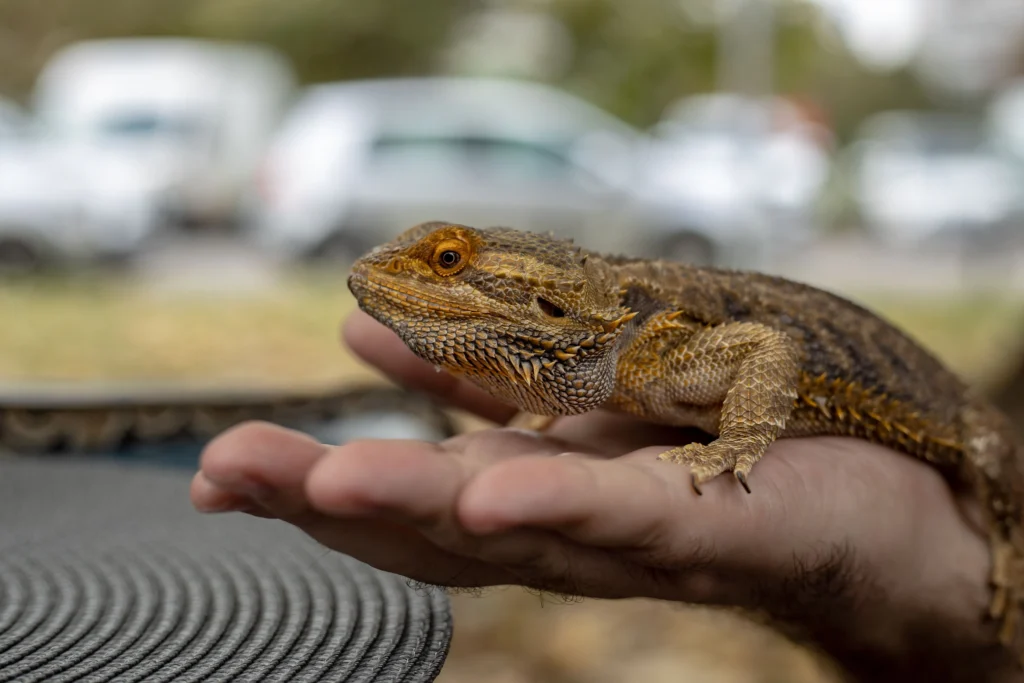
Quick Facts Box
| Fact | Details |
| Common Pet Species | Leopard gecko, crested gecko, gargoyle gecko |
| Average Size | 6 to 10 inches, depending on species |
| Average Lifespan | 10 to 20 years with good care |
| Diet | Live insects like crickets and mealworms |
| Tank Size | 10 to 20 gallons for one adult gecko |
| Activity Pattern | Mostly active at night (nocturnal) |
| Handling Level | Low to moderate; varies by species |
| Beginner Friendly | Yes, especially leopard and crested geckos |
Key Characteristics and Care Needs
Pet geckos share a few traits that make them easier to care for than many other reptiles. Most stay small. Most stay calm once they feel settled in their tank.
Size and Temperament
Most pet geckos grow between 6 and 10 inches long, including the tail. They tend to be gentle and slow-moving. Sudden noise or rough handling can stress them out, so a quiet space works best.
Habitat Needs
Geckos need a tank with the right temperature range. Most species also need a humid hide spot to help with shedding. A screen or mesh lid keeps the tank secure and lets air flow through.
Feeding Behavior
Most pet geckos eat live insects. They hunt by sight and often wait for the bug to move before striking. This hunting instinct makes feeding time an interesting part of daily care.
Quick Comparison Snapshot
| Option | Best For | Key Difference |
| Leopard Gecko | Total beginners | Ground-dwelling, easy handling, no misting needed |
| Crested Gecko | Hands-off owners | No heat lamp required, arboreal, semi-humid setup |
| Gargoyle Gecko | Owners who want a bigger gecko | Larger size, bumpy head texture, similar care to crested |
| African Fat-Tailed Gecko | Owners who like leopard-style care | Similar to leopard gecko, slightly more humidity needed |
Types of Geckos Pets
Not all pet geckos need the same setup. Knowing the differences helps new owners pick the right one for their home.
Leopard Gecko
The leopard gecko is one of the most common pet geckos. It has spotted skin and a thick tail. It lives on the ground and rarely climbs.
Leopard geckos don’t need high humidity. They also handle gentle touch fairly well once they trust their owner. This makes them a top pick for first-time reptile owners.
Crested Gecko
The crested gecko has small spikes above its eyes. It climbs a lot and likes tall tanks with branches. Crested geckos don’t need a heat lamp in most home settings, since they do well at room temperature.
Gargoyle Gecko
The gargoyle gecko looks similar to the crested gecko but grows a bit larger. It has a bumpy, textured head. Its care needs are close to the crested gecko’s needs.
African Fat-Tailed Gecko
This gecko looks like a leopard gecko with a shorter, thicker tail. It needs slightly more humidity than a leopard gecko. It also tends to be calm and easy to handle.
This can vary depending on the individual gecko, so it’s smart to research the exact species you plan to bring home before buying supplies.
Pet Gecko Lifespan
A pet gecko can live a long time compared to many small pets. Most healthy geckos live between 10 and 20 years.
Leopard geckos often live 15 to 20 years in captivity with good care. Crested geckos tend to live 10 to 15 years, though some live longer. This range depends on diet, tank setup, and general health.
A long lifespan means a gecko pet is a long-term commitment. It’s not a short-term pet like some small rodents. Owners should think about this before bringing one home.
Good husbandry plays a big role in how long a gecko lives. This includes proper heat, clean water, and a stress-free tank. This can vary depending on the individual pet, so it’s best to confirm species-specific expectations with an exotic vet or reptile specialist.
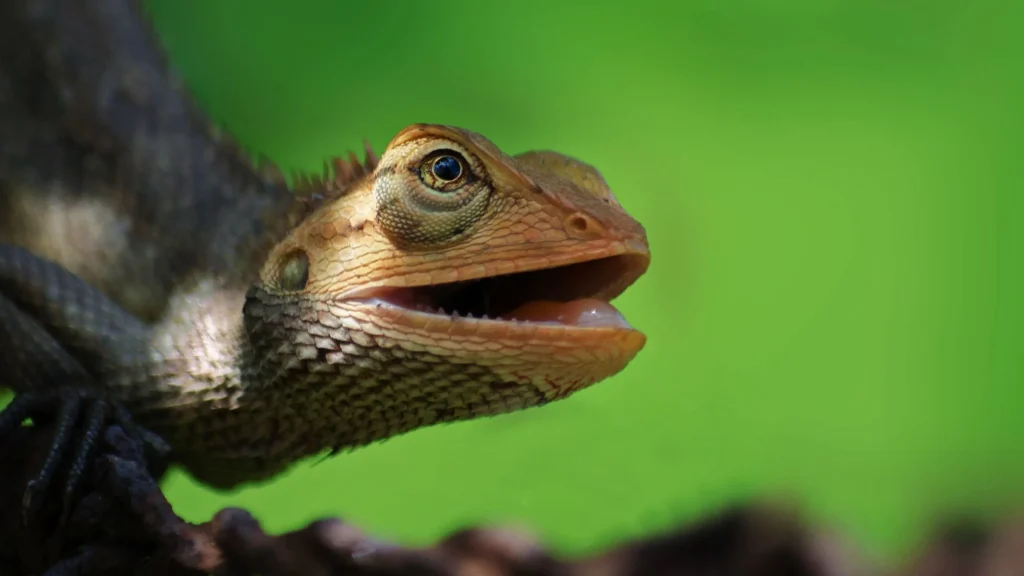
Gecko Pet Names
Picking a name is a fun part of bringing home a gecko pet. Many owners choose names based on the gecko’s color, pattern, or personality.
Popular styles of gecko names include:
- Nature-inspired names: Pebble, Moss, Ember, Storm
- Food-inspired names: Mango, Pickle, Kiwi, Nacho
- Classic reptile names: Rex, Spike, Draco, Scales
- Playful names: Gizmo, Noodle, Bean, Tank
There’s no wrong choice here. Many owners simply pick a name that matches their gecko’s look or their own sense of humor.
Daily Care Routine and How to Get Started
Setting up a gecko pet the right way from day one makes daily care much easier. Most of the work happens during setup, not day-to-day.
Setting Up the Tank
Start with a 10 to 20-gallon tank for one adult gecko. Add a warm hide, a cool hide, and a humid hide. Use a thermometer and hygrometer to track temperature and humidity.
Feeding Schedule
Feed most adult geckos live insects two to three times a week. Younger geckos often need daily feeding since they’re still growing. Always remove uneaten insects after feeding time.
Cleaning and Maintenance
Spot-clean waste from the tank every day. Do a full tank clean every few weeks. Replace water daily to keep it fresh.
Handling Tips
Wait a few weeks before handling a new gecko. Let it settle into its new home first. Keep handling sessions short and calm, especially at the start.
Cost Breakdown
A gecko pet costs less to feed than many pets. Most of the cost comes from the setup, not ongoing food.
| Item | Estimated Cost |
| Gecko (from breeder or store) | $30–$150+ |
| Tank and lid | $50–$150 |
| Heating and lighting | $40–$100 |
| Substrate and decor | $30–$80 |
| Ongoing food (monthly) | $10–$20 |
| Vet checkup (as needed) | Varies by clinic |
This can vary depending on the species, the tank size, and your local pet store prices. It’s smart to research current prices near you before buying.
Common Mistakes Pet Owners Make
New gecko owners often make the same few mistakes. Knowing them ahead of time can help a gecko stay healthy.
- Wrong tank temperature: A tank that’s too cold or too hot can stress a gecko.
- Too much handling early on: New geckos need time to adjust before regular handling.
- Feeding the wrong food: Wild-caught insects can carry parasites, so always use store-bought feeder insects.
- Skipping the humid hide: Without it, some geckos struggle to shed properly.
- Using loose sand for babies: Some substrates can cause health issues in young geckos, so it’s best to check safe options for your specific species.
Pros and Cons
| Pros | Cons |
| Low daily maintenance | Needs a full tank setup upfront |
| Quiet and doesn’t disturb neighbors | Not a cuddly, high-interaction pet |
| Long lifespan | Long-term commitment (10–20 years) |
| Small living space needed | Diet needs live insects |
| Wide variety of species and colors | Some species need specific humidity levels |
Similar Breeds and Alternatives
| Option | Best For |
| Bearded Dragon | Owners who want more interaction and daytime activity |
| Corn Snake | Owners open to a beginner-friendly pet snake |
| Small Pet Turtle | Owners who want a longer-lived aquatic-style pet |
| Ball Python | Owners who want a calm, low-maintenance snake |
When to Consult a Vet or Professional
Always reach out to an exotic or reptile vet if a gecko stops eating for more than a few days. Weight loss, unusual lumps, or skin issues also call for a vet visit.
A gecko that seems weak, wobbly, or unable to grip surfaces needs prompt attention. Stuck shed around the toes or eyes can also turn serious if it’s not handled properly.
Never try to diagnose or treat a health issue on your own. A licensed exotic vet can confirm what’s wrong and recommend safe treatment. This keeps your gecko pet safe and comfortable.
Fun Facts About Geckos
- Many gecko species can lose their tail to escape a predator, then grow a new one over time.
- Geckos use their tongue to lick their eyes clean since most species don’t have eyelids.
- Some gecko species can walk on smooth surfaces like glass using tiny structures on their toes.
- Crested geckos were once thought to be extinct in the wild until they were rediscovered in the 1990s.
- Leopard geckos are one of the first lizard species widely bred in captivity as pets.
- Many gecko species are most active at night, which is why they’re called nocturnal.
- A gecko’s chirp or click sound is a normal way some species communicate.
Frequently Asked Questions
How long do geckos live as pets?
Most pet geckos live between 10 and 20 years. Leopard geckos often live on the longer end of that range with good care. Crested geckos usually live a bit shorter, around 10 to 15 years.
Lifespan depends on diet, tank setup, and general health. A clean tank and steady temperature help a gecko live longer. This can vary depending on the individual gecko, so it’s smart to ask a reptile vet about care specific to your pet’s species.
Are crested geckos good pets?
Yes, crested geckos make great pets for many owners. They don’t need a heat lamp in most homes, which makes setup simpler. They also tend to be calm once they settle in.
Crested geckos do best with light handling instead of frequent touching. They can jump when startled, so slow movements help. Overall, they suit owners who want a lower-maintenance reptile with a friendly personality.
Can geckos live for 20 years?
Yes, some geckos can live 20 years or longer. Leopard geckos are known for reaching this age range with strong care and a good diet. This isn’t guaranteed for every gecko, though.
Genetics play a role, along with diet and tank conditions. Regular vet checkups can help catch health issues early. Good long-term care gives a gecko the best shot at a full lifespan.
Can poor habitat reduce a gecko’s lifespan?
Yes, a poor habitat can shorten a gecko’s life. Wrong temperature, low humidity, or a dirty tank can all cause stress and illness over time. Stress weakens a gecko’s immune system.
Consistent heat and cleanliness matter a lot for long-term health. Skipping proper hides or hiding spots can also add stress. This can vary by species, so it’s best to follow care guides made for your gecko’s exact type.
What do pet geckos eat besides crickets?
Many pet geckos also eat mealworms, dubia roaches, and waxworms as occasional treats. Some owners rotate a few feeder insects to add variety. Always use store-bought insects, not wild-caught ones, to avoid parasites.
Gut-loading feeder insects with nutritious food before feeding time adds extra value for the gecko. A vet or reptile specialist can help build a balanced feeding plan for your specific gecko species.
Final Thoughts
A gecko pet can make a wonderful companion for the right owner. It offers a quiet, low-noise pet experience with a long lifespan and simple daily care once the tank is set up right.
Success comes down to research before bringing one home. The right tank size, heat setup, and feeding plan make a big difference in a gecko’s health and happiness.

Olivia Bennett is a pet care writer and animal wellness researcher who has spent more than 8 years creating practical content for pet owners. Her work focuses on dog and cat care, pet nutrition, training, grooming, behavior, and preventive health.
At Pet Wise Worlds (https://petwiseworlds.com/), Olivia researches trusted sources and transforms expert knowledge into easy-to-follow guides that help pet owners give their companions healthier and happier lives.