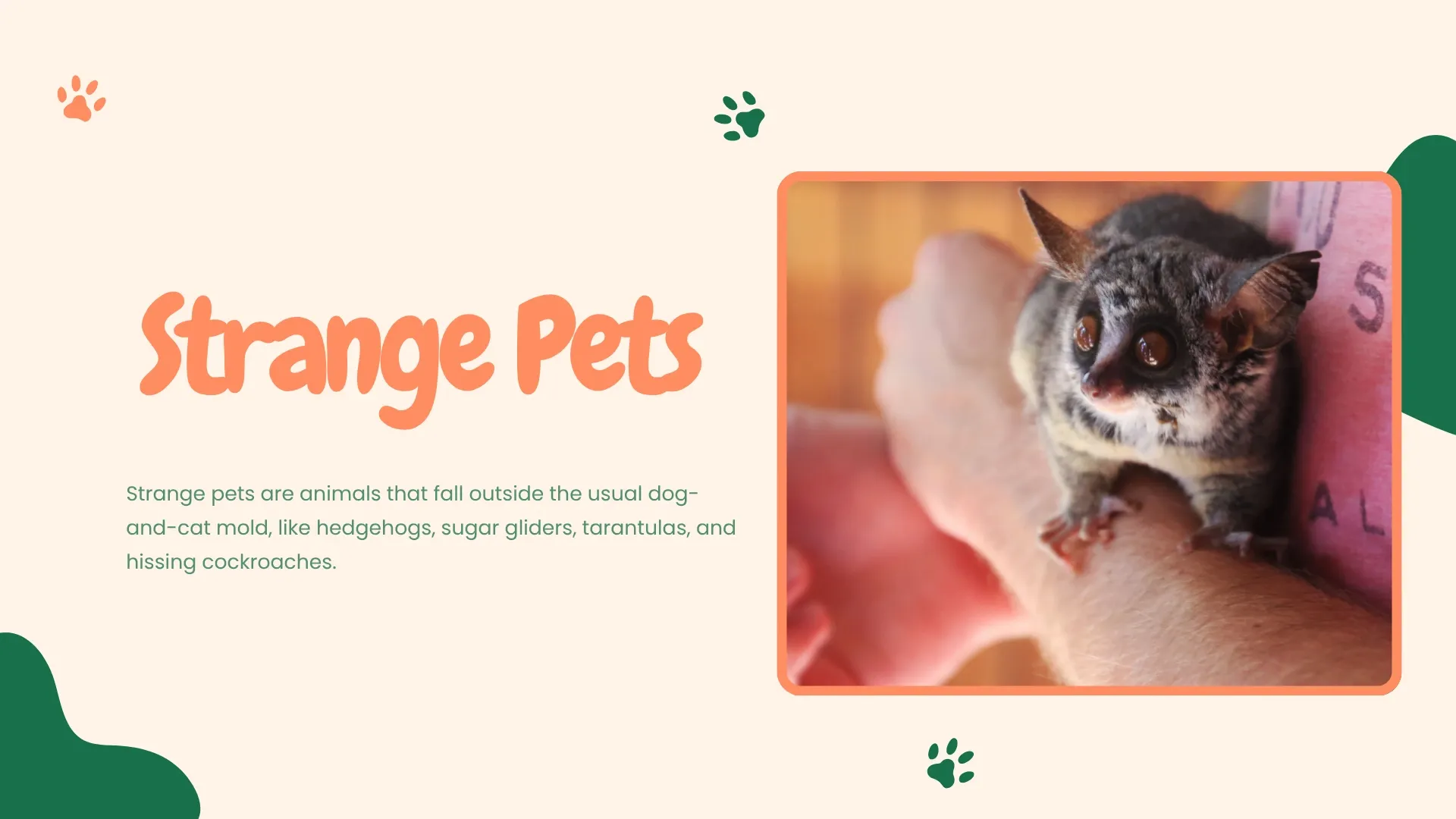
Strange pets are animals that fall outside the usual dog-and-cat mold, like hedgehogs, sugar gliders, tarantulas, and hissing cockroaches. Many strange pets are legal, low-maintenance, and make loyal companions. This guide covers the safest and easiest strange pets for beginners.
Key Takeaways
- trange pets include hedgehogs, sugar gliders, axolotls, tarantulas, and more.
- Many strange pets are legal to own but laws vary by state and city.
- Some strange pets need very little daily care and fit small homes.
- Startup costs vary a lot, from under $50 for insects to $500+ for exotic mammals.
- Always check with an exotic vet before you bring a new pet home.
- Some strange pets are illegal or dangerous. Always research first.
Introduction
More people want a pet that stands out. That is why strange pets have become so popular. Scroll through TikTok or Reddit and you will see hedgehogs, geckos and tiny octopuses getting millions of views.
Strange pets solve a real problem. Some people live in small apartments. Others have allergies to fur. A quiet, low-mess pet can be a perfect fit.
This trend keeps growing every year. Breeders and rescues now offer more unusual species than ever. But strange pets are not right for everyone.
Some need special food. Some need permits. This guide will walk you through everything you need to know before you bring one home.
What Is a Strange Pet?
A strange pet is any animal that is not a typical dog, cat, or common fish. It often surprises people because it looks or acts unusual.
Strange pets can be mammals, reptiles, amphibians or even bugs. Some examples include hedgehogs, sugar gliders, axolotls, tarantulas and hissing cockroaches. Each one has its own needs and personality.
Why People Choose Strange Pets
Many owners want something different from the norm. A strange pet can feel like a fun conversation starter. Others simply fall in love with a species after seeing it online.
Some strange pets also fit tight living spaces. A tarantula needs only a small tank. A hedgehog can live happily in one room.
Quick Facts Box
| Fact | Details |
| Common types | Hedgehogs, sugar gliders, axolotls, tarantulas, hissing cockroaches, chinchillas |
| Legal status | Varies by state, city, and species |
| Lifespan range | 1 year (some insects) to 20+ years (tortoises) |
| Space needed | Small tank to a dedicated room, depending on species |
| Beginner-friendly | Yes, for species like hedgehogs and hermit crabs |
| Vet type needed | Exotic animal veterinarian |
Key Characteristics and Care Needs
Strange pets vary a lot in size, temperament and care. Some are calm and quiet. Others are active and need daily attention.
Most strange pets need a specific habitat setup. This might include heat lamps, humidity control, or a secure enclosure. Diet also differs by species. Some eat insects and fruit. Some eat pellets made just for their species.
Temperament
Many strange pets are more independent than dogs or cats. A tarantula will not cuddle with you. A hedgehog may take weeks to trust you.
This independence works well for busy owners. It also means these pets are not for people who want constant affection.
Habitat Requirements
Reptiles and amphibians often need tanks with heat and humidity control. Small mammals like sugar gliders need tall cages with room to climb. Insects usually need only a simple, secure container.
Always research the exact species before buying supplies. A gecko and a bearded dragon need very different setups, even though both are lizards.
Quick Comparison Snapshot
| Option | Best For | Key Difference |
| Hedgehog | First-time exotic owners | Easy diet, moderate handling needs |
| Sugar Glider | Owners who want an active bonded pet | Needs a companion glider and large cage |
| Axolotl | Owners who want a low-noise aquatic pet | Fully aquatic, needs cool water |
| Hissing Cockroach | Renters or small-space owners | Almost no daily care needed |
Strange Pets You Can Own
Many strange pets are easier to own than people expect. This section covers some of the most common legal options.
Hedgehogs are one of the most popular strange pets in the U.S. They are small, quiet, and eat a simple diet. Sugar gliders are another favourite. They bond closely with their owners but need another glider for company.
Axolotls have grown very popular thanks to social media. They live fully in water and need a cool, clean tank. Tarantulas and hissing cockroaches are great low-maintenance options for people who do not want to handle their pet often.
Strange Pets That Are Legal to Own
Legal status is the most important thing to check before you buy a strange pet. Laws change often and vary by state, county, and even city.
Some animals, like sugar gliders, are banned in a few states. Others, like certain reptiles, need a special permit. Always check your local wildlife agency website before you commit to a species.
How to Check Local Laws
Start with your state’s department of natural resources or wildlife agency. Many cities also have their own exotic pet rules. A quick phone call or email can save you a lot of trouble later.
Breeders and rescues that specialize in exotic pets often know the legal rules too. They can be a helpful second source of information.
Strange Pets That Make Good Companions
Some strange pets bond closely with their owners, much like a dog or cat. Sugar gliders are known for bonding strongly with the person who handles them most.
Hedgehogs can also become comfortable with regular, gentle handling. Some parrots and cockatiels form deep bonds and can live for decades. Even some reptiles, like bearded dragons, tolerate gentle daily handling well.
This can vary depending on the individual pet, so it’s best to research the specific animal’s typical temperament before adopting.
Best Strange Pets for Beginners
Beginners should look for strange pets with simple diets and low handling needs. Hermit crabs are a great starter pet. They need a simple tank, food, and water dish.
Leopard geckos are another beginner-friendly choice. They eat insects and need a basic heated tank. Hissing cockroaches need almost no daily care at all, making them ideal for very busy owners.
Pets to Avoid as a First-Timer
Some strange pets need advanced care skills. Venomous reptiles and large exotic cats are not good starter pets. These require expert-level knowledge and, in many places, special licensing.
Strange Pets That Are Low Maintenance
Low-maintenance strange pets fit busy lifestyles well. Hissing cockroaches, stick insects, and hermit crabs need only a few minutes of care each week.
Axolotls also need fairly simple care once their tank is set up correctly. Weekly water testing and regular feeding are usually enough.
A quick note: some animals on similar keyword lists (like farm animals kept for meat or milk) are raised for agricultural purposes, not as pets. This article focuses only on animals kept as companions, not livestock.
Daily Care Routine and How to Get Started
Starting with a strange pet takes some planning. Follow these basic steps to set your new pet up for success.
- Research your chosen species fully before buying anything.
- Check your local and state laws.
- Buy the correct habitat, food, and supplies first.
- Set up the habitat and let it stabilize for a few days.
- Bring your pet home and give it time to settle in.
- Follow a simple daily routine for feeding and habitat checks.
Sample Daily Routine
Most strange pets need a quick daily check. This includes fresh food, fresh water, and a look at the habitat temperature. Weekly tasks often include a deeper tank or cage cleaning.
Cost Breakdown
Costs for strange pets vary a lot by species. Here is a general breakdown to help you plan your budget.
| Item | Estimated Cost |
| Pet purchase or adoption | $10–$500+ |
| Habitat setup | $50–$300 |
| Monthly food | $5–$50 |
| Vet checkups | $40–$150 per visit |
This can vary depending on the individual pet and where you live, so it’s best to get quotes from local breeders, rescues, and exotic vets.
Common Mistakes Pet Owners Make
Many new owners skip research and buy a strange pet on impulse. This often leads to problems with habitat setup or diet.
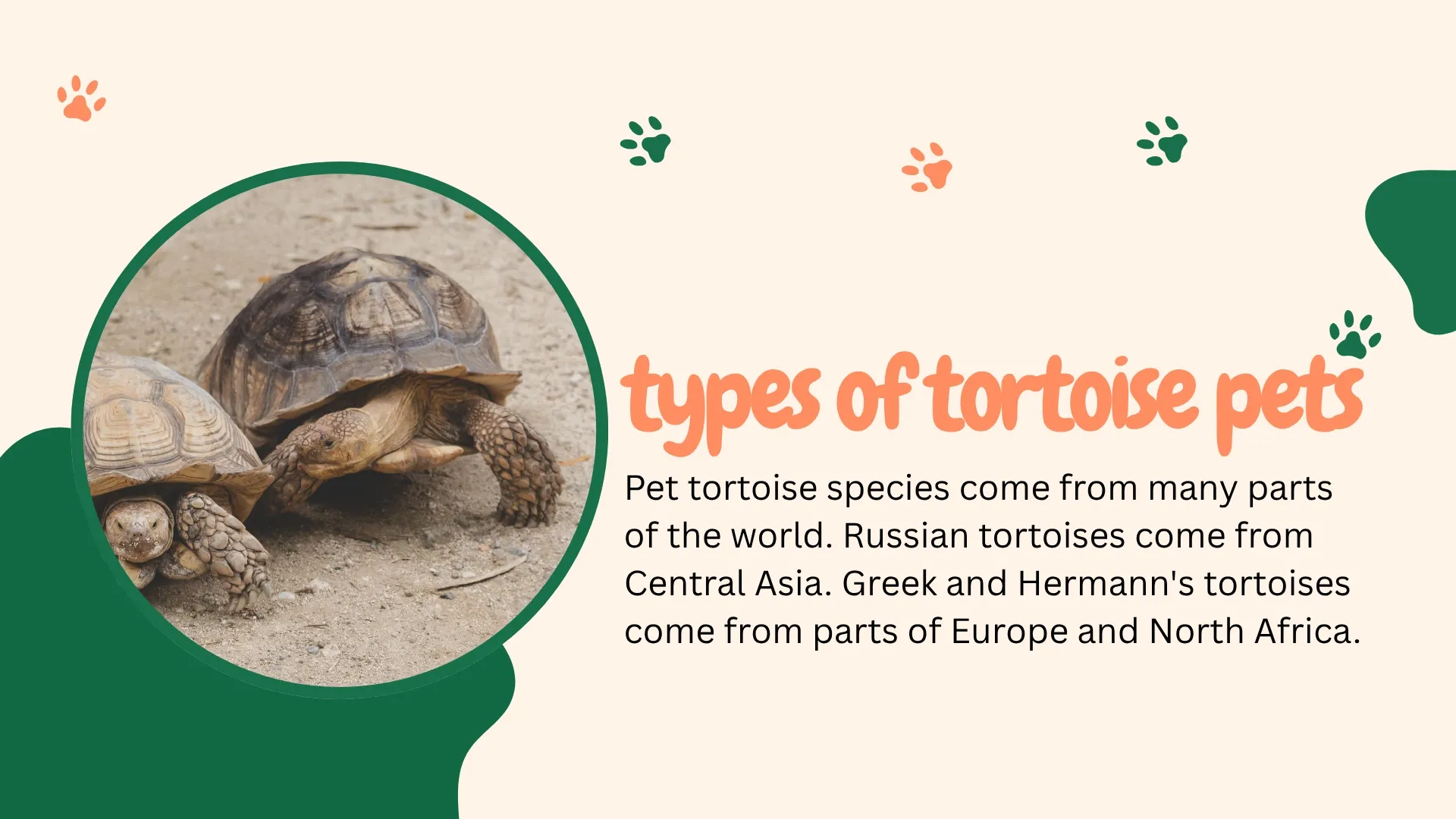
Another common mistake is ignoring local laws. Some owners find out too late that their pet is not legal in their area. Owners also sometimes underestimate lifespan. Tortoises, for example, can live for decades.
Handling Mistakes
Rough or too-frequent handling can stress some strange pets. Always research the right handling frequency for your specific species.
Pros and Cons
| Pros | Cons |
| Unique, low-shedding companions | Some species have complex care needs |
| Great for small living spaces | Legal rules vary and can be confusing |
| Many are quiet and calm | Vet care can be harder to find |
| Can be lower cost than dogs or cats | Lifespans vary widely, some very long |
Similar Options and Alternatives
If a strange pet does not feel like the right fit, these alternatives offer a middle ground between traditional and exotic pets.
| Option | Best For |
| Guinea pig | Owners who want a social, easy small pet |
| Ball python | Owners who want a calm, low-maintenance reptile |
| Cockatiel | Owners who want an interactive bird companion |
| Betta fish | Owners who want a simple, colorful aquatic pet |
When to Consult a Vet or Professional
Always find an exotic animal vet before you bring a strange pet home. Not every vet treats reptiles, small mammals, or insects.
Contact a vet right away if your pet stops eating, seems weak, or has any visible injury. This can vary depending on the individual pet, so it’s best to confirm any health concern with a licensed veterinarian rather than guessing.
Regular checkups also help catch problems early. Many exotic species hide illness well, so routine vet visits matter even when your pet seems fine.
Fun Facts
- Axolotls can regrow lost limbs, a trait scientists study closely.
- Hedgehogs are not rodents. They belong to their own animal family.
- Some tarantulas can live over 20 years in captivity.
- Sugar gliders can glide up to 150 feet between trees in the wild.
- Hissing cockroaches make a real hissing sound by pushing air through their breathing holes.
- Bearded dragons can change color slightly based on mood and temperature.
Frequently Asked Questions
What are the strangest pets you can own?
Some of the strangest legal pets include hissing cockroaches, axolotls, and sugar gliders. Tarantulas and hedgehogs also make the list for many people. Each of these looks or acts very differently from a typical dog or cat. Some live in water, some glide through the air and some have exoskeletons instead of fur. Always check your local laws before choosing one, since legal status can vary a lot between states and cities.
What is the weirdest pet to have?
This depends a lot on personal opinion, but many people point to axolotls or hissing cockroaches as the weirdest common pets. Axolotls stay in a juvenile, water-dwelling form their whole lives, which surprises a lot of new owners. Hissing cockroaches surprise people with their size and sound. Neither pet needs cuddling or daily handling, which makes them very different from traditional companion animals.
What strange pets make good companions?
Sugar gliders and hedgehogs are often named as strange pets that bond well with their owners. Parrots and cockatiels can also form strong, long-term bonds. Bonding usually takes patience and gentle, regular handling. This can vary depending on the individual pet’s personality, so results are never guaranteed with any single animal.
Which strange pets are friendly with humans?
Hedgehogs, sugar gliders, and some reptiles like bearded dragons tend to tolerate gentle human interaction well. Friendliness often depends on how early and how gently the animal was handled as a baby. Animals raised by careful breeders tend to be calmer around people. Always move slowly and let a new pet get used to your scent and voice first.
Are exotic and strange pets expensive to maintain?
Cost depends heavily on the species you choose. Insects and hermit crabs can cost very little to maintain each month. Mammals like sugar gliders or reptiles that need heat lamps and special diets can cost more over time. Vet care for exotic species can also cost more than care for a cat or dog, since fewer vets specialize in exotic animals.
Final Thoughts
Strange pets offer something different from the usual dog or cat. They can fit small homes, quiet lifestyles, and curious minds. From gentle hedgehogs to fascinating axolotls, there is a strange pet for almost every kind of owner.
The key is research. Check your local laws first. Learn the exact care needs of the species you want. Talk to an exotic vet before you bring your new pet home.
With the right planning, a strange pet can become a wonderful, one-of-a-kind companion. Take your time, ask questions, and enjoy getting to know your new unusual friend.

Olivia Bennett is a pet care writer and animal wellness researcher who has spent more than 8 years creating practical content for pet owners. Her work focuses on dog and cat care, pet nutrition, training, grooming, behavior, and preventive health.
At Pet Wise Worlds (https://petwiseworlds.com/), Olivia researches trusted sources and transforms expert knowledge into easy-to-follow guides that help pet owners give their companions healthier and happier lives.