The best pets for a small house are species that need little floor space, stay reasonably quiet, and don’t require a yard — cats, small dog breeds, guinea pigs, and fish are the most common choices. But the right fit depends less on an animal’s overall size and more on its noise level, social needs, and how much hands-on time it realistically requires. This guide walks through each option honestly, including the parts most lists leave out — allergies, hidden costs, and the practical daily reality of each pet.
Key Takeaways
- Low floor space, low noise, and low mess matter more than the animal’s overall size.
- Some pets, like fish and hamsters, need almost no daily walking or yard access — but they still need real care.
- Guinea pigs need daily interaction and should live in pairs; they are social, not low-maintenance, and are better suited to owners with some free time each day.
- Startup costs range from under $50 (fish) to several hundred dollars (small dogs) — and ongoing costs (vet visits, emergencies, insurance) matter more than startup price.
- Pet dander and allergens are a real concern in small, enclosed spaces — check this before choosing a species.
- Always confirm landlord or HOA pet rules in writing before adopting.
What Does “Best Pet for a Small House” Mean?
A pet suited to a small house needs manageable space, tolerable noise, and no dependence on a yard to stay healthy. Cats top many lists because they self-exercise indoors and use a litter box. Small dog breeds — French bulldogs, Boston terriers, pugs, and similar low-to-moderate-energy breeds — do well with short daily walks instead of yard access, though it’s worth noting some of these breeds (especially flat-faced ones) come with their own health considerations, like breathing sensitivity in heat, that owners should research before committing to a specific breed.
Caged pets such as guinea pigs and hamsters need only a set amount of counter or floor space for their habitat. Fish and reptiles round out the list for people who want a pet without daily walks or litter box duties at all.
Quick Facts
| Fact | Details |
|---|---|
| Common small-house pets | Cats, small dog breeds, guinea pigs, hamsters, fish |
| Space needed | Varies from a small tank to a modest apartment room |
| Exercise needs | Low to moderate; most don’t need a yard |
| Noise level | Low for most options, except vocal dog breeds |
| Typical lifespan | 2–5 years (small rodents) up to 12–18 years (cats, small dogs) |
| Startup cost | $50–$700+, depending on species |
| Allergy risk | Moderate to high for cats and dogs; low for fish and most reptiles |
Matching a Pet to Your Actual Routine
Space Requirements
Cats and small dogs need room to move and play but not a full yard. Caged pets need a properly sized habitat — and “properly sized” matters more than people expect. A cage that looks fine in a store display is often too small for a guinea pig or a pair of hamsters to live in long-term; check species-specific minimum enclosure sizes before buying, not after.
Noise and Mess
Fish and small rodents make almost no noise. Dogs vary a lot by breed — some small breeds bark frequently, which matters a great deal in an apartment with shared walls. Cat vocalization also varies by breed and individual; some cats are naturally more talkative than others regardless of size.
Shedding and dander are a mess issue that’s easy to overlook. Cats and dogs both shed, and pet dander is a common allergy trigger that’s harder to manage in a small, enclosed space with less airflow than in a larger home. If anyone in the household has allergies or asthma, this is worth testing for (spending time with the specific animal beforehand) before committing to a cat or dog.
Time Commitment
Cats fit well with busy schedules. Guinea pigs and other caged social animals need daily interaction, not just daily feeding — that distinction gets lost in a lot of “low-maintenance” pet lists. Dogs, even small ones, need daily walks and consistent attention regardless of size.
Best Small Pets by Situation
For Cuddling
Guinea pigs and rabbits tolerate gentle handling once they trust their owner. Rats also build strong bonds with regular, gentle interaction. Small dog breeds tend to be the most consistently affectionate, since dogs generally seek out physical closeness more than most small mammals do. Cats offer a different kind of affection — on their own schedule rather than yours.
For Emotional Support
Pets can offer real comfort, but no pet should replace professional mental health support if you’re struggling. Cats and small dogs are often described as calming because of their predictable routines. Guinea pigs can offer similar structure through their daily care needs. This varies significantly by person — some people find a demanding routine grounding, while others find it draining, especially during difficult periods. If you’re considering a pet specifically to help with anxiety or a mental health condition, it’s worth talking to a therapist or counselor about whether the added responsibility fits your current capacity, not just your intentions.
For Adults Without Kids
Cats, small dog breeds, and fish all fit a wide range of adult schedules. Fish suit people who want a calming presence without daily hands-on care. Cats suit people who want companionship with more independence. Small dog breeds suit people ready for a daily walking routine.
On a Budget
Fish, hamsters, and other small rodents cost the least to start and maintain. A basic fish tank setup can run under $50. Hamster and guinea pig setups cost more due to habitat size and bedding, but stay well below the cost of dog or cat ownership over time — see the full cost breakdown below, including the emergency costs most budget lists skip.
For Families With Kids
Guinea pigs rarely bite and respond well to calm, supervised handling, making them a solid option for families with young children — but they still require an adult to manage daily care and supervise interactions, since young kids can accidentally mishandle a small animal. Well-socialized small dog breeds also tend to do well with children. Fish work for younger kids who want to observe a pet without any handling at all.
Low-Maintenance Options
Fish and cats are genuinely low-maintenance: fish need tank upkeep and feeding, and cats manage most of their own exercise and grooming. Hamsters need a clean habitat and simple feeding, with most activity happening at night — but note that hamsters are typically solitary and don’t need companion interaction the way guinea pigs do, which is part of why they fit a lower-maintenance category more accurately.
Quiet Options
Fish, hamsters, and most cats don’t bark or vocalize loudly. Some cat breeds are more vocal than others, so this varies by individual animal. Dogs, even small breeds, tend to be the noisiest option on this list, which matters most for anyone with close neighbors or thin apartment walls.
No-Yard Households
Cats, fish, and caged pets don’t need outdoor time to stay healthy. Small dog breeds can also work without a yard, as long as owners commit to regular walks for exercise and bathroom needs.
Daily and Weekly Care
Daily tasks: Feed on a consistent schedule. Clean litter boxes or spot-clean cages daily. Spend time on interaction — play time, a walk, or for social caged pets like guinea pigs, direct handling, not just observation.
Weekly tasks: Do a deeper habitat clean for caged pets. Check food and water supplies. Watch for changes in appetite, energy, or behavior, which are often the first sign something is wrong.
Before bringing a pet home:
- Research the species or breed’s actual space, noise, and social needs.
- Get landlord or HOA pet policies confirmed in writing, including any breed, size, or number-of-pets restrictions.
- Set up the habitat, litter box, or sleeping area before the pet arrives.
- Adopt or buy from a reputable shelter, breeder, or seller — ask about health history and any known issues.
- Give the pet a settling-in period before heavy handling.
- Schedule an initial vet visit within the first couple of weeks, even if the pet seems healthy.
Full Cost Breakdown (Including Costs Lists Often Skip)
| Pet | Startup Cost | Monthly Cost | Typical Vet/Emergency Cost | Pet Insurance Available? |
|---|---|---|---|---|
| Betta fish | $30–$70 | $5–$10 | Low; tank equipment failure is the main risk | No |
| Hamster | $80–$150 | $15–$25 | $50–$150 for an exotic-vet visit | Rare, limited coverage |
| Guinea pig (pair) | $150–$300 | $30–$50 | $50–$200 per animal for vet care | Rare, limited coverage |
| Cat | $200–$500 | $50–$80 | $200–$1,500+ for illness or injury | Yes, widely available |
| Small dog breed | $300–$700 | $70–$120 | $300–$3,000+ for illness or injury | Yes, widely available |
A note on hidden costs: exotic and small-animal vets are less common than cat/dog vets, and their visits are often more expensive relative to the pet’s price. For cats and dogs, pet insurance is worth researching before an emergency happens, not after — most plans exclude pre-existing conditions if you sign up late.
Common Mistakes
- Choosing a pet based on looks alone, without checking space, noise, or allergy implications.
- Skipping landlord or HOA pet policies before adopting, then facing a forced rehoming later.
- Underestimating a small dog breed’s exercise and attention needs.
- Housing a single guinea pig, when they do better in bonded pairs.
- Choosing a habitat that’s too small for the species’ actual minimum size requirement.
- Ignoring early signs of stress or illness — hiding, appetite changes, or unusual lethargy — until they become serious.
- Not testing for allergies before committing to a cat or dog, especially in a small space with limited airflow.
- Skipping pet insurance research for cats and dogs, then facing a large unexpected vet bill.
Pros and Cons
| Pros | Cons |
|---|---|
| Fits apartments and small homes well | Space limits still apply, even for small pets |
| Wide range of options for different lifestyles | Some species need more social interaction than expected |
| Lower-cost options available upfront | Emergency vet costs can be significant, especially for cats and dogs |
| Manageable daily routines for most species | Allergens and dander are harder to manage in small spaces |
| Long-term companionship | Long-term commitment, especially for cats and dogs (12–18 years) |
Other Small-Space-Friendly Options
| Option | Best For | Note |
|---|---|---|
| Rabbit | Owners who want a social, handleable caged pet | Needs a larger enclosure than many expect, plus supervised exercise time |
| Rat | Owners who want a smart, bonding-focused small pet | Shorter lifespan (2–3 years); very trainable |
| Parakeet | Owners who want an interactive pet without floor space needs | Can be vocal; needs daily out-of-cage time |
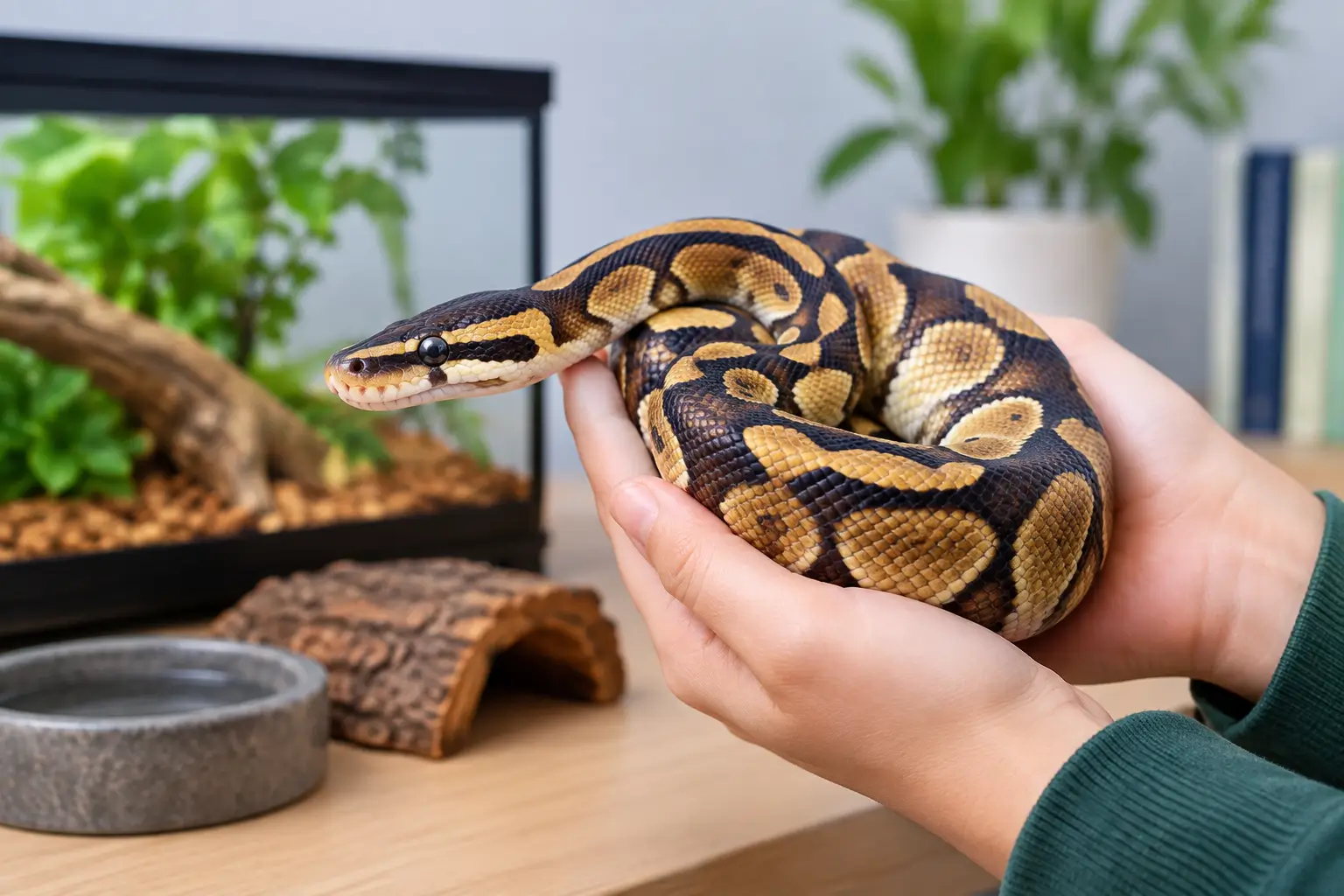
| Leopard gecko | Owners who want a quiet, low-maintenance reptile | Needs a heat/humidity setup; low allergy risk |
When to Consult a Vet or Professional
Any new pet deserves a wellness check soon after arrival, especially in a small living space where illness or stress can be harder to notice early. Watch for appetite loss, unusual lethargy, or behavior changes, and don’t wait if something seems off — small animals in particular can decline quickly.
A licensed veterinarian can guide diet, habitat setup, and species-specific health concerns. If allergies are a concern for anyone in the household, an allergist can help determine risk before you bring a cat or dog home, rather than after an attachment has formed. And if a pet is being considered specifically for emotional support or anxiety management, a conversation with a therapist or counselor about timing and capacity is worth having first.
Frequently Asked Questions
Which small pet would be best for me? It depends on your daily schedule, noise tolerance, allergy risk, and how much hands-on care you want to provide. Busy owners often do better with fish or cats. Owners who want daily interaction might prefer guinea pigs or a small dog breed. Matching the pet to your actual routine and household health considerations — not just your living space — leads to a better long-term fit.
Which is the best small pet for a family? Guinea pigs work well for families with younger kids since they’re sturdy and rarely bite, though an adult should always supervise handling. Small dog breeds fit family life well, especially easygoing temperaments. Fish suit families who want kids to learn responsibility through feeding and observation without direct handling.
How much space does a small dog actually need indoors? Small dog breeds don’t need a huge amount of floor space, but they need room to move, play, and rest comfortably — a modest living room or bedroom area usually works, paired with regular walks outside. Crate size and a dedicated resting spot matter more than total square footage.
Do small pets trigger allergies the same way larger pets do? Cats and dogs can trigger allergies regardless of their size — allergen levels depend more on the individual animal, breed, and how the home is ventilated than on the pet’s overall size. Fish, reptiles, and most caged rodents carry a much lower allergy risk. If allergies are a concern, spend time with the specific animal before adopting, and consider a home allergy test if symptoms are uncertain.
Is pet insurance worth it for a small house pet? For cats and dogs, yes — emergency vet costs can run into the thousands, and insurance is far cheaper if purchased before a pet develops a health issue. For fish, hamsters, and guinea pigs, insurance is rarely available or worthwhile, so it’s more practical to set aside a small emergency fund instead.
Final Thoughts
Finding the right pet for a small house comes down to matching the animal’s real needs — space, noise, social interaction, and allergy risk — to your actual routine, not just your square footage. Cats, small dog breeds, guinea pigs, and fish each fit different lifestyles, so there’s rarely one “best” answer for everyone.
Before choosing, confirm landlord or HOA rules in writing, test for allergies if there’s any doubt, and look honestly at both the startup cost and the ongoing and emergency costs of ownership. A little planning upfront leads to a smoother first few months with a new pet — and a home that has room for both the animal and the life you’re already living in it.

Ethan Brooks is an animal behavior writer and pet education specialist with over 9 years of experience producing informative content for pet owners. He enjoys writing about pet behavior, nutrition, training techniques, and responsible pet ownership for dogs, cats, birds, rabbits, reptiles, and other companion animals.
Through Pet Wise Worlds (https://petwiseworlds.com/), Ethan shares well-researched articles designed to help families better understand and care for their pets using reliable, practical information.