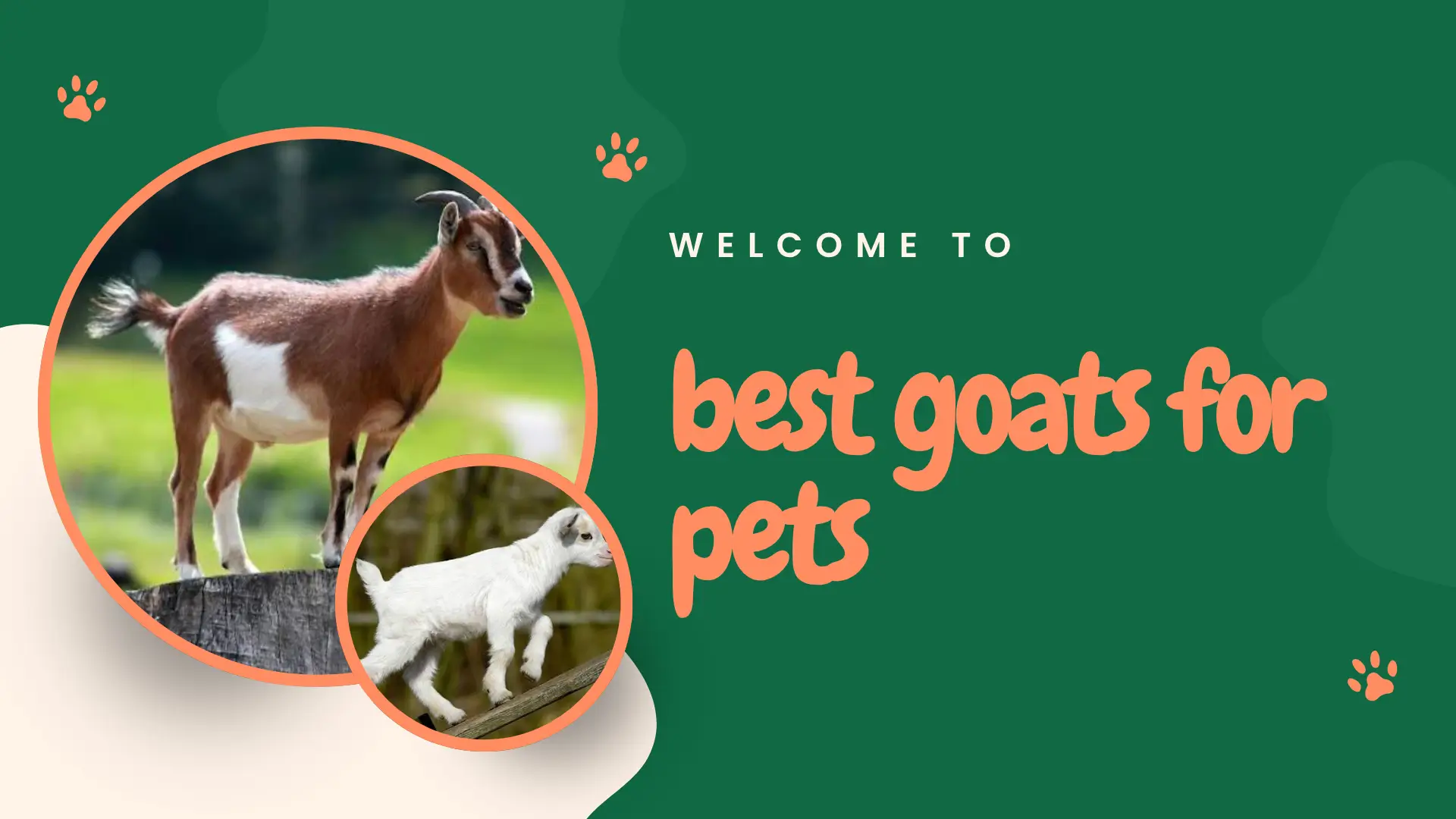
Best Goats for Pets: The Complete Guide
Featured Snippet Answer
The best goats for pets are small, friendly breeds like Pygmy goats and Nigerian Dwarf goats. These breeds stay small, bond closely with people, and adapt well to home settings with proper fencing, shelter, and companionship from at least one other goat.
Key Takeaways
- Pygmy goats and Nigerian Dwarf goats top most lists of the best goats for pets
- Goats are herd animals, so a single goat almost always needs a goat buddy
- Beginners do best with small, calm breeds and simple fencing setups
- A realistic monthly budget runs roughly $30–$80 per goat once set up
- Goats can help clear brush and weeds, but this isn’t their only value as pets
- Always check local zoning laws before bringing a pet goat home
Introduction
Goats have become one of the most talked-about backyard pets in the last few years. Social media clips of Pygmy and Nigerian Dwarf goats hopping around living rooms rack up millions of views. It’s easy to see why so many pet owners now search for the best goats for pets before bringing one home.
Goats offer something different from a cat or dog. They’re curious, social, and surprisingly affectionate once they trust you. But they also come with real responsibilities — fencing, shelter, training, and companionship needs that most first-time owners don’t expect.
This guide walks through the top goat breeds for pet life, what daily care actually costs, how to house and train a goat, common health issues, and how to find a healthy animal from a reputable source.
What Is a Pet Goat?
A pet goat is a small or medium-sized goat kept mainly for companionship rather than milk or meat production. Most pet goats live in backyards, small farms, or hobby homesteads.
Unlike livestock goats raised for commercial use, pet goats often get names, training, and daily one-on-one attention. Many owners walk them on leashes or let them join family outdoor time. Breeds like the Pygmy goat and Nigerian Dwarf goat are popular picks because their small size makes them easier to manage than full-sized dairy or meat breeds.
Goats are herd animals by nature. A lone goat can become anxious or depressed, so most experts recommend keeping at least two goats together.
Quick Facts Box
| Fact | Details |
|---|---|
| Average lifespan | 10 to 15 years, sometimes longer with good care |
| Common pet breeds | Pygmy, Nigerian Dwarf |
| Typical adult weight | 20 to 90 pounds, depending on breed |
| Social needs | Goats need at least one other goat companion |
| Space needed | ~200 sq ft per goat, plus shelter space |
| Diet | Hay, pasture, mineral supplements, limited grain |
Key Characteristics and Care Needs
Pet goats share a few traits no matter the breed. They’re intelligent, food-motivated, and quick to learn routines like coming when called.
Most pet goats are also climbers and jumpers. Sturdy fencing at least four feet tall helps keep them safely inside their space. Goats need dry shelter to escape rain and wind, along with fresh water every day.
Grooming needs stay fairly simple for short-haired breeds. Owners should trim hooves every six to eight weeks and watch for signs of parasites or illness, ideally with guidance from a vet who treats livestock or exotic pets.
Housing and Shelter Requirements
A common mistake is treating shelter as an afterthought. Goats don’t need anything elaborate, but the basics matter:
- Minimum size: roughly 15–20 square feet of covered space per goat, enough to lie down comfortably
- Structure: a three-sided shed, converted dog house, or small barn works well — the open side should face away from prevailing wind and rain
- Flooring: raised or well-drained flooring with straw or wood-shaving bedding keeps hooves dry and reduces infection risk
- Ventilation: goats tolerate cold better than damp; a dry, drafty shelter is safer than a sealed, humid one
- Climbing features: sturdy platforms, large rocks, or spools give goats the vertical stimulation they crave and help wear down hooves naturally
In hot climates, shade and airflow matter more than insulation. In cold climates, deep bedding and a windbreak are usually enough for hardy breeds like Pygmy and Nigerian Dwarf goats — they rarely need heating.
Social and Emotional Needs
Goats bond strongly with their herd, whether that’s other goats or their human family. Isolation can cause stress, so a solo goat isn’t a kind setup for this species.
Many owners keep goats in pairs or small groups. This gives goats a companion to rely on, even when their human family is busy or away.
Basic Training and Handling
Goats are smart and trainable, but they respond best to consistency and food-based positive reinforcement rather than punishment.
- Leash training: start with a well-fitted harness (not a collar, which can injure the neck) in a quiet, familiar space, and use short sessions with treats
- Coming when called: goats learn their name quickly if it’s paired with feeding time
- Discouraging chewing and climbing on furniture: redirect to appropriate climbing structures outdoors rather than scolding, since goats explore with their mouths naturally
- Litter/pen habits: goats don’t fully “potty train” like dogs, but a consistent bedding area encourages more predictable habits indoors during supervised visits
Patience matters more than speed here — goats generally take a few weeks of short, repeated sessions to settle into a routine.
Best Goats for Pets for Beginners
New goat owners usually do best with small, calm breeds that don’t need advanced handling skills. Nigerian Dwarf goats and Pygmy goats both fit this description well.
These breeds are known for friendly temperaments and manageable size, which makes daily care less physically demanding. They also tend to adjust well to home routines like feeding times and evening pen-up.
Beginners should still research fencing, shelter, and local laws before buying. A little planning up front prevents most common first-time mistakes.
Best Goats for Pets and Land Clearing
Some pet owners want a goat that can also help manage overgrown brush or weeds. Goats are natural browsers, meaning they prefer leaves, shrubs, and weeds over plain grass.
Breeds like Nigerian Dwarf and Pygmy goats can nibble on brush in a securely fenced area, though larger breeds typically clear land faster due to their size. This dual role appeals to homeowners with small acreages who want both a pet and light land management help.
Goats will eat ornamental plants, garden vegetables, and even tree bark if given the chance. Fencing off gardens and toxic plants (including azaleas, rhododendrons, and wilted cherry leaves) is essential before letting goats roam freely.
Pygmy Goat: A Popular Small Breed
The Pygmy goat is one of the most popular pet goat breeds in the United States. It stays small, often between 40 and 75 pounds, which makes it easier to handle than full-sized breeds.
Pygmy goats are known for being social, playful, and food-driven. Many owners describe them as dog-like in how eagerly they follow people around the yard.
This breed does well in small backyard setups, as long as fencing and shelter needs are met. Pygmy goats also thrive with at least one goat companion for company.
Nigerian Dwarf Goats: A Favorite for Families
Nigerian Dwarf goats are another top pick for pet homes. They’re slightly smaller than Pygmy goats and known for a gentle, friendly personality.
Many families choose Nigerian Dwarf goats because they’re easy to handle and generally good with children under supervision. This breed is also sometimes kept for small amounts of milk, though many owners simply keep them as companions.
Like other pet goat breeds, Nigerian Dwarf goats need secure fencing, dry shelter, and a goat friend to stay emotionally healthy.
Best Goat Breeds for Milk
Some goat owners want a breed that offers both companionship and homegrown milk. Nubian, Alpine, and Nigerian Dwarf goats are commonly known as strong milk producers among smaller and mid-sized breeds.
Nigerian Dwarf goats, despite their small size, are popular for milk because of their manageable size and friendly nature. Larger dairy breeds like Nubians produce more milk overall but need more space and feed.
Anyone considering a milking goat should research daily milking routines, since dairy goats need consistent milking schedules to stay healthy and comfortable.
Best Goats for Meat vs. Best Goats for Pets
Meat-focused goat breeds, like Boer goats, are raised primarily for larger body size and faster growth. These breeds serve a different purpose than companion breeds like Pygmy or Nigerian Dwarf goats.
Owners searching specifically for the best goats for pets usually steer away from meat breeds, since the goals of raising them are different. Meat breeds can still have friendly personalities, but their larger size and different care goals make them less common as backyard companion pets.
Breed Comparison at a Glance
| Breed | Adult Weight | Temperament | Best For | Care Level |
|---|---|---|---|---|
| Pygmy | 40–75 lbs | Playful, social, food-driven | Beginners, small yards | Low–Moderate |
| Nigerian Dwarf | 20–75 lbs | Gentle, affectionate | Families, light milk | Low–Moderate |
| Nubian | 130–175 lbs | Vocal, friendly | Milk production | Moderate–High |
| Alpine | 120–170 lbs | Active, independent | Milk production, larger space | Moderate–High |
| Boer | 200–300+ lbs | Calm, sturdy | Meat production, acreage | High |
Real Costs of Owning a Pet Goat
Purchase price is only the beginning. Here’s a realistic breakdown for a pair of mini-breed goats (remember, goats need a companion):
| Expense | Estimated Cost |
|---|---|
| Purchase price (per goat, mini breed) | $75–$300 |
| Fencing (upfront, small yard) | $500–$2,000 |
| Shelter/shed (upfront) | $200–$1,500 |
| Hay and feed (monthly, per goat) | $20–$40 |
| Mineral supplements (monthly, per goat) | $5–$10 |
| Routine vet care and hoof trimming (annual, per goat) | $100–$250 |
| Deworming and vaccinations (annual, per goat) | $50–$100 |
Ongoing monthly costs for two goats typically land in the $60–$160 range, not counting one-time fencing and shelter setup. Exact prices vary a lot by region, so it’s worth checking local feed store and vet pricing before committing.
Common Health Issues to Watch For
Goats can hide illness well, so knowing what to watch for helps catch problems early:
- Internal parasites (worms): the most common health issue in pet goats; signs include weight loss, pale gums, and a rough coat. Regular fecal checks with a vet help guide deworming schedules rather than deworming on a fixed calendar.
- Bloat: caused by overeating grain or rich pasture too quickly; symptoms include a swollen abdomen and distress. This can become an emergency quickly.
- Caseous lymphadenitis (CL): a bacterial infection causing abscesses, more common in herds with unknown health histories — another reason to buy from a reputable breeder with health records.
- Caprine arthritis encephalitis (CAE): a viral disease affecting joints and general health long-term; reputable breeders test for this.
- Hoof rot or overgrowth: prevented with regular trimming and dry footing.
Any signs of limping, loss of appetite, or unusual behavior deserve a prompt call to a vet experienced with goats.
Climate Considerations
- Hot weather: goats need shade, airflow, and constant access to cool water. Watch for heat stress in heavy-coated breeds during summer.
- Cold weather: mini breeds handle cold well with dry bedding and a windbreak, but wet cold is more dangerous than dry cold. Kids and older goats may need extra bedding or a heat lamp in extreme cold.
- Seasonal coat changes: some breeds grow a heavier winter coat that needs monitoring for matting or parasites.
Pygmy and Nigerian Dwarf Goats for Sale: What to Know Before You Buy
Finding a healthy Pygmy or Nigerian Dwarf goat for sale takes some research to avoid health or breeding issues down the road.
- Ask for health records, including vaccination history, deworming schedule, and CAE/CL test results
- Ask to meet the goat’s parents when possible, to check for hereditary temperament or health concerns
- Look for bright eyes, a shiny coat, steady energy, and clean hindquarters (a sign of good digestive health) when visiting in person
- Expect to pay $75–$300 per goat for mini breeds from a reputable source, with registered or show-quality animals costing more
- Reliable sources include local farms, 4-H programs, breed associations (like the American Dairy Goat Association or Pygmy Goat Club of America), and agricultural extension offices
- Avoid sellers who won’t let you visit in person or provide health documentation
- Never buy a single goat with no plan for a companion animal
Zoning and Legal Considerations
Before bringing a goat home, confirm local rules allow it:
- Check city or county zoning codes, often available online under “livestock” or “animal keeping” ordinances — many cities restrict or ban goats in residential zones, while some allow a limited number of mini breeds
- Check HOA rules separately from city zoning, since homeowners’ associations often have stricter pet restrictions than the city itself
- Ask about setback requirements, which dictate how far a shelter or pen must sit from property lines or neighboring homes
- Contact your local agricultural extension office if zoning language is unclear — they can usually clarify what’s allowed
Rules vary widely even between neighboring towns, so don’t assume a friend’s experience elsewhere applies to your address.
Daily Care Routine and How to Get Started
A typical day with a pet goat includes feeding, fresh water, and a health check. Most goats eat hay or pasture as their main diet, with small amounts of grain or mineral supplements as needed.
Owners should check fencing daily for gaps, since goats are skilled escape artists. A quick visual health check helps catch limping, low appetite, or unusual behavior early.
Getting Started With Your First Goat
New owners should set up fencing and shelter before bringing a goat home. This avoids a stressful first day for both the goat and the family.
It also helps to find a local vet experienced with goats ahead of time. Having that relationship in place makes it easier to get quick advice if health questions come up later.
Common Mistakes Pet Owners Make
Many new goat owners underestimate how much goats climb and jump. Weak fencing is one of the most common reasons goats escape or get injured.
Another frequent mistake is buying just one goat. Goats are herd animals, and a lonely goat often becomes stressed or destructive.
Owners also sometimes overfeed grain, which can lead to bloat and other health problems. Sticking to a diet built around hay or pasture, with only limited grain, supports better long-term health.
Pros and Cons
| Pros | Cons |
|---|---|
| Friendly, social personalities | Needs at least one goat companion |
| Small breeds fit backyard spaces | Requires strong, secure fencing |
| Can help manage brush and weeds | Zoning laws may restrict ownership |
| Long lifespan of 10 to 15+ years | Ongoing costs for feed and vet care |
When to Consult a Vet or Professional
Any signs of limping, loss of appetite, or unusual behavior deserve a call to a vet experienced with goats. Goats can hide illness well, so early attention matters.
Vaccination schedules, deworming plans, and hoof care routines should always come from a licensed veterinarian familiar with your goat’s breed and living conditions, since needs vary by individual animal and region. Ask your vet about local parasite risks and mineral deficiencies common in your area.
Fun Facts
- Goats have rectangular pupils, which give them a wide field of vision
- Baby goats are called kids, and they can stand within minutes of birth
- Goats are known for their strong climbing skills, even on steep or uneven ground
- A group of goats is often called a herd or a trip
- Goats communicate through bleats, and many learn to recognize their owner’s voice
- Some goat breeds, like Nigerian Dwarf, can also produce milk in smaller amounts
- Goats are naturally curious and often investigate new objects with their mouths
Frequently Asked Questions
Which goat is best for beginners? Nigerian Dwarf and Pygmy goats are generally the best goats for beginners. Both breeds stay small, which makes daily handling and fencing easier to manage. They also tend to have friendly, food-motivated personalities that make training simpler. Beginners should still plan for a goat companion, secure fencing, and a local vet contact before bringing a goat home.
Are male or female goats better pets? This depends on the goat’s individual personality and whether the male has been neutered. Unneutered male goats, called bucks, can develop strong odors and more assertive behavior during breeding season. Neutered males, called wethers, often make calm, friendly pets similar to females. Female goats, called does, are generally easygoing but may need extra care if used for breeding or milking.
Which breed of goat is the friendliest? Nigerian Dwarf goats are frequently described as one of the friendliest breeds, along with Pygmy goats. Friendliness can still vary goat to goat, since early handling and socialization shape temperament as much as breed does.
What is the best goat to have as a pet? For most households, a Nigerian Dwarf or Pygmy goat offers the best mix of small size, friendly temperament, and manageable care needs. The right choice still depends on your space, local laws, and whether you can commit to keeping at least two goats together.
How much space does a pet goat actually need? Mini breeds like Pygmy and Nigerian Dwarf goats can live comfortably in a securely fenced backyard. A general guideline is around 200 square feet per goat, plus 15–20 square feet of covered shelter space. Larger breeds need more room to move and graze comfortably.
How much does it cost to own a pet goat per month? For a pair of mini-breed goats, ongoing monthly costs (feed, minerals, and averaged vet care) typically run $60–$160, not including one-time fencing and shelter setup costs.
Final Thoughts
Choosing the best goats for pets comes down to matching breed size, temperament, and real costs to your space, budget, and experience level. Nigerian Dwarf and Pygmy goats consistently stand out as the friendliest, most manageable options for backyard life.
Whatever breed you choose, remember that goats are herd animals with real social, physical, and legal considerations. Secure fencing, a goat companion, a realistic budget, and a good relationship with an experienced vet make all the difference in raising a happy, healthy goat.
With the right setup, a pet goat can bring years of personality, companionship, and even a little help clearing the yard.

Ethan Brooks is an animal behavior writer and pet education specialist with over 9 years of experience producing informative content for pet owners. He enjoys writing about pet behavior, nutrition, training techniques, and responsible pet ownership for dogs, cats, birds, rabbits, reptiles, and other companion animals.
Through Pet Wise Worlds (https://petwiseworlds.com/), Ethan shares well-researched articles designed to help families better understand and care for their pets using reliable, practical information.