Hedgehogs, playful ferrets, colorful reptiles and intelligent parrots — exotic animals can make fascinating companions. But having these animals comes with responsibilities that many first-time owners underestimate, from hidden costs to legal restrictions to health risks that don’t exist with a regular cat or dog.
Unlike conventional pets, exotic species have specialized dietary, environmental and medical needs. Finding a veterinarian who specializes in exotic pets is one of the most important steps before bringing any unusual animal home. These professionals understand the anatomy, behavior, diseases and nutritional requirements of species that general veterinarians rarely treat.
This guide covers everything from choosing the best exotic pets for your lifestyle, understanding real costs and legal restrictions, health risks you need to know about, and a practical exotic animals list to help you make an informed decision.
What Are Exotic Pets?
Exotic pets are animals not traditionally kept as household companions. They include reptiles, amphibians, birds, small mammals, arachnids and certain aquatic species. Unlike dogs and cats, which have lived alongside humans for thousands of years, many exotic animals retain behaviors and instincts from their wild ancestors — which is exactly why they need different care.
Common examples include:
- Leopard geckos
- Hedgehogs
- Bearded dragons
- Sugar gliders
- Ferrets
- Chinchillas
- Ball pythons
- Parrots (African Grey, Cockatiels, etc.)
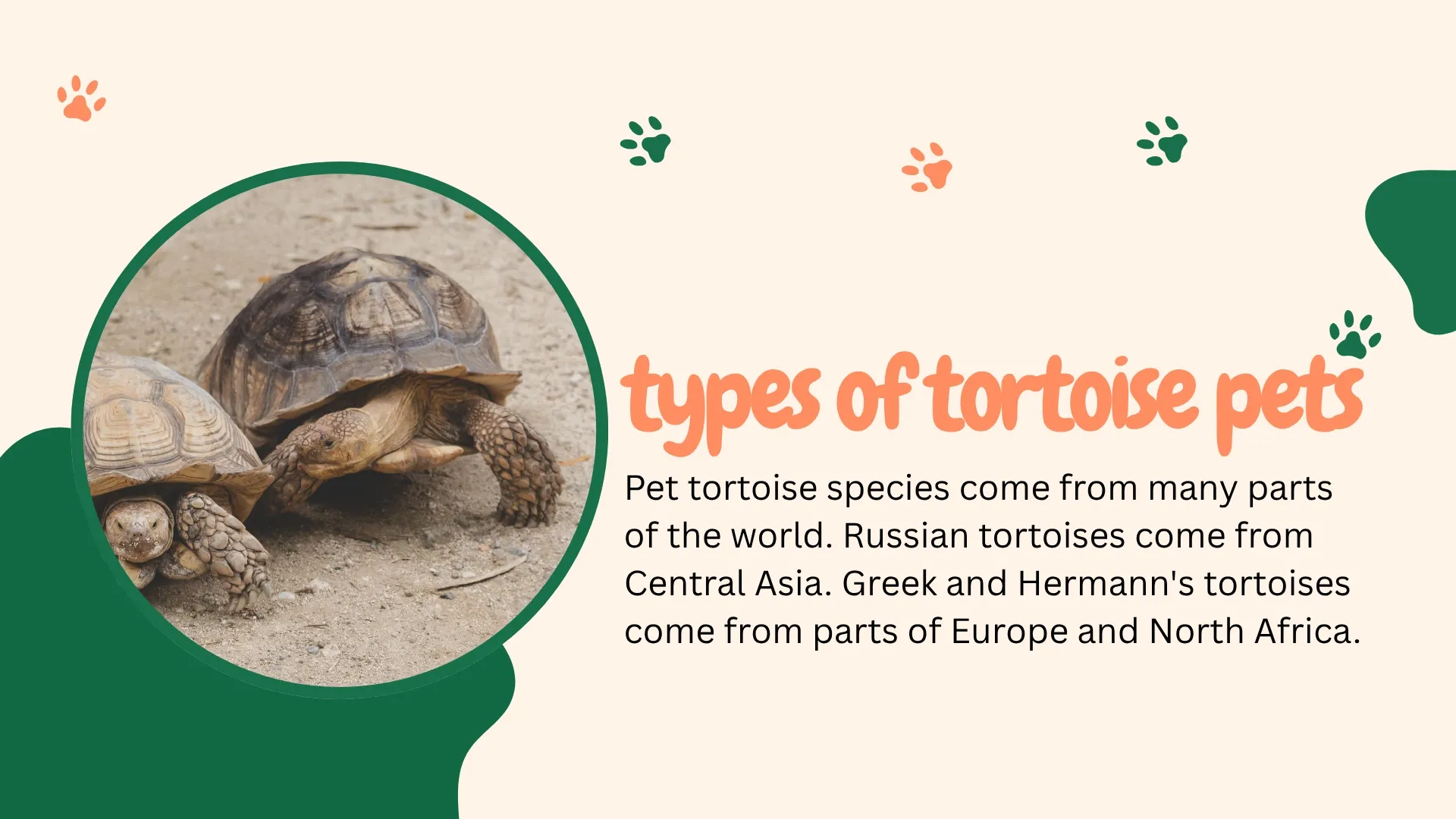
- Tortoises
- Tarantulas
Every species requires different temperatures, humidity levels, diets, housing and veterinary care. This is why choosing the right vet is just as important as choosing the right pet.
Why You Need a Specialized Exotic Pet Veterinarian
Many people assume any veterinary clinic can treat exotic animals. In reality, most general vet clinics are trained primarily in cats and dogs, and exotic species require specialized knowledge and equipment.
A qualified exotic pet veterinarian can:
- Perform species-specific health examinations
- Recommend proper nutrition
- Provide preventive healthcare
- Treat injuries safely
- Diagnose uncommon illnesses
- Perform surgeries when necessary
- Educate owners about proper husbandry
Regular checkups let vets catch health issues early. Many exotic animals instinctively hide signs of illness (a survival trait from the wild), so by the time symptoms are obvious, the condition may already be advanced. Early diagnosis can genuinely save their life.
The Real Cost of Owning an Exotic Pet
This is the part most articles skip — and it’s often the reason people give up an exotic pet within the first year.
| Cost Category | Typical Range (one-time or annual) |
|---|---|
| Initial enclosure/habitat setup | $100 – $800 depending on species |
| Heating, UVB lighting, humidity equipment | $50 – $300 |
| Purchase price of the animal | $20 – $2,000+ |
| Annual food costs | $100 – $600 |
| Routine annual vet exam | $50 – $150 |
| Emergency vet visit/surgery | $300 – $2,000+ |
| Specialized diagnostic tests (bloodwork, X-rays) | $100 – $400 |
Reptiles and amphibians are generally the cheapest to feed but can have expensive lighting/heating setups. Birds and mammals like sugar gliders and ferrets tend to have higher ongoing food and vet costs. Always budget for at least one emergency vet visit per year — exotic pet care is rarely a “buy once and forget” expense.
Is It Legal to Own an Exotic Pet? Check Before You Buy
Legality varies enormously by country, state/province, and even city, and this is one of the most overlooked steps before adoption.
- Sugar gliders are banned or restricted in several U.S. states (including California, Hawaii, and Alaska) and in parts of Australia.
- Certain parrot species are protected under CITES (Convention on International Trade in Endangered Species) and require permits or documentation for legal ownership.
- Hedgehogs are illegal to own as pets in some U.S. states and cities, including parts of California and New York City.
- Ferrets are banned in California and Hawaii.
- Venomous reptiles and large constrictor snakes often require special permits or are banned outright in many jurisdictions.
Before purchasing any exotic animal, check your local wildlife department, municipal bylaws, and import/export regulations if buying from another country. A pet that’s legal in one city can be illegal just a state or province away.
Where Should You Get an Exotic Pet?
Sourcing matters as much as species selection:
- Reputable breeders — best for reptiles, birds, and small mammals; ask about health guarantees and genetic history.
- Rescues and rehoming groups — many exotic pets (especially parrots and reptiles) end up needing new homes; adopting reduces demand for wild-caught animals.
- Avoid wild-caught animals — these often carry parasites, adapt poorly to captivity, and their capture can harm wild populations.
- Be cautious with pet stores — ask specifically where the animal came from and whether it has been vet-checked.
Zoonotic Diseases: Health Risks Humans Should Know About
This is a critical safety topic that’s often left out of exotic pet guides. Zoonotic diseases are illnesses that can pass from animals to humans.
- Reptiles and amphibians commonly carry Salmonella on their skin, even when they appear healthy. Always wash hands thoroughly after handling.
- Birds can transmit Psittacosis (parrot fever), a respiratory infection in humans.
- Small mammals like hedgehogs can carry ringworm and, rarely, Salmonella as well.
- Children under 5, elderly individuals, pregnant women, and immunocompromised people should take extra precautions or avoid direct contact with reptiles and amphibians.
Basic hygiene — handwashing, not letting exotic pets roam kitchen surfaces, and routine vet checkups — significantly reduces these risks.
Exotic Animals List: Species Comparison
| Species | Beginner Friendly? | Average Lifespan | Enclosure Size Needed | Key Vet Concerns |
|---|---|---|---|---|
| Bearded Dragon | Yes | 8–12 years | 40+ gallon tank | Metabolic bone disease, parasites |
| Leopard Gecko | Yes | 15–20 years | 20 gallon tank | Impaction, shedding issues |
| Hedgehog | Moderate | 4–6 years | Large cage, 4+ sq ft | Wobbly Hedgehog Syndrome, obesity |
| Ferret | Moderate | 6–10 years | Multi-level cage | Adrenal disease, insulinoma, dental issues |
| Chinchilla | Moderate | 10–15 years | Tall, multi-level cage | Overgrown teeth, heatstroke |
| Ball Python | Yes | 20–30 years | 40+ gallon tank | Respiratory infections, mites |
| Sugar Glider | Difficult | 12–15 years | Tall cage, needs a pair | Nutritional metabolic bone disease |
| African Grey Parrot | Difficult | 40–60 years | Large cage + daily out-time | Feather plucking, nutritional deficiency |
Key takeaway: Long lifespans (some over 30–60 years) mean an exotic pet can easily outlive the owner’s current life stage — job changes, moving cities, having children. Choose species whose lifespan actually matches your long-term plans.
How to Choose the Right Exotic Pet for You
Before picking a species, honestly answer:
- How much time can I dedicate daily?
- Can I afford a $500–$2,000 emergency vet bill if needed?
- Does this species require live food (insects, prey)?
- Is a specialized exotic vet available near me?
- How long does this animal typically live?
- Is this species even legal where I live?
- Does this animal need a companion, or does it prefer to live alone?
Common Health Problems in Exotic Pets
Nutritional Deficiencies
Poor diets can cause poor growth, vitamin deficiencies, weak bones, and organ damage. A vet-approved diet plan prevents most of these issues.
Parasites
Internal and external parasites affect reptiles, birds, and small mammals. Watch for poor appetite, diarrhea, weight loss, and weakness. Routine fecal exams catch parasites early.
Respiratory Infections
Usually caused by incorrect humidity or temperature. Signs include wheezing, open-mouth breathing, nasal discharge, and lethargy. Prompt treatment significantly improves recovery.
Dental Disease
Rabbits, chinchillas, and guinea pigs have continuously growing teeth. Improper diet can lead to overgrown teeth, difficulty eating, weight loss, and mouth infections.
What to Do in an Exotic Pet Emergency
Because many exotic species hide illness until it’s serious, knowing basic emergency steps matters:
- Keep an emergency exotic vet contact saved before you need it — not every ER treats exotic animals.
- Warning signs requiring immediate care: sudden weight loss, labored breathing, seizures, prolapse, bleeding, refusal to eat for 48+ hours (for most species), or sudden lethargy.
- Keep the animal warm and stress-free during transport — temperature drops can worsen many exotic pet conditions.
- Don’t attempt home remedies for breathing issues, broken bones, or suspected poisoning — get professional care immediately.
- Have a backup vet identified in case your regular exotic vet is unavailable.
How to Find the Right Exotic Pet Veterinarian
Before choosing a clinic, ask:
- Do you provide emergency care for exotic animals?
- Which species do you regularly treat?
- What diagnostic equipment is available on-site?
- Are surgeries performed in-house or referred elsewhere?
- How often should wellness exams be scheduled for my specific pet?
Building a relationship with a qualified exotic vet before an emergency happens is one of the smartest decisions an owner can make.
Housing and Nutrition Basics
Proper housing includes correct enclosure size, UVB lighting (where required), appropriate humidity and temperature, species-specific bedding, and safe enrichment. Poor husbandry causes chronic stress, which weakens the immune system and leads to illness.
Diet needs vary by species type:
- Insectivores need live insects (gut-loaded with nutrients)
- Carnivores need protein-rich diets
- Herbivores need high-fiber plant material
- Omnivores need a balanced mix
Avoid relying only on pet store staff advice — cross-check with vet-recommended or peer-reviewed care sheets specific to the species.
Frequently Asked Questions
What is considered an exotic pet? Any non-traditional companion animal — reptiles, amphibians, ferrets, hedgehogs, parrots, sugar gliders, and similar species that aren’t conventionally domesticated like cats and dogs.
Why do exotic pets need specialized veterinarians? Their anatomy, behavior, nutritional needs, and diseases differ significantly from cats and dogs, requiring specific training most general vets don’t have.
What are the best exotic pets for beginners? Bearded dragons, leopard geckos, and ball pythons are generally recommended because of manageable care requirements, predictable behavior, and wide vet availability.
How often should exotic pets visit the veterinarian? Most healthy exotic pets need a wellness exam at least once a year. Young, elderly, or medically compromised animals may need visits every 3–6 months.
Can exotic pets make children sick? Yes, through zoonotic diseases like Salmonella (reptiles) or ringworm (small mammals). Supervised handling and handwashing greatly reduce this risk.
Is it expensive to own an exotic pet? Initial setup can cost $150–$1,000+, plus ongoing food and vet costs. Emergency vet care is often the biggest hidden expense, so budgeting for it in advance is essential.
Conclusion
Owning an exotic animal can be deeply rewarding, but it comes with responsibilities far beyond food and shelter — legal compliance, real financial planning, zoonotic disease awareness, and access to specialized veterinary care. Whether you’re comparing species on an exotic animals list or narrowing down the best exotic pet for your lifestyle, the most successful owners are the ones who research thoroughly before bringing an animal home.
By understanding each species’ unique needs, budgeting realistically, checking legal restrictions, and building a relationship with a qualified exotic pet veterinarian early, you give your companion the best possible chance at a long, healthy life — and save yourself from costly surprises down the road.

Ethan Brooks is an animal behavior writer and pet education specialist with over 9 years of experience producing informative content for pet owners. He enjoys writing about pet behavior, nutrition, training techniques, and responsible pet ownership for dogs, cats, birds, rabbits, reptiles, and other companion animals.
Through Pet Wise Worlds (https://petwiseworlds.com/), Ethan shares well-researched articles designed to help families better understand and care for their pets using reliable, practical information.