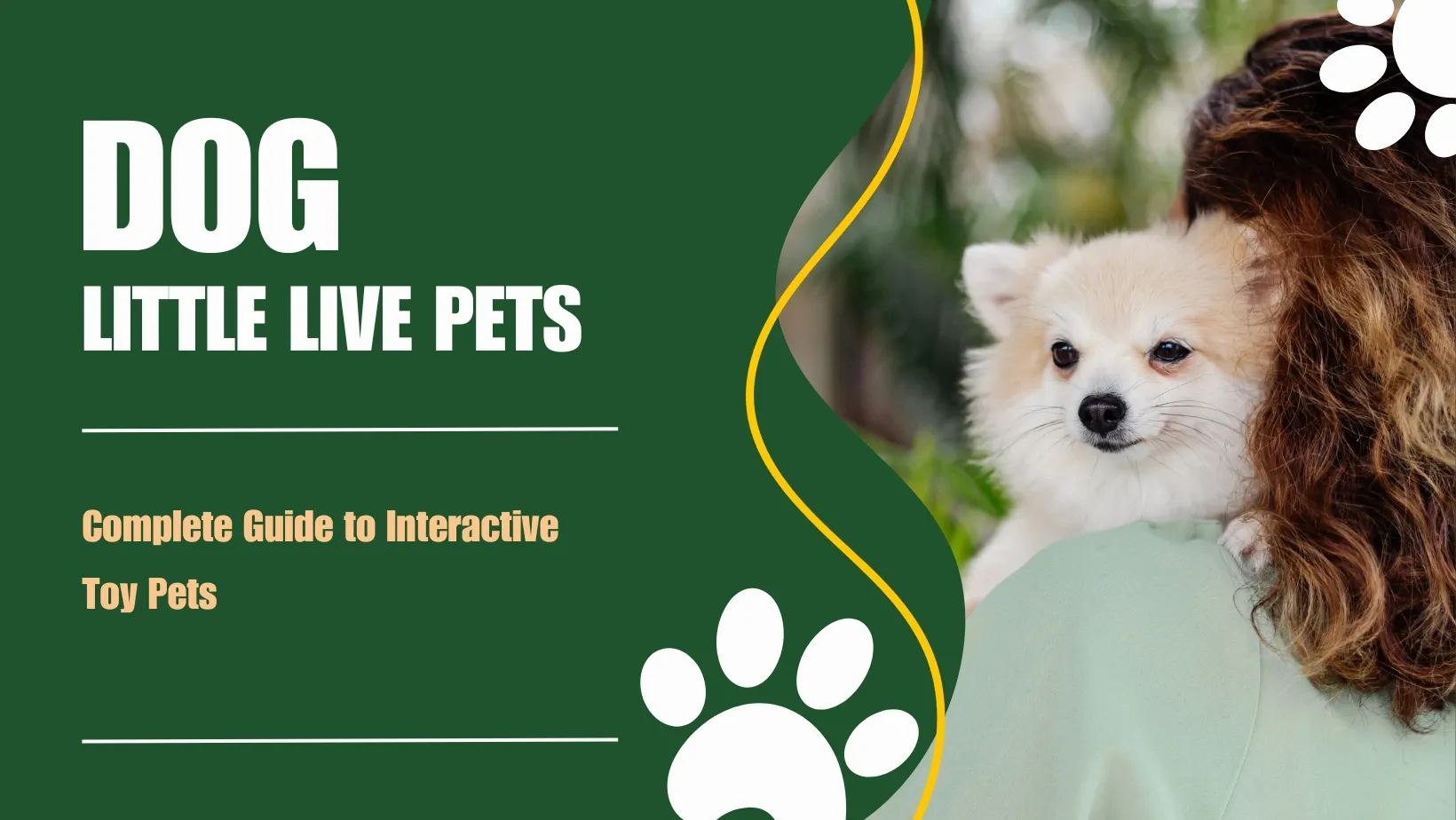
Kids today have more ways to play than ever, and interactive toys sit right at the center of that shift. Among the many options, Little Live Pets has carved out a strong place for itself by offering toy animals that don’t just sit still — they move, react, and almost feel alive.
This guide breaks down what these toys actually are, why the dog versions are so loved, and what to look for when picking one for your child, along with a look at related lines like the Mama Surprise, cat, and hamster collections.
So, What Exactly Is a Little Live Pet?
At its core, a Little Live Pet is a battery-powered toy animal built to imitate a real pet’s behavior. Depending on the model, it might walk across the floor, respond when it’s touched, or make sounds that match its species — a bark, a meow, a squeak.
The brand covers a wide range of animals: puppies, kittens, hamsters, birds, turtles, and even surprise-reveal pets. That variety means a child who loves dogs and one who loves cats can each find something that fits, and kids who aren’t old enough (or ready) for a real animal at home get a taste of that experience anyway.
The Appeal of the Puppy Models
Out of all the lines, the dog-themed toys tend to get the most attention — and it’s not hard to see why. A regular plush puppy stays exactly the same no matter how a child plays with it. These toys don’t. They bark when spoken to, wag their tails, and sometimes even walk on their own, which keeps play sessions feeling fresh instead of repetitive.
For parents, it’s an easy way to give a child the “I have a dog” feeling without the vet visits, walks, or cleanup. For kids, it’s the joy of naming, feeding, and talking to something that talks back — in its own way.
A few reasons these have stayed popular over the years:
- They move and make sounds like a real animal would
- The materials are soft and safe for younger hands
- They naturally invite pretend play and storytelling
- Almost no daily maintenance compared to a live pet
- Designed to appeal across a fairly wide age range
- New characters keep getting added, which fuels collecting
What’s Actually Inside These Toys
Every model in the line-up tends to share a similar set of core features, even if the exact combination varies by puppy:
Sound — barking, panting, whimpering, and other dog-like noises triggered by play or touch
Motion — walking steps, tail wagging, or head turns depending on the design
Sensors — many respond specifically when petted on the head, back, or nose
Build — soft fabric with rounded edges, made with younger children in mind
Power — runs on replaceable batteries, keeping the mechanics simple to maintain
Inside the Puppy Line
This particular collection has remained one of the brand’s strongest sellers for a reason. Children get to go through the motions of “adopting” a puppy — feeding it, naming it, caring for it — and several sets even throw in props like a leash, a bowl, or a mock adoption certificate to make the pretend-ownership feel more complete. For a child who’s been begging for a real dog, this often works as a satisfying middle ground.
Mama Surprise: Adding a Twist to the Formula
Where this line differs is the built-in reward system. A child starts by nurturing a “mama” toy — feeding her, caring for her over time — and eventually unlocks a hidden surprise: baby pets tucked inside. It’s part patience-building, part storytelling, and the reveal moment tends to be the highlight for most kids.
What parents tend to appreciate here is the sequencing — the surprise only comes after the caring behavior, which reinforces a small but real lesson about responsibility before reward.
The Cat Side of Things
The kitten versions don’t get quite as much spotlight as the puppies, but they hold their own. Meowing sounds, head movement, and a compact, portable size make them just as easy to love — and plenty of kids end up collecting both the dog and cat lines to build out an entire pretend “pet household.”
Hamsters: Small, Fast, and Full of Personality
The hamster models take a different approach entirely. Instead of walking calmly like the puppies, these scurry quickly across flat surfaces while squeaking, which makes their play pattern feel a bit more chaotic and exciting. They’re also smaller and generally cheaper, making them an easy add-on for kids already collecting other pets in the line.
Beyond Entertainment: What Kids Actually Get Out of It
- Creative thinking — inventing scenarios, routines, and backstories for a toy pet exercises imagination in a way passive entertainment doesn’t.
- A taste of responsibility — feeding and “caring for” a toy mirrors real caretaking habits on a smaller scale.
- Shared play — when siblings or friends play together, it naturally involves turn-taking and cooperation.
- Emotional attachment — many kids genuinely bond with these toys, which can help them practice empathy.
- Less screen time — it’s a hands-on alternative that doesn’t involve a screen at all.
Things Worth Checking Before You Buy
Not every model fits every child, so it helps to think through a few points first:
- Which animal does your child actually gravitate toward?
- Does the age recommendation match your child’s age?
- What specific interactive features matter most (sound, movement, touch response)?
- Does it come with accessories worth having?
- What kind of batteries does it need, and how often will they need replacing?
- How well-built does it seem for regular play?
Checking reviews from other parents can save you from picking a model that looks great in photos but underdelivers in practice.
Keeping the Toy in Good Shape
A few basic habits go a long way in extending the life of these toys:
- Keep it somewhere dry — moisture and electronics don’t mix
- Swap batteries as soon as movement or sound starts slowing down
- Never let the electronic components get wet
- Wipe the exterior with a soft, dry cloth rather than anything wet
- Store accessories together so nothing gets lost between play sessions
Final Verdict: Are They Worth It?
For most families, yes — these toys strike a fairly good balance between entertainment and light educational value. Instead of passively watching something on a screen, kids are actively engaged, making decisions, and building small routines around their toy pet.
Whether your child ends up with a puppy, a kitten, a hamster, or the surprise-based Mama line, each option offers a slightly different flavor of play. And since new characters get released regularly, there’s always room to keep the collection growing.
Quick FAQs
What are dog Little Live Pets, exactly?
Battery-powered toy dogs that bark, move, and react to touch in ways meant to mimic a real puppy.
Is Mama Surprise appropriate for younger kids?
Yes — it’s built for the age range listed by the manufacturer and centers around nurturing before the surprise reveal.
How’s the cat line different from the dog line?
The dog models focus on barking and walking behavior; the cat models lean into meowing and more kitten-like movement.
Do the hamsters move by themselves?
Yes, most of them scurry across smooth, flat surfaces on their own while making squeaking sounds.
Do these toys need batteries?
Yes — nearly all models run on replaceable batteries to power their sounds and movement.

Ethan Brooks is an animal behavior writer and pet education specialist with over 9 years of experience producing informative content for pet owners. He enjoys writing about pet behavior, nutrition, training techniques, and responsible pet ownership for dogs, cats, birds, rabbits, reptiles, and other companion animals.
Through Pet Wise Worlds (https://petwiseworlds.com/), Ethan shares well-researched articles designed to help families better understand and care for their pets using reliable, practical information.