Pets bring joy, companionship, and love into our lives. Whether you own a dog, a cat, colorful birds, fish, rabbits, or any other small companion, responsible pet ownership requires knowledge, commitment, and proper care.
Today’s pet owners have access to better veterinary care, high-quality nutrition, smart technology, and professional grooming services than ever before. However, choosing the right pet and understanding its emotional and physical needs remain the foundation of responsible ownership.
This complete guide explains everything you need to know about pet care — from selecting the right companion to nutrition, grooming, health care, insurance, and modern pet services that help keep your furry, feathered, or aquatic friend happy and healthy.
What Is a Pet?
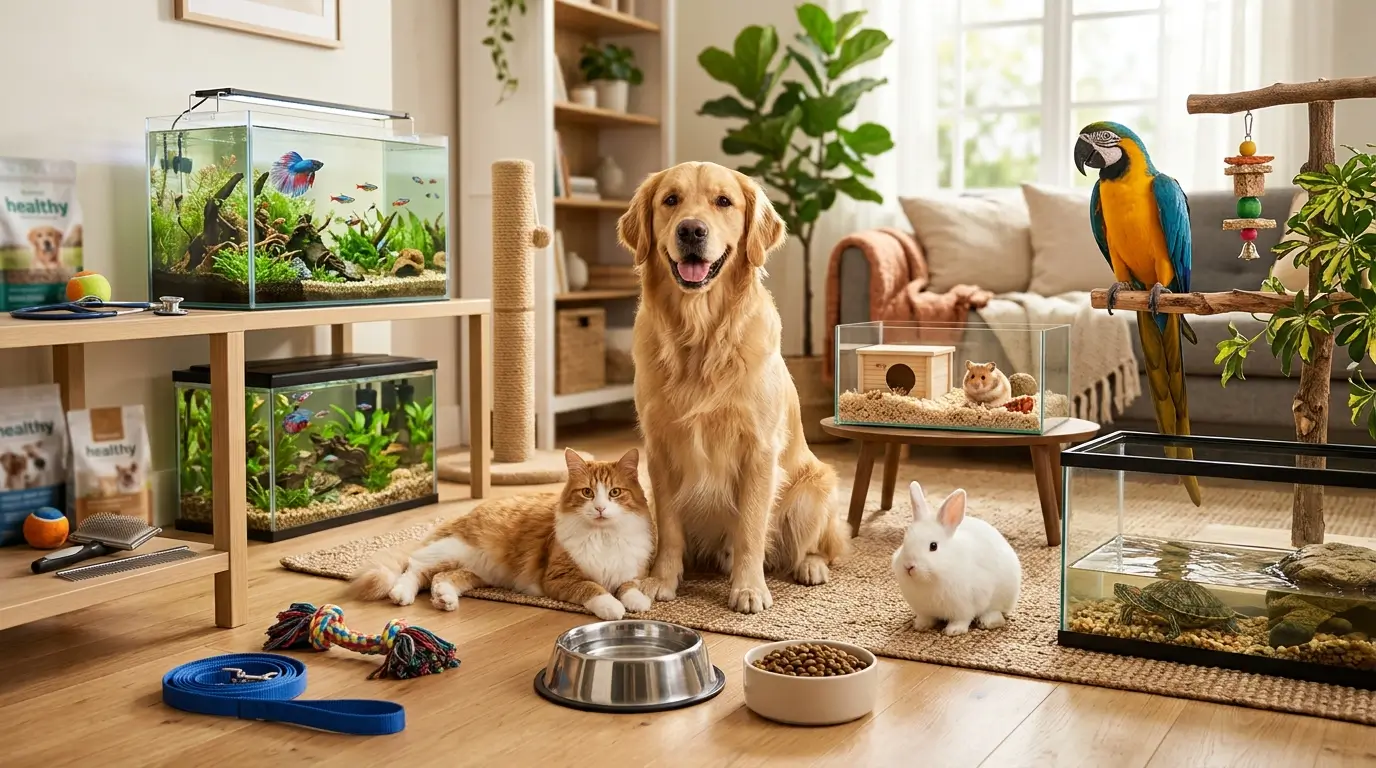
A pet is a domesticated animal kept primarily for companionship, emotional support, or recreation. Popular pets include dogs, cats, birds, rabbits, fish, hamsters, guinea pigs, turtles, and many other small animals. Responsible pet ownership includes proper nutrition, healthcare, grooming, exercise, training, and regular veterinary checkups.
Why Pet Care Matters
Pets become trusted companions and valued members of the family. They are much more than animals living in our homes.
Research has shown that interacting with pets may help reduce stress, encourage physical activity, and improve overall emotional well-being. For example, dogs motivate owners to stay active through daily walks, while cats often provide comfort with their calm and affectionate personalities.
Children who grow up with pets also learn valuable life skills such as compassion, patience, empathy, and responsibility.
Beyond companionship, pets can provide emotional support during hard times and create meaningful daily routines that strengthen the bond between humans and animals.
Adoption vs. Buying: Choosing How to Get Your Pet
Before choosing a specific pet, decide how you’ll bring one home:
- Adoption from shelters or rescues — Often lower cost, gives a home to an animal in need, and many shelters already vaccinate and neuter/spay before adoption.
- Buying from a breeder — Better suited if you want a specific breed with predictable traits, but always choose a reputable, ethical breeder and avoid pet mills.
- Rehoming from other owners — Sometimes available through community groups; ask for full health and behavior history first.
Whichever route you choose, ask about vaccination records, prior medical issues, and behavioral temperament before committing.
Choosing the Right Pet
Selecting a pet should never be a spontaneous decision. Every species has unique care requirements, costs, and personality traits.
Your Lifestyle
Busy professionals may prefer low-maintenance pets like fish or reptiles, while active families often enjoy energetic dogs that love outdoor activities.
Living Space
Apartment living may be ideal for cats, small dogs, rabbits, or birds, while larger homes with yards are generally better suited for large dog breeds.
Budget
Owning a pet involves recurring expenses, including food, vaccinations, grooming, veterinary visits, toys, bedding, training, and emergency medical care.
Estimated Monthly Pet Costs (Approximate)
| Pet Type | Food | Grooming | Vet/Health | Misc. (toys, bedding) | Total/Month |
|---|---|---|---|---|---|
| Dog (medium) | $40–$70 | $30–$60 | $20–$50 | $10–$20 | $100–$200 |
| Cat | $25–$40 | $10–$20 | $15–$30 | $10–$15 | $60–$105 |
| Small pet (rabbit/hamster) | $10–$20 | $5–$10 | $5–$15 | $5–$10 | $25–$55 |
| Bird | $15–$25 | $5–$10 | $10–$20 | $5–$10 | $35–$65 |
Costs vary by region, breed, and individual pet needs. Budget extra for emergencies.
Bringing Your Pet Home: The First 30 Days
The first month sets the tone for your relationship with a new pet.
- Week 1: Keep the environment calm and predictable. Limit visitors and let your pet explore gradually.
- Week 2–3: Establish a feeding, walking, and sleeping routine. Begin basic training and socialization.
- Week 4: Schedule an initial veterinary checkup if you haven’t already, and start monitoring behavior patterns like appetite, energy, and litter/bathroom habits.
Patience during this period reduces stress for both the pet and the owner.
Pet-Proofing Your Home
Before your pet arrives, make your home safe:
- Remove toxic plants (such as lilies for cats and certain houseplants for dogs).
- Store medications, cleaning products, and small objects out of reach.
- Secure loose wires and block access to unsafe areas like balconies or open pools.
- Keep certain human foods away — chocolate, onions, grapes, and xylitol are toxic to many pets.
Essential Daily Pet Care
Proper care begins with consistency. Every pet requires:
Fresh Water — Clean drinking water should always be available. Dehydration can quickly affect your pet’s health.
Balanced Diet — Feed your pet according to its age, size, breed, and activity level. Avoid feeding excessive human food unless approved by your veterinarian.
Comfortable Living Environment — Provide a clean sleeping area, proper shelter, suitable temperature, and enough space for movement.
Hygiene — Cleaning food bowls, litter boxes, cages, aquariums, and bedding regularly helps prevent disease and infections.
Nutrition Matters
Nutrition is one of the most important factors in pet health. A balanced diet should contain healthy fats, essential vitamins, high-quality protein, minerals, fiber, and fresh water.
Different animals require different nutritional plans:
- Dogs require balanced commercial diets rich in protein.
- Cats need taurine, an essential nutrient that supports heart and eye health.
- Birds require a combination of seeds, pellets, fruits, and vegetables.
- Rabbits need hay as the essential component of their diet.
Avoid overfeeding, as obesity is becoming increasingly common among household pets.
Exercise and Mental Enrichment
Keeping pets physically active and mentally stimulated is very important.
Dogs benefit from: fetch games, daily walks, obedience training, and puzzle toys.
Cats enjoy: interactive laser toys, climbing trees, feather wands, and scratching posts.
Small pets such as rabbits also require supervised exercise outside their cages. Mental stimulation reduces boredom and helps prevent destructive behaviors.
Basic Training and Behavior

Every pet benefits from consistent training, regardless of species.
- Start early with simple commands (sit, stay, come) for dogs, or litter training for cats and small pets.
- Use positive reinforcement — treats and praise work better than punishment.
- Address common issues early, such as separation anxiety, excessive barking, or scratching, rather than letting them become habits.
- Be consistent — mixed signals from different family members slow down training progress.
If behavioral problems persist, a certified animal behaviorist or trainer can help.
Grooming Essentials
Good grooming improves both appearance and health. Regular grooming includes:
- Brushing — Removes loose fur, reduces shedding, and prevents matting.
- Nail Trimming — Overgrown nails can cause pain and difficulty walking.
- Ear Cleaning — Regular ear inspections help prevent infections.
- Dental Care — Brushing your pet’s teeth reduces plaque buildup and supports long-term oral health.
- Bathing — Use pet-suitable shampoos and avoid excessive bathing, which may dry out the skin.
Some pet owners prefer professional grooming services for convenience and expert care, including self-service dog wash stations available at many pet supply retailers, which provide shampoos, dryers, and grooming tools to make bath time easier.
Preventive Healthcare
Preventing illness is far easier and less expensive than treating it. Schedule regular veterinary checkups to monitor your pet’s overall health.
Important preventive measures include parasite prevention, flea and tick control, vaccinations, weight monitoring, dental examinations, and blood tests when recommended by your vet.
Early detection significantly increases the chances of successful treatment for many conditions.
Caring for Senior Pets
As pets age, their needs change significantly:
- Diet adjustments — Older pets often need lower-calorie, joint-supporting food.
- Mobility support — Orthopedic beds and ramps help pets with arthritis or joint pain.
- More frequent vet visits — Twice-yearly checkups are often recommended for senior pets to catch age-related conditions early.
- Cognitive changes — Watch for signs of confusion or disorientation, which can indicate cognitive decline in older pets.
Seasonal Pet Care
Weather changes affect pets differently depending on climate:
- Hot weather: Provide shade, plenty of water, and avoid walks during peak heat to prevent heatstroke and paw burns on hot pavement.
- Cold weather: Small and short-haired pets may need extra warmth indoors; limit outdoor exposure time.
- Monsoon/rainy season: Keep paws dry after walks to prevent fungal infections, and ensure living areas stay dry and well-ventilated.
Traveling With Pets
Whether it’s a car ride or a flight, plan ahead:
- Use a secure, well-ventilated carrier or harness for car travel.
- Check airline pet policies well in advance if flying.
- Pack food, water, medications, and familiar items to reduce travel stress.
- Consider a trusted pet boarding service or pet sitter if your pet can’t travel with you.
Multi-Pet Households
Introducing a new pet to existing pets requires patience:
- Introduce animals gradually in neutral spaces rather than forcing immediate contact.
- Give each pet its own food, water, and resting areas to reduce competition.
- Supervise early interactions closely and watch for signs of stress or aggression.
Why Pet Insurance Is Worth Considering
Unexpected veterinary bills can become expensive, especially during emergencies. Many pet owners compare pet insurance companies before choosing a policy that suits their budget and their pet’s healthcare needs.
When comparing providers, consider annual limits, waiting periods, coverage options, accident protection, wellness plans, claim processes, illness coverage, and customer reviews. Reading policy details carefully helps avoid surprises when filing a claim.
Technology Is Changing Pet Care
Technology has made responsible pet ownership easier than ever. Today you can find GPS pet trackers, automatic feeders, pet cameras, health monitoring collars, smart water fountains, and mobile veterinary apps.
Large pet retailers have also introduced digital tools that help owners stay organized, such as progress-report style apps that keep pet parents informed about their pet’s activities during grooming or boarding stays. Features vary depending on the service and location, but digital updates can offer added peace of mind while your pet is away.
Common Mistakes New Pet Owners Should Avoid
- Skipping annual veterinary visits
- Feeding unhealthy table scraps
- Choosing a pet without proper research
- Ignoring exercise requirements
- Neglecting dental care
- Leaving pets alone for long periods
- Delaying vaccinations
- Using human medications without veterinary advice
- Inconsistent training
- Failing to provide mental enrichment
Responsible ownership means continually learning and adapting to your pet’s changing needs.
Frequently Asked Questions
How often should I take my pet to the vet? Healthy adult pets should generally see a vet once a year; senior pets or those with health conditions may need checkups every six months.
What is the biggest mistake new pet owners make? Choosing a pet without researching its specific care requirements is one of the most common and costly mistakes.
Is pet insurance really necessary? It’s not mandatory, but it can significantly reduce financial stress during emergencies or unexpected illnesses, especially for breeds prone to genetic conditions.
How do I know if my pet is overweight? You should be able to feel (not see) your pet’s ribs without pressing hard, and they should have a visible waist when viewed from above.
Conclusion
Pets enrich our lives with companionship, loyalty, and countless memorable moments. In return, they depend on us for proper nutrition, healthcare, exercise, grooming, and emotional support.
Whether you’re getting your first pet or have years of experience, investing time in understanding your companion’s unique needs leads to a healthier and happier life for both of you.
By making informed decisions, maintaining regular veterinary care, exploring options such as pet insurance, and taking advantage of trusted pet services when appropriate, you can give your pet the quality of life it deserves.
Being a responsible pet owner isn’t simply about meeting daily needs — it’s about building a lifelong relationship based on trust, care, and compassion.
Have questions about your own pet’s care routine? Share them in the comments below, or talk to your veterinarian for personalized advice.

Olivia Bennett is a pet care writer and animal wellness researcher who has spent more than 8 years creating practical content for pet owners. Her work focuses on dog and cat care, pet nutrition, training, grooming, behavior, and preventive health.
At Pet Wise Worlds (https://petwiseworlds.com/), Olivia researches trusted sources and transforms expert knowledge into easy-to-follow guides that help pet owners give their companions healthier and happier lives.